Desk Report:
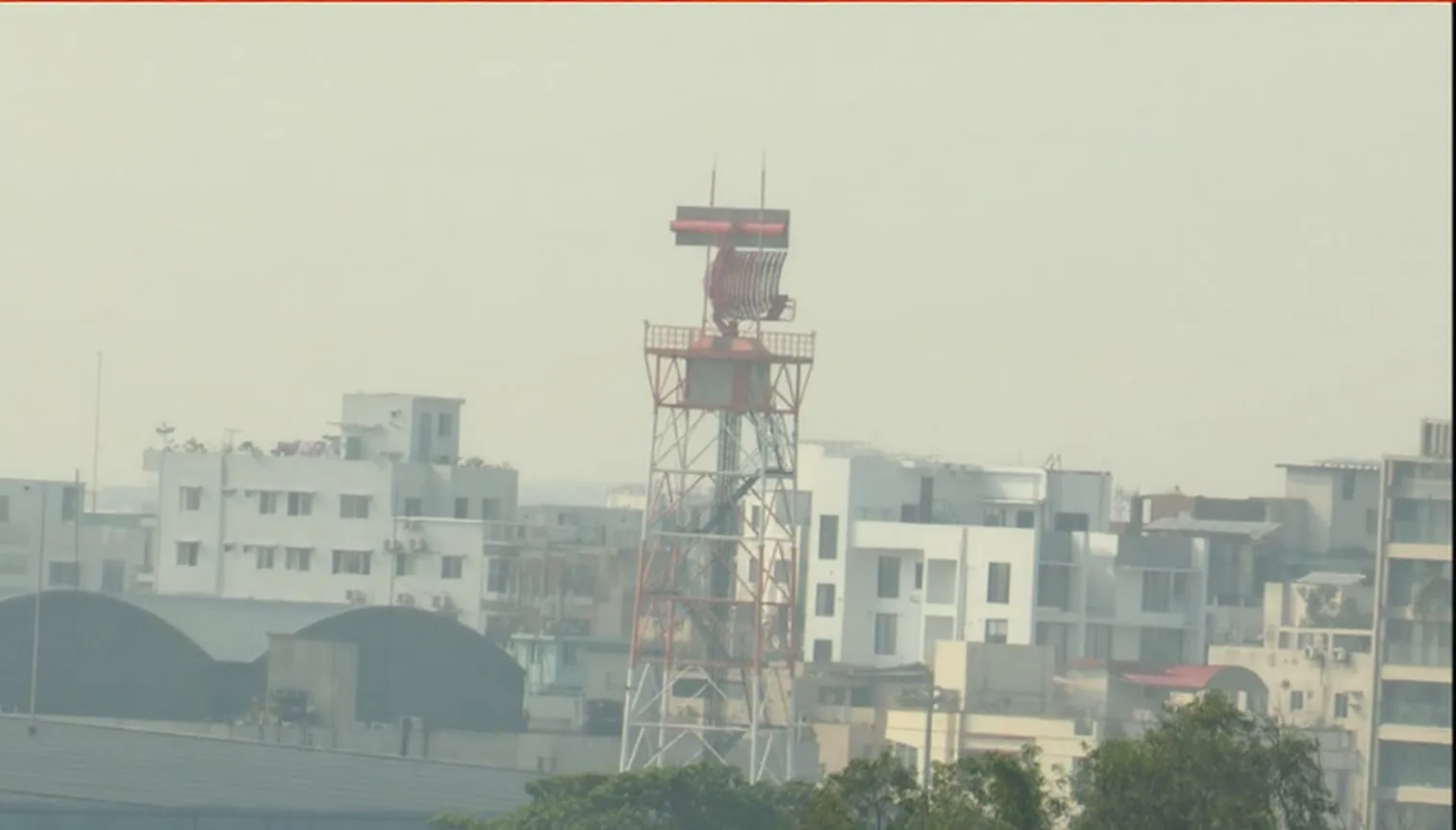
A new radar system has been installed in Dhaka. From now on, fees must be paid upon entering Bangladesh’s airspace—a system that was previously unfeasible due to technical limitations and indirect control. Having overcome these issues, the country now exercises full control over its own airspace.
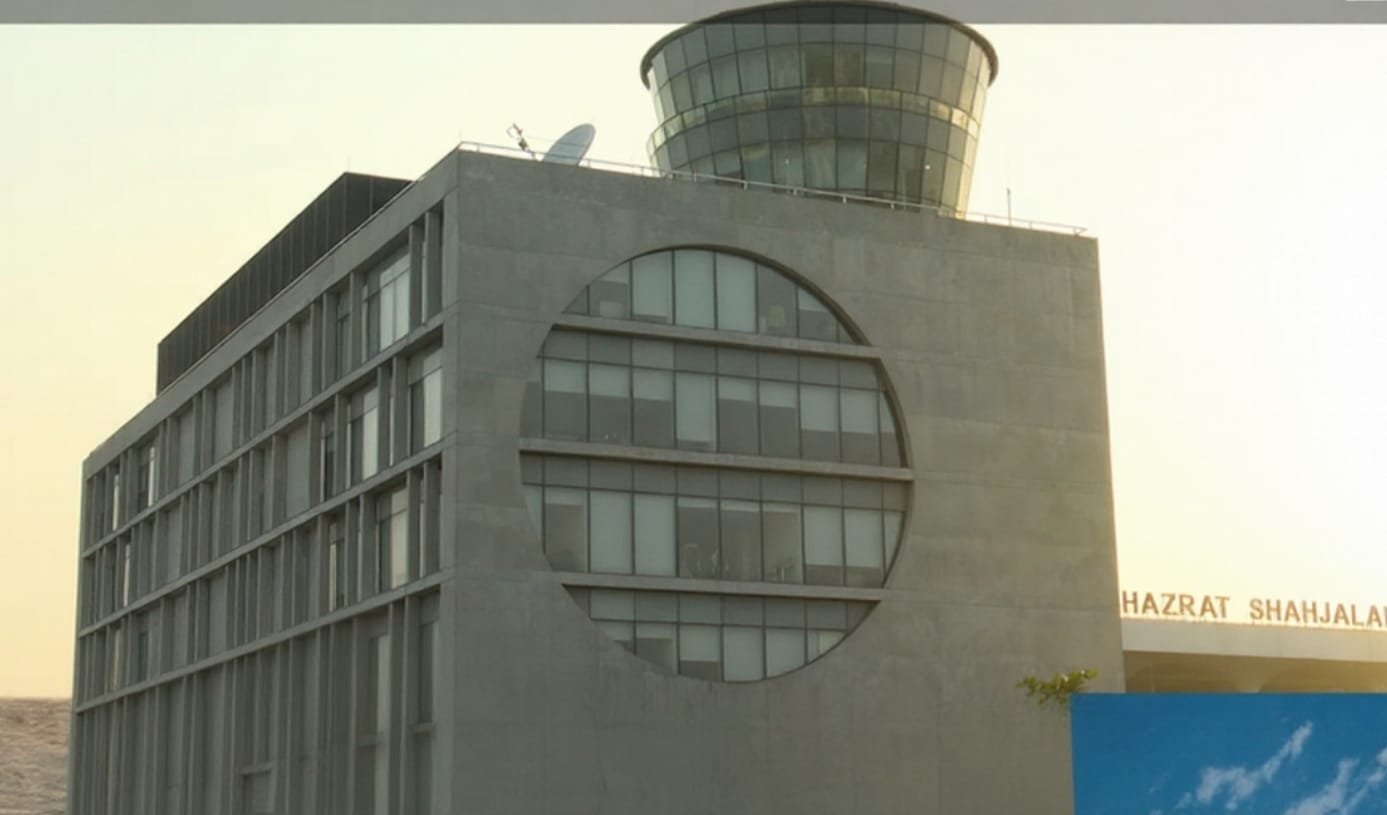
The landscape of the country’s aviation sector has shifted dramatically following the inauguration of the state-of-the-art Air Traffic Control (ATC) tower and a comprehensive radar system at Hazrat Shahjalal International Airport.
By establishing full control over the airways and moving past the limitations of the old, dilapidated infrastructure, the government has collected approximately BDT 400 crore in overflight charges over the last six months alone.
Industry insiders note that during the tenure of the previous Awami League government, there was a lack of adequate modern technology and effective radar systems. Because a significant portion of the airspace over the Bay of Bengal remained outside effective surveillance, it was often impossible to collect the correct fees or revenue from foreign aircraft traversing the country’s skies. Furthermore, the airspace management system suffered from inherent weaknesses and a reliance on external entities due to inadequate infrastructure.
The scenario began to change once the state-of-the-art Air Traffic Management (ATM) and Communication, Navigation, and Surveillance (CNS) systems were completed. Subsequently, the modern ATC tower and radar system were officially inaugurated in April of this year.
According to data from the Civil Aviation Authority of Bangladesh (CAAB) and the airport’s Executive Director’s office, a surge in overflight revenue has been observed since the introduction of the new technology. In the 2025-26 fiscal year, revenue from overflight fees alone reached a record high of over BDT 805 crore. While revenue exceeded Tk 338 crore during the first half of the year (July–December), earnings surpassed Tk 416 crore in the subsequent six-month period (January–June) alone, once the tower became fully operational. This translates to a steady monthly revenue contribution to the government exchequer averaging between Tk 70 crore and Tk 80 crore.
Aviation experts note that the analog, limited-capacity radar systems used in the country over the past five decades made it difficult to accurately monitor the flight paths of foreign aircraft. Many planes would exploit surveillance gaps to traverse Bangladeshi airspace, resulting in financial losses for the nation.
Implemented on a G2G (government-to-government) basis with the renowned French aviation and defense technology firm ‘Thales’ at a cost of approximately Tk 942 crore, this project has revolutionized the country’s airspace security. Funded entirely by the Civil Aviation Authority of Bangladesh (CAAB), this state-of-the-art system ensures that not a single inch of the country’s airspace remains unmonitored. Any foreign aircraft entering the airspace is automatically detected by the tracking system, ensuring the collection of mandated fees.
Analysts believe that Bangladesh holds immense strategic importance regarding international aviation routes due to its geographical location. By securing full control over its airspace and effectively utilizing modern technology, the revenue generated from this sector has emerged as a new, permanent, and robust source of income for the national economy.