Diplomatic Desk:
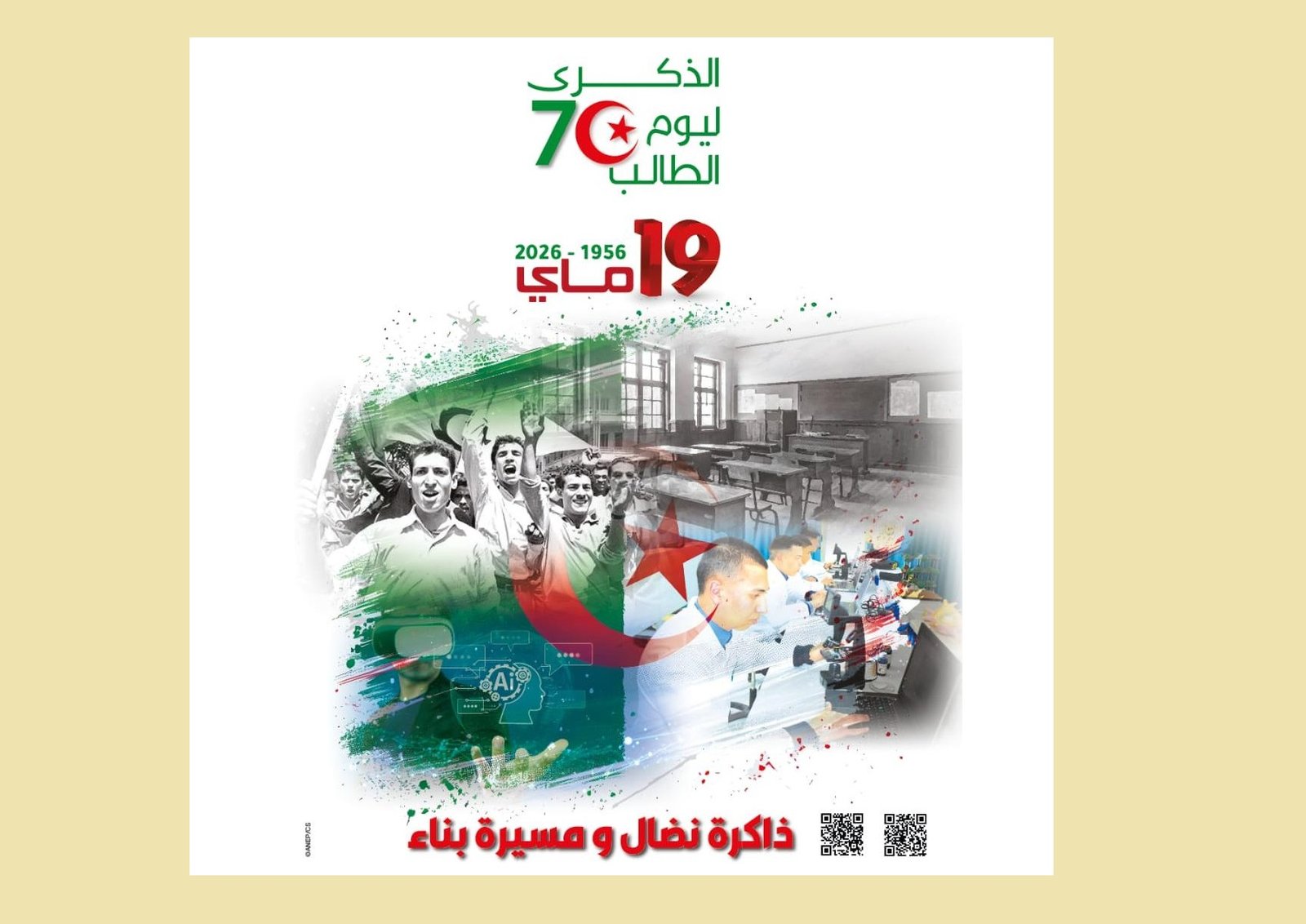
19 May 1956 remains one of the most unforgettable dates in the history of Algeria’s struggle for independence. On this day, hundreds of Algerian students — future doctors, engineers, nurses, teachers, and university scholars from various disciplines — abandoned their studies, examinations, and personal ambitions to join the fight for national liberation. Responding to the call of the National Liberation Front (FLN), they left their university benches behind and entered the battlefield of Algeria’s liberation struggle against French colonial rule.
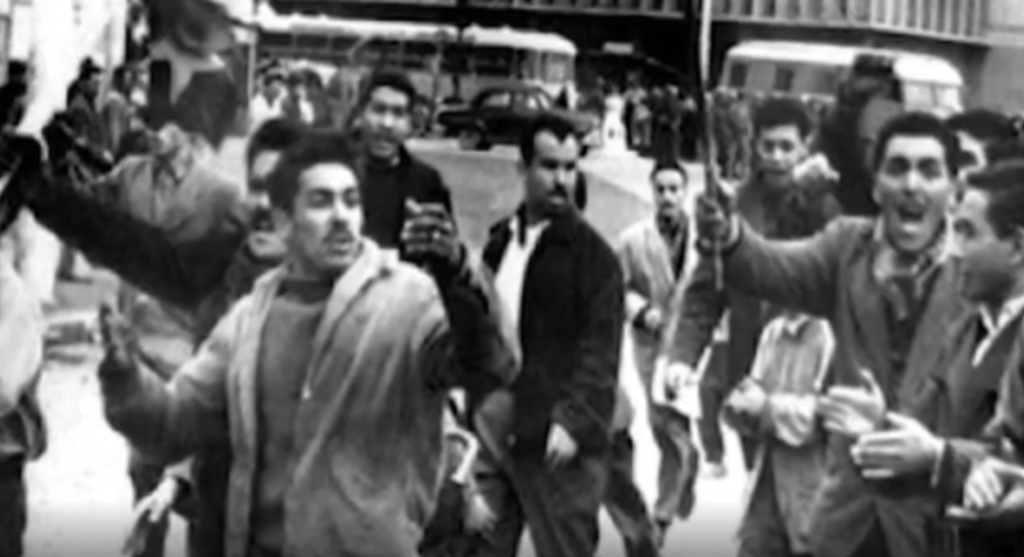
After the outbreak of the Algerian War of Independence on 1 November 1954, France claimed that Algeria’s educated class and intellectuals were not part of the independence movement. In reality, however, French colonial policies had long restricted Algerians’ access to education. By 1956, Muslim Algerian students at the University of Algiers were vastly outnumbered by European students. Yet it was these very young men and women, who had overcome immense barriers to reach higher education, who eventually emerged as leaders of the liberation movement.
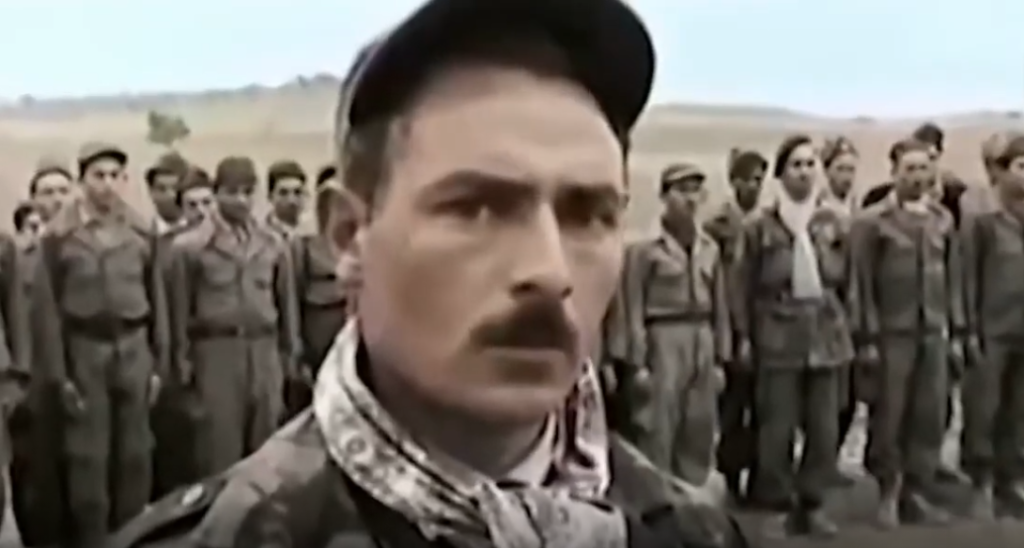
At the beginning of 1956, French repression intensified dramatically. French Prime Minister Guy Mollet deployed more than 400,000 troops to Algeria. Mass arrests, torture, destruction of villages, and widespread repression targeted not only ordinary civilians but also student leaders and educated youth. During this period, student activist Belkacem Zeddour and physician Dr. Benaouda Benzerdjeb, who was linked to the student movement, were killed. These events convinced Algeria’s young generation that neutrality was no longer possible in the face of colonial oppression.
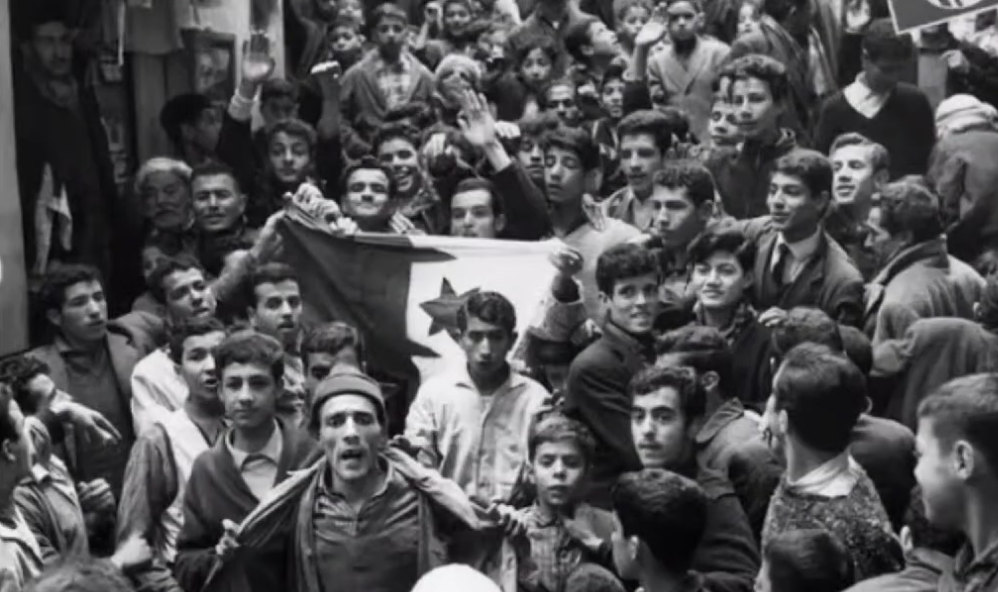
Against this backdrop, the General Union of Algerian Muslim Students (UGEMA), founded in Paris on 8 July 1955, placed the cause of independence at the center of its mission. At its second congress in March 1956, the organization formally declared Algerian independence as its primary objective. Following emergency meetings held in Algiers on 17 and 18 May, UGEMA announced an indefinite boycott of all classes and examinations beginning on 19 May 1956. Its historic appeal declared: “We must desert the university benches for the maquis. The hour is grave. There is no longer any place for neutrality.”
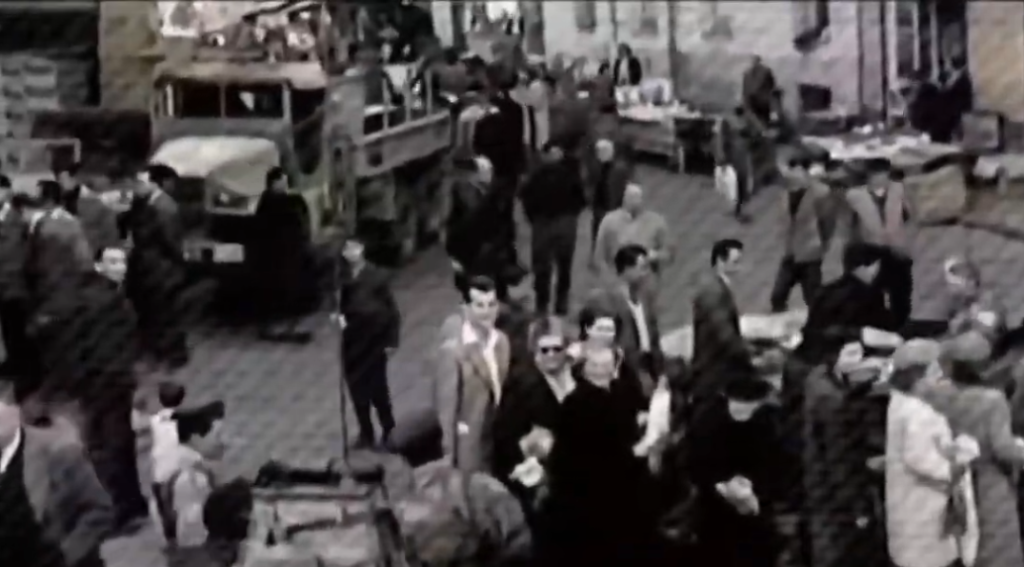
The response was immediate and overwhelming. Algerian students studying both in Algeria and France joined the strike in solidarity. Many directly joined the National Liberation Army (ALN) and took up arms, while others became involved in underground resistance activities, intelligence gathering, and communication networks in urban areas. Medical students established field hospitals in the mountains, pharmacy students managed medicine supplies, and engineering students contributed to logistics and communications. Through their participation, Algeria’s war of independence became not only an armed struggle but also a movement led by an educated and conscious young generation.
France reacted harshly by revoking scholarships and officially dissolving UGEMA in 1958. Nevertheless, the organization re-established itself in exile in Tunis and continued supporting the liberation struggle until Algeria achieved independence on 5 July 1962. After independence, many of those former student activists returned to help build the new nation, serving as teachers, doctors, engineers, diplomats, and government officials.
Following independence, Algeria placed education at the heart of national reconstruction. In 1962, illiteracy rates exceeded 85 percent, and fewer than 3,000 students were enrolled in higher education institutions across the country. Today, Algeria has more than 115 higher education institutions with nearly two million students enrolled. Women’s participation in higher education has also increased significantly, with female students now representing the majority in universities nationwide.
On the occasion of Algerian Day, the historic student movement of 19 May 1956 is being remembered with deep respect and admiration. The bond between the generation that sacrificed everything for independence and the generation that continues to build the nation remains a powerful source of inspiration in Algeria’s national consciousness today.