Desk Report:
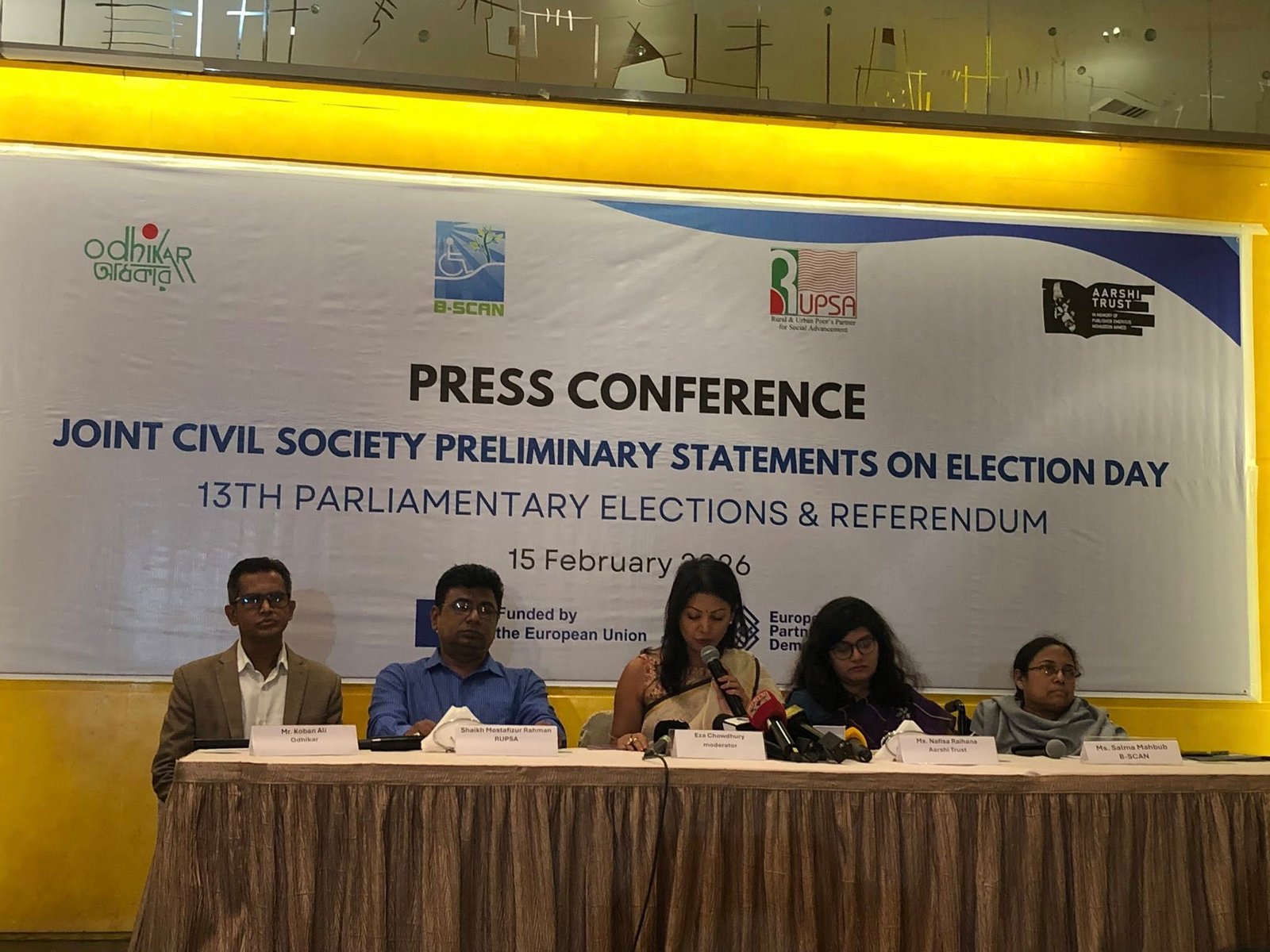
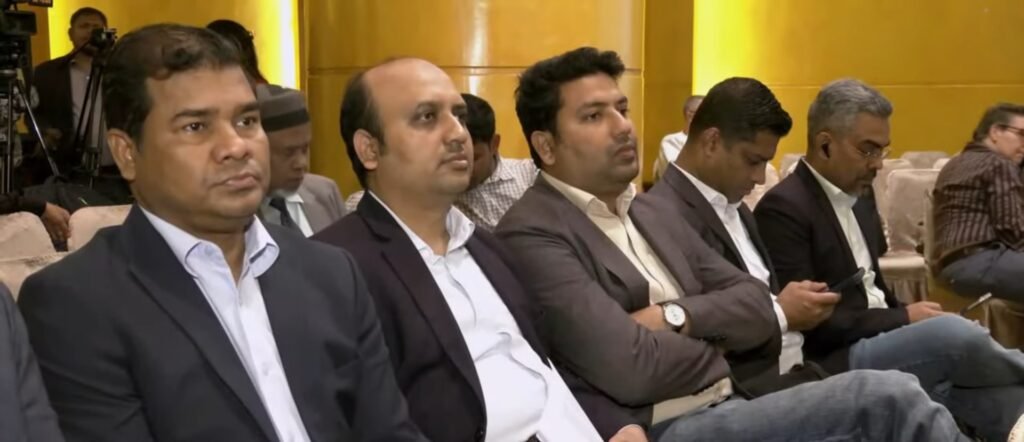
RUPSA (Rural & Urban Poor’s Partner for Social Advancement), an organization working on minority rights and social inclusion, has released a preliminary statement on the election day regarding minority inclusion monitoring on the occasion of the 13th National Parliament Election of 2026. The statement released in Khulna on Sunday (February 15) said that this year’s election is a crucial moment for the democratic future of the country, which is being held in the context of intense political competition and public debate on the credibility, inclusiveness and peaceful environment of the election.
RUPSA said that various ethnic, religious, linguistic and other minority communities in Bangladesh have historically faced various obstacles to full and effective electoral participation. Discrimination, limited access to information, security concerns and fears of post-election retaliation are among these obstacles. In this context, the organization has mentioned ensuring free and safe participation of minority communities as an important criterion for the inclusiveness and integrity of the electoral process.
On election day, RUPSA deployed 200 trained citizen observers in 25 parliamentary constituencies in six divisions—Barisal, Mymensingh, Rajshahi, Sylhet, Khulna and Chittagong. They observed the opening, voting, closing and counting of the polls. The organization claims that its activities were conducted completely independently and non-partisanly and the code of conduct for election observers was followed. Data was systematically collected from a total of 509 minority-dominated polling stations, including 100 during the opening phase, 409 during the voting phase and 179 during the closing and counting phases.
During the pre-election period, RUPSA organized discussion meetings with more than 500 participants in 25 constituencies in the six divisions. Representatives of religious minorities, Dalit communities, small ethnic groups, tea workers, gender-diverse voters and minority women shared their experiences and concerns. The discussions raised allegations of structural and administrative barriers, intimidation, undue influence and vote buying. In particular, pressure from employers or local influential people was important for economically dependent groups. In addition, political pressure related to land, caste-based discrimination, document inconsistencies and complications related to voter registration were also discussed.
Observations of the opening phase showed that the process in most polling stations was conducted in accordance with the electoral rules. Almost all stations opened on time, necessary materials were present and empty ballot boxes were properly displayed and sealed. Access for observers and party agents was ensured in most stations and voter information was clearly displayed. Although minor procedural shortcomings were observed in some centers, the report noted that the opening phase was overall transparent and orderly.
Analysis of data from 409 minority-dominated polling stations during the voting phase showed that most minority voters were able to vote without hindrance and the secrecy of the ballot was maintained. Minority women were also able to vote in a relatively safe environment. However, in some areas, there were complaints of intimidation around polling stations, restrictions on movement, uneven queue management, and in some cases, discriminatory behavior by election officials. Observers also noted a lack of impartiality in providing voter assistance in some centers. While the presence of security forces was considered protective in most cases, there were reports of over-deployment and tension in some parliamentary constituencies.
During the observation of the closing and counting phase, Rupsha said that most centers completed the closing and counting activities as per the rules. However, in some cases, there were complaints of voters present at the polling stations not being allowed to vote, access to observers or party representatives was restricted during counting, and inconsistent decisions were made in canceling ballots. In addition, a total of 14 incidents were recorded, including administrative irregularities, violence and intimidation, which affected various minority groups, the report said.
Rupsha believes that although the overall picture of election day was relatively orderly and peaceful in minority-dominated areas, more effective measures are needed to ensure equality, non-discrimination and universal suffrage in line with international democratic standards. The organization calls on the Election Commission and relevant authorities to consistently implement rules during the closing and counting stages, allow free access for observers and party representatives, prevent intimidation, strengthen anti-discrimination training, and develop incident reporting and rapid response mechanisms.
As a next step, Rupsha said that around 25 focus group discussions will be organized with minority communities in March-April. These discussions will analyze post-election experiences, possible exclusion, fear of intimidation or reprisals, and social and structural factors that have affected voter participation. The organization said it will publish a final report based on pre-election and post-election information and election day observations.