Desk Report:
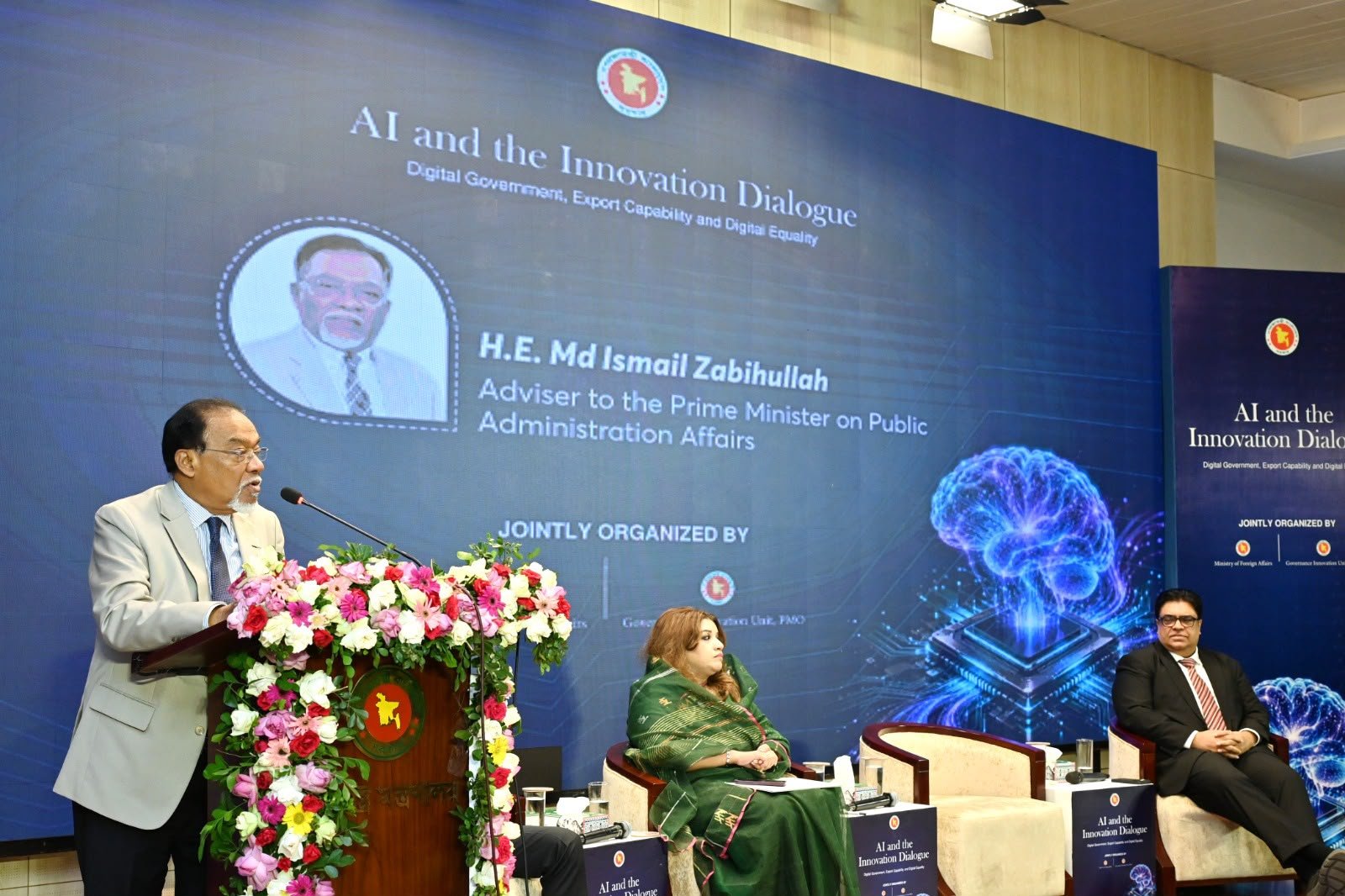
Md. Ismail Zabiullah—Adviser to the Prime Minister on Public Administration, Head of the Governance Innovation Unit (GIU) at the Prime Minister’s Office, and member of the BNP National Standing Committee—remarked that to transform Bangladesh into a trillion-dollar economy by 2034, the country must evolve beyond being a mere user of technology to become an innovator and exporter of it.
The Adviser placed special emphasis on export diversification, the development of information technology, attracting foreign investment, and expanding the reach of domestic entrepreneurs into the global market. He stated that alongside ready-made garments and remittances, high-value technology and service sectors must be developed as major sources of foreign currency earnings.
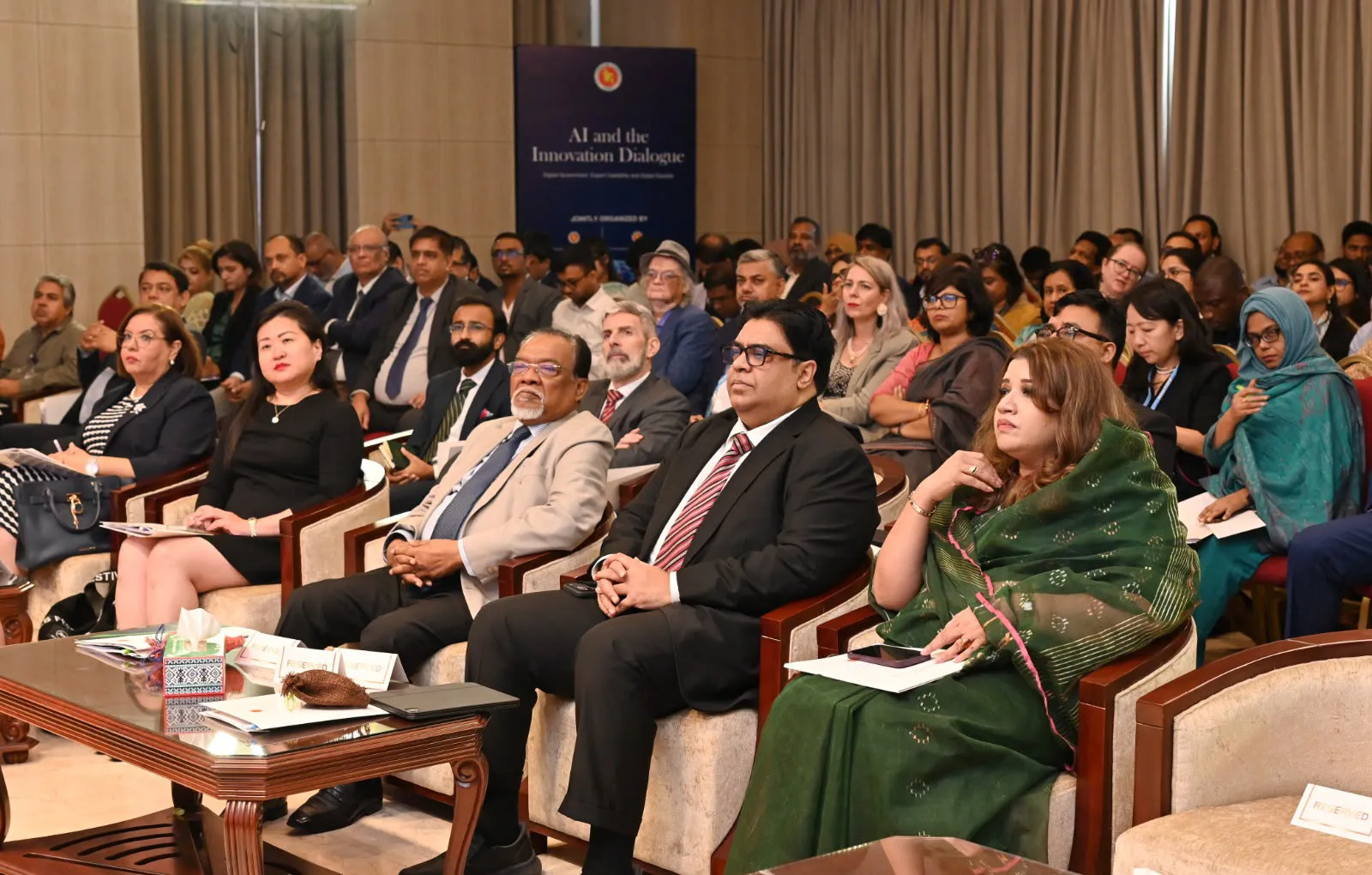
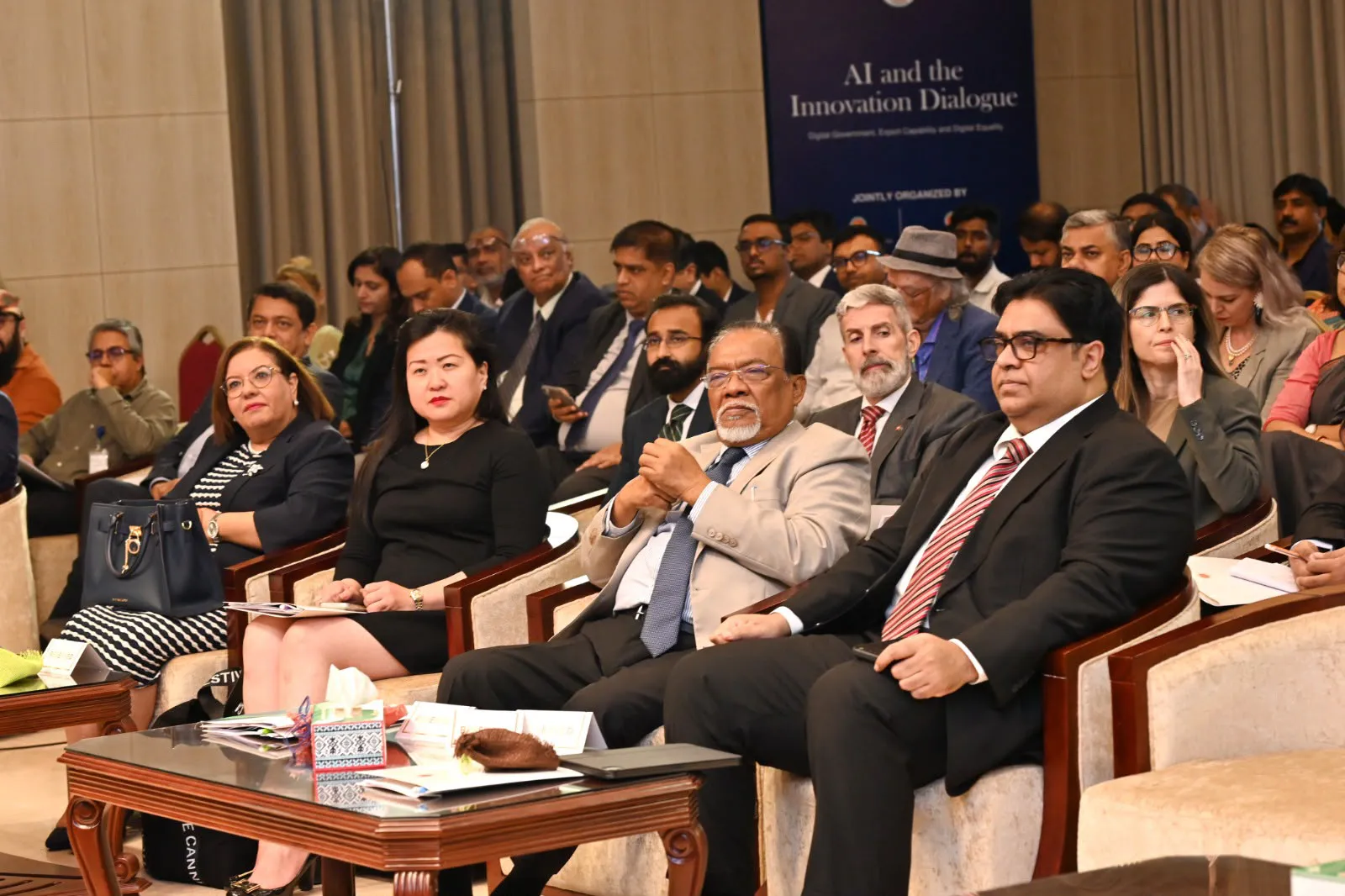
He made these remarks on Thursday (October 8, 2026) while speaking as the chief guest at a dialogue titled “AI and Innovation,” jointly organized by the Governance Innovation Unit (GIU) of the Prime Minister’s Office and the Ministry of Foreign Affairs at the Ministry’s Ambassador Ferdous Shahriar Auditorium.
The Public Administration Adviser noted that in the 2024-25 fiscal year, Bangladesh exported goods worth approximately US$44 billion, with nearly 90 percent coming from the ready-made garment sector. During the same period, expatriate Bangladeshis sent remittances totaling approximately $30.3 billion. While ready-made garments and remittances are major strengths of the Bangladeshi economy, an over-reliance on a limited number of sources could pose long-term risks. He pointed out that international inflation, geopolitical shifts, or other crises could impact Bangladesh’s economy; therefore, sources of foreign currency earnings must be diversified immediately. Highlighting the potential of the Artificial Intelligence (AI) and technology sectors, he stated, “We must not view AI merely as a tool to expedite government operations. AI, software, outsourcing, and technology-driven services have the potential to become major revenue-generating sectors—worth billions of dollars—for Bangladesh.” He noted that despite its small size, Israel has established thousands of technology companies and a robust tech industry; similarly, by leveraging its vast, talented youth population, Bangladesh can build a thriving technology-driven industrial sector.
Referring to a recent visit by a high-level Bangladeshi delegation to Silicon Valley, Md. Ismail Zabiullah mentioned that global tech giants like Apple, Meta, and Nvidia have shown interest in Bangladesh. He added that Anthropic has also responded positively regarding potential operations in the country.
Emphasizing the need to make the Ministry of Foreign Affairs’ International Trade and Investment Wing more effective, he stated that Bangladesh’s commercial wings abroad must not limit themselves to merely performing routine formalities. Instead, these wings need to establish direct connections with new entrepreneurs, investors, technology firms, and buyers.
The Adviser on Public Administration said, “Our goal is not merely to be consumers of technology, but to become creators, owners, and exporters of it.” Urging domestic firms to develop effective AI-based solutions for government services, digital identity, agriculture, healthcare, and education, he noted that such locally developed technologies could also be exported to international markets. He also stressed the importance of building hardware manufacturing capabilities by leveraging the country’s large domestic market, highlighting the need to reduce reliance on imports for technology products—such as computers and laptops—and to boost local production.
He asserted that discussions on AI should not be confined to seminars or dialogues alone. A practical and integrated national action plan must be adopted swiftly through the collaboration of universities, the business community, and government institutions. The event was attended by State Minister for Foreign Affairs-1 Humayun Kabir, State Minister for Foreign Affairs-2 Shama Obaid Islam, Prime Minister’s Advisor Rehan Asif Asad, high-ranking officials from various embassies, representatives of development partner organizations, academicians, senior officials from the Prime Minister’s Office and the Ministries of ICT, Science and Technology, and Foreign Affairs, IT experts, business leaders, and representatives from various media outlets.