
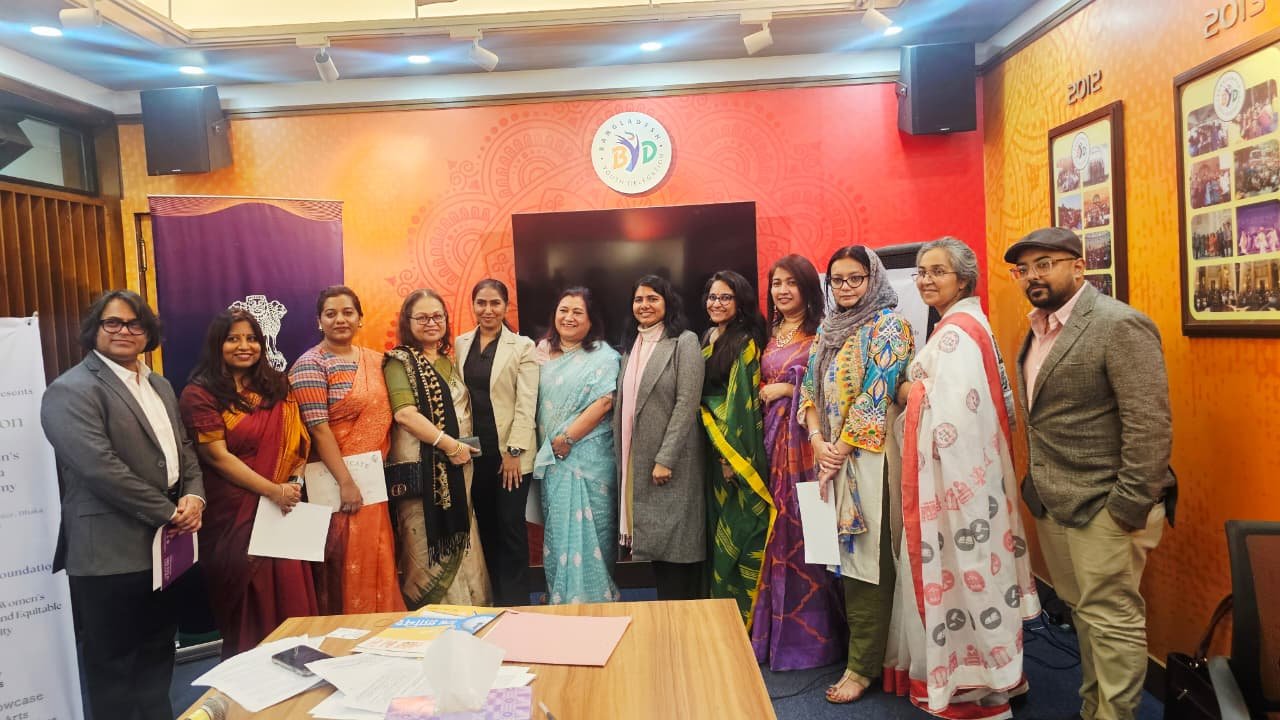
HerNet Foundation and HerNet TV, in partnership with the Indira Gandhi Cultural Centre (IGCC), the cultural wing of the High Commission of India in Dhaka, organized a high-profile panel discussion titled “Breaking the Barriers: Pathways to Women’s Formal Employment in a Changing Economy” at the IGCC auditorium. The event brought together policymakers, corporate leaders, academics, development practitioners, and mental health and social sector experts to explore practical reforms for expanding women’s access to formal, secure, and equitable employment.
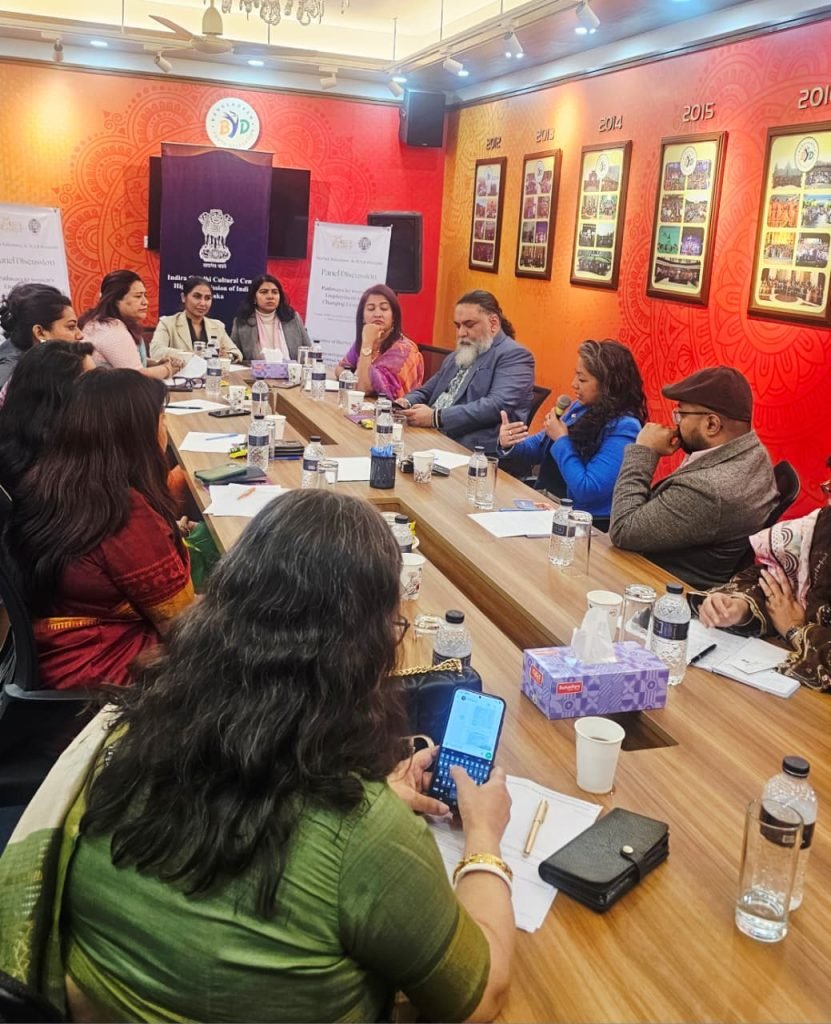
The session was moderated by Alisha Pradhan, Secretary General of HerNet Foundation and CEO of HerNet TV, who opened by highlighting Bangladesh’s historic victory of 16 December and framing women’s economic participation as central to the country’s next phase of inclusive growth. Citing recent labour-force data, she noted the decline in female participation and the shrinking share of women in the ready-made garment (RMG) sector, describing it as “a structural warning sign and a moral challenge” requiring urgent action from both public and private sectors.
On behalf of IGCC, Ms. Ann Mary, Director of ICCR in Dhaka, welcomed the participants and reaffirmed the center’s commitment to fostering platforms linking culture, democracy, and inclusive development.
The panel featured a diverse group of leaders from climate, gender, business, academia, mental health, fashion, media, and civil society, including Rupali Chowdhury (Berger Paints), Valentina Spinedi (UNICEF), Humaira Aziz (UNICEF), Prof. Sadia Mahjabin (ULAB), Tasnuva Ahmed (Celestial Tech), Prof. Rafiqul Islam (Jagannath University), Nazim Farhan Choudhury (ADCOM), A. Mashroor Huda (Tronix), Tootli Rahman (Heritage Palli NGO), Ms. Tawhida Shiropa (Moner Bondhu), Priti Chakraborty (Bangladesh Chamber of Industries), Supa Barua (Terre des Hommes Netherlands), Adv. Masuma Akter (Fashion Designer), Ms. Sharin Naomi, and Azmeeri Rezaq (Shajgoj). Students from ULAB also participated, reinforcing the focus on women’s empowerment.
Panelists examined structural and social barriers preventing women from accessing formal work, including unpaid care responsibilities, unsafe transport, childcare gaps, harassment, lack of enforceable contracts, and limited access to finance, skills, and professional networks. Discussions focused on sector-specific constraints (RMG, BPO, retail, health and care work), childcare and transport solutions, flexible work, enforceable contracts in SMEs, gender-responsive financial products, skills-to-placement pathways, and public procurement policies that promote gender inclusion.
Corporate Perspective: Rupali Chowdhury’s Insights
Rupali Chowdhury, Chairman & CEO of Berger Paints, stressed that women’s formal employment must be a core business priority. She emphasized inclusive workplaces as strategic investments, leadership-level accountability for safe and equitable policies, and building career pipelines from entry-level to leadership roles. She highlighted that normalizing women’s leadership and integrating gender metrics into corporate performance is essential for Bangladesh’s transition from a low-wage to a skills- and innovation-driven economy.
Throughout the discussion, panelists underscored that women’s economic empowerment is not only a human rights imperative but also vital for productivity, export competitiveness, and long-term business and national resilience.
In her closing remarks, Alisha Pradhan urged all sectors—diplomats, business leaders, academics, advocates, and development partners—to translate the dialogue into concrete institutional commitments with measurable benchmarks and transparent progress tracking. She stressed that Bangladesh’s development will be judged not only by GDP but by “the dignity, opportunity and agency afforded to every citizen, regardless of gender.”
The event concluded with panelists sharing commitments, a networking session, and the distribution of digital certificates. HerNet Foundation also pledged to produce a concise policy brief summarizing key recommendations and next steps to support ongoing advocacy for women’s formal employment in Bangladesh.


