Desk Report:
Finance Minister Amir Khasru Mahmud Chowdhury has stated that the government intends to establish the creative industries as a mainstream economic force and a form of ‘soft power.’ By integrating arts and culture—including rural handicrafts, music, film, and theater—into mainstream economic activities, the government aims to transform this sector into a key driver of GDP growth and a manifestation of Bangladesh’s ‘soft power’ (cultural influence) on the global stage.
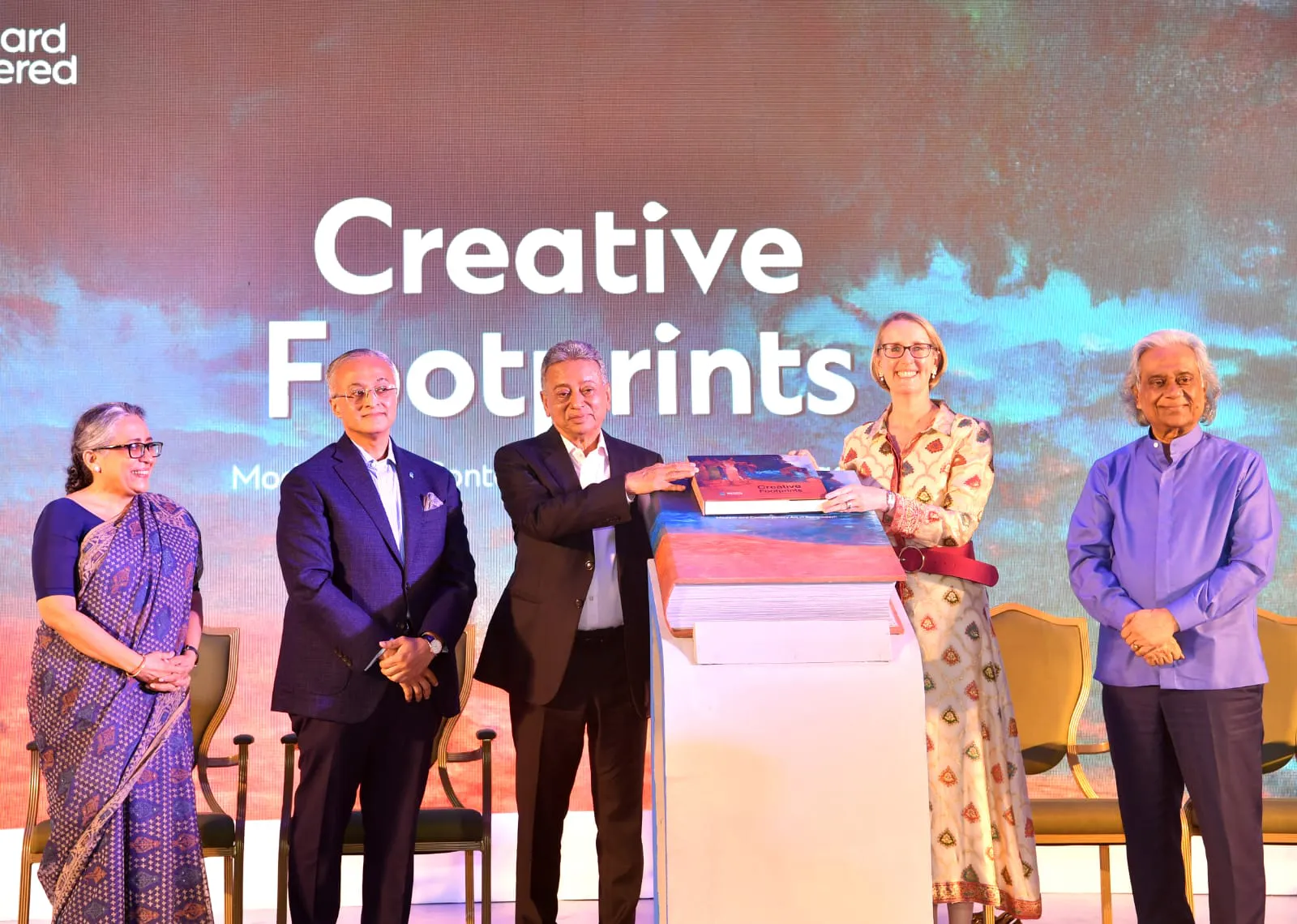
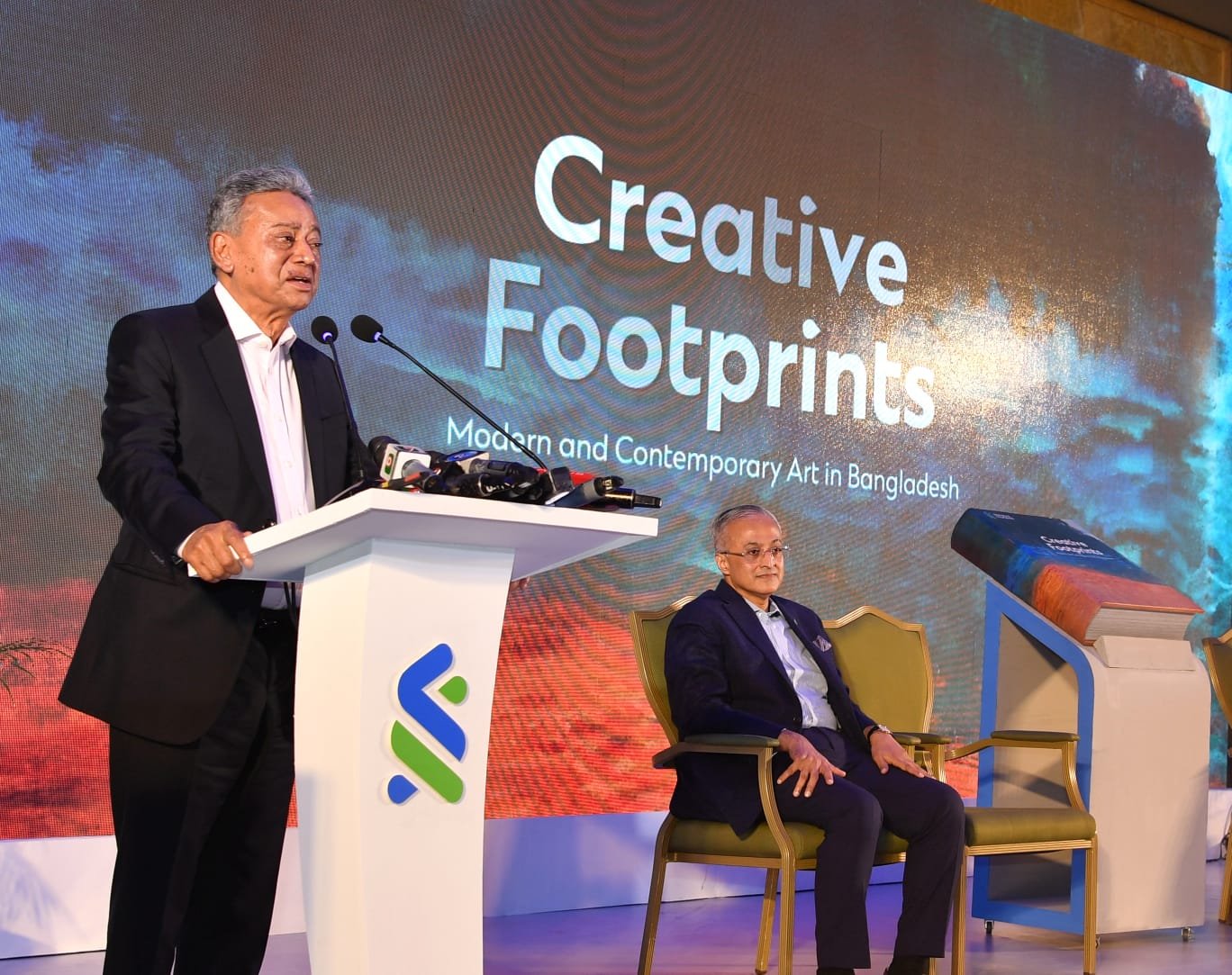
He made these remarks while serving as the chief guest at the launch event for the book Creative Footprints—an initiative jointly organized by Standard Chartered Bank and the Bengal Foundation—held on Saturday (October 24, 2026) at Hotel Sheraton, Banani, in the capital.
The Finance Minister noted that, under traditional economic paradigms, arts and culture were often relegated to the periphery of economic activity. The current government has moved beyond this perspective, deciding to incorporate the ‘creative economy’ as a new pillar for the nation’s economic aspirations and growth.
He emphasized that the government cannot achieve this alone. Consequently, the sector will be advanced through strong partnerships with the private sector and NGOs, alongside appropriate policy frameworks and funding. The government has already allocated the necessary resources in the national budget, and the private sector is also stepping forward with significant financial contributions.
Outlining the government’s strategy for the creative sector, the Finance Minister explained that, in addition to financial assistance, the government will provide support for skill development, design, and branding. Furthermore, it will facilitate access to international e-commerce platforms—such as Amazon, eBay, and Alibaba—to help market the work of local artisans, artists, and cultural practitioners. This will ensure that the products created by marginalized artists and craftspeople are properly valued and monetized, ultimately improving their standard of living, generating employment, and contributing to the nation’s foreign currency earnings. Emphasizing the importance of cultural elements in showcasing Bangladesh on the global stage, the Finance Minister stated that this goes beyond mere art, crafts, or commerce; it serves as a form of ‘soft power’ for Bangladesh. The goal is to strengthen the nation’s position internationally through music, theatre, cinema, and handicrafts.
The Finance Minister thanked the organizers—Standard Chartered and the Bengal Foundation—for this commendable initiative. He expressed optimism that a cultural and economic revolution could be achieved in the country through the collaborative efforts of the public and private sectors.
Sarah Cooke, the British High Commissioner to Bangladesh, attended the event as a special guest. Other notable attendees included Abul Khair Litu, Chairman of the Bengal Foundation, and Enamul Haque, Chief Executive Officer of Standard Chartered Bank.