Desk Report:
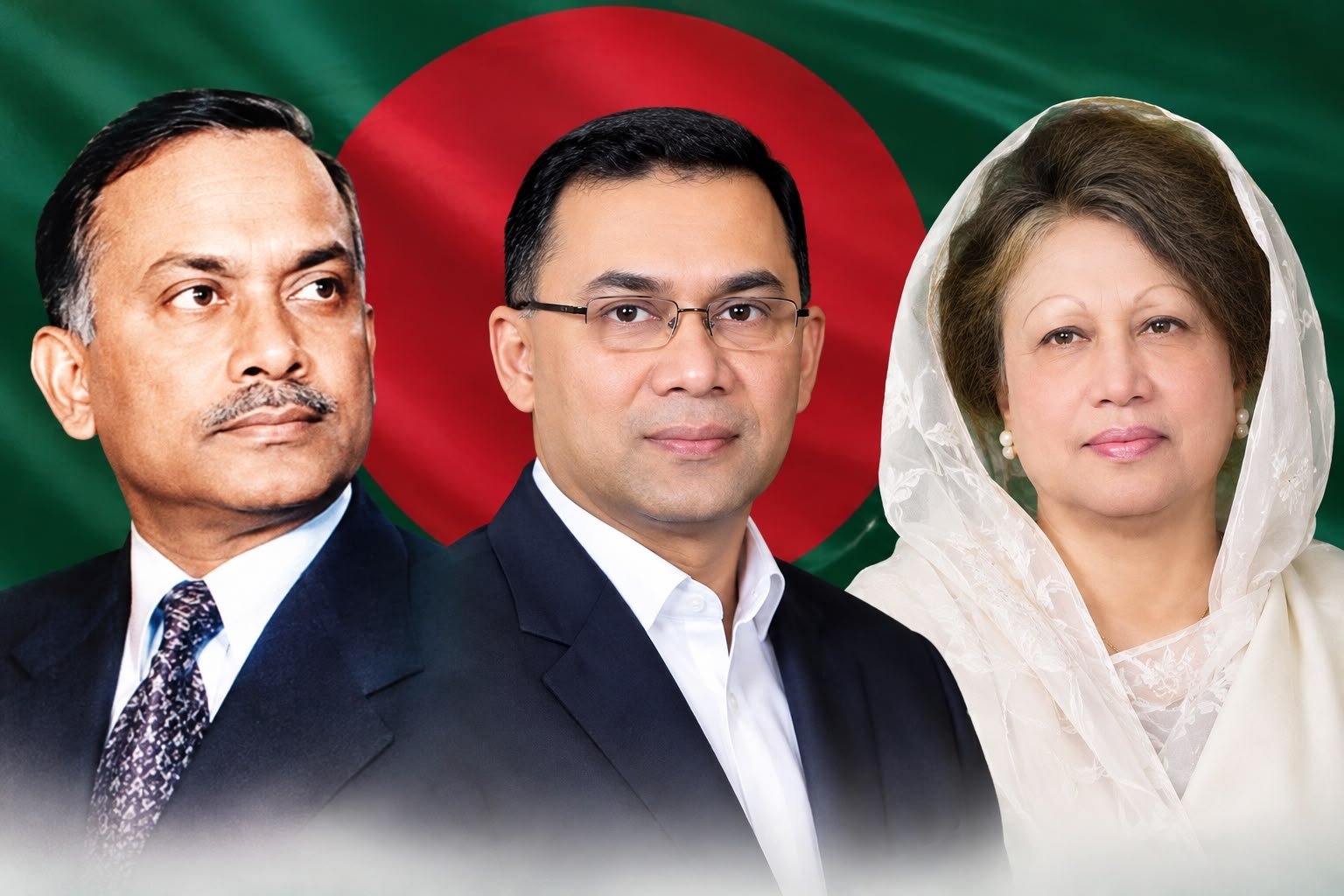
The relationship between Bangladesh and Japan is long-standing, time-tested, and robust. Japan’s development cooperation in this South Asian nation is extensive—a foundation originally laid by the late President Ziaur Rahman. Subsequently, former Prime Minister Begum Khaleda Zia elevated this relationship to unprecedented heights.
Continuing this historical trajectory, the upcoming visit to Japan by Prime Minister Tareque Rahman—successor to the late President Zia and Begum Khaleda Zia—is expected to further strengthen the economic partnership between the two nations.
Tokyo is optimistic that this upcoming official visit by Prime Minister Tareque Rahman will invigorate bilateral economic cooperation, spur new investments, and bolster business confidence. Japan, in particular, is placing the highest priority on fostering a favorable investment climate and advancing infrastructure development in Bangladesh.
At the invitation of Japanese Prime Minister Sanae Takaichi, Prime Minister Tareque Rahman will pay an official visit to Japan from October 26 to 29. The two governments formally announced the visit on October 20.
On the second day of the visit, October 27, the Prime Minister will hold high-level bilateral talks with Prime Minister Sanae Takaichi at the Prime Minister’s Office in Tokyo. Foreign Secretary Asad Alam Siam stated at a press briefing at the Ministry of Foreign Affairs that the Japanese Prime Minister will host a luncheon in honor of the Prime Minister of Bangladesh.
This will mark Tareque Rahman’s first visit to Japan in his capacity as Prime Minister. In response to an inquiry from BSS, the Economic Division of the Japanese Embassy in Dhaka noted that this visit would add a new dimension to the strategic partnership between the two countries. Japan believes the visit will prove highly productive in achieving shared goals of regional peace, security, and mutual prosperity.
Regarding economic cooperation, the Japanese Embassy highlighted that the business-friendly policies of the new government have significantly boosted the confidence of foreign investors in Bangladesh. Tokyo is placing special emphasis on improving the investment climate, expanding infrastructure, and developing human resources. During the visit, the Prime Minister will deliver a keynote address at the ‘Japan-Bangladesh Economic Forum.’ She will also hold discussions with prominent Japanese business leaders regarding investment opportunities and the expansion of trade.
Her tentative itinerary includes significant meetings with representatives from the Japan-Bangladesh Parliamentary Friendship League and the Japan-Bangladesh Committee for Commercial and Economic Cooperation.
Additionally, the Prime Minister is scheduled to meet with top officials from JICA, JETRO, and JBIC, as well as the Chairman of the Sasakawa Peace Foundation.
It is worth noting that the Zia family shares a long-standing historical connection with Japan. In April 1978, the late President Ziaur Rahman visited Japan and met with Emperor Hirohito on April 8. Following that historic visit, he returned to Japan in July 1980 to attend the funeral of the then-Japanese Prime Minister, Masayoshi Ohira. Later, during Begum Khaleda Zia’s tenure as Prime Minister, her visit to Japan laid the initial groundwork for major national projects, including the Padma Bridge and the Metro Rail.
The visit’s agenda includes tours of an LNG terminal and a power plant in Futtsu City (Chiba Prefecture), the Uniqlo headquarters, and a modern Toyota manufacturing facility in Nagoya.
Discussions are expected to cover the effective implementation of the Economic Partnership Agreement (EPA) between Bangladesh and Japan—signed in February of this year—as well as strategies to enhance market access for Bangladeshi products in Japan. According to the Foreign Secretary, several Memorandums of Understanding (MoUs) may be signed across various sectors, including agriculture, fisheries, human resource development, civil aviation, trade, environmental conservation, and the modernization of local government systems.
Beyond bilateral economic matters, the two nations may also reach a consensus on collaborating to maintain regional and international peace, seeking a permanent resolution to the Rohingya crisis, and addressing the global energy crisis. Overall, analysts believe that this visit by Prime Minister Tarique Rahman will play a significant role in removing business barriers between the two countries and establishing mutual trust on a solid foundation.