Diplomatic Desk:
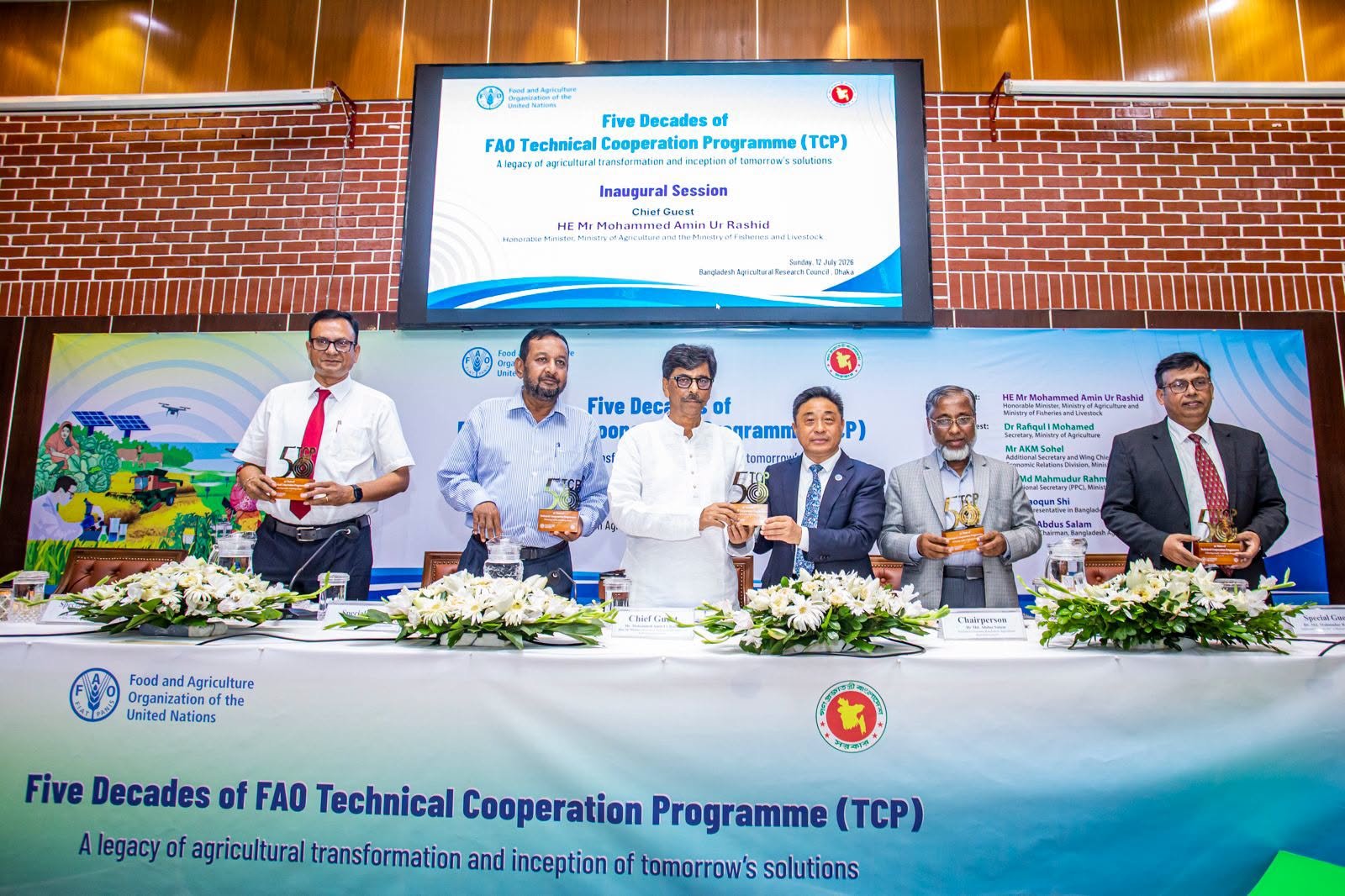
The Government of Bangladesh and the Food and Agriculture Organization of the United Nations (FAO) jointly celebrated the 50th anniversary of FAO’s Technical Cooperation Programme (TCP). For five decades, FAO has been making significant contributions to improving the quality of life of Bangladesh’s agriculture, fisheries, livestock and rural communities through this programme.
One of the highlights of the event was the launch of five new initiatives implemented with FAO’s support, which will further accelerate the sustainable transformation of Bangladesh’s agriculture and food systems (Agrifood Systems). Over the past 50 years, TCP has played a significant role in enhancing the country’s institutional capacity, formulating evidence-based policies, disseminating innovative technologies and building climate-resilient agricultural systems.
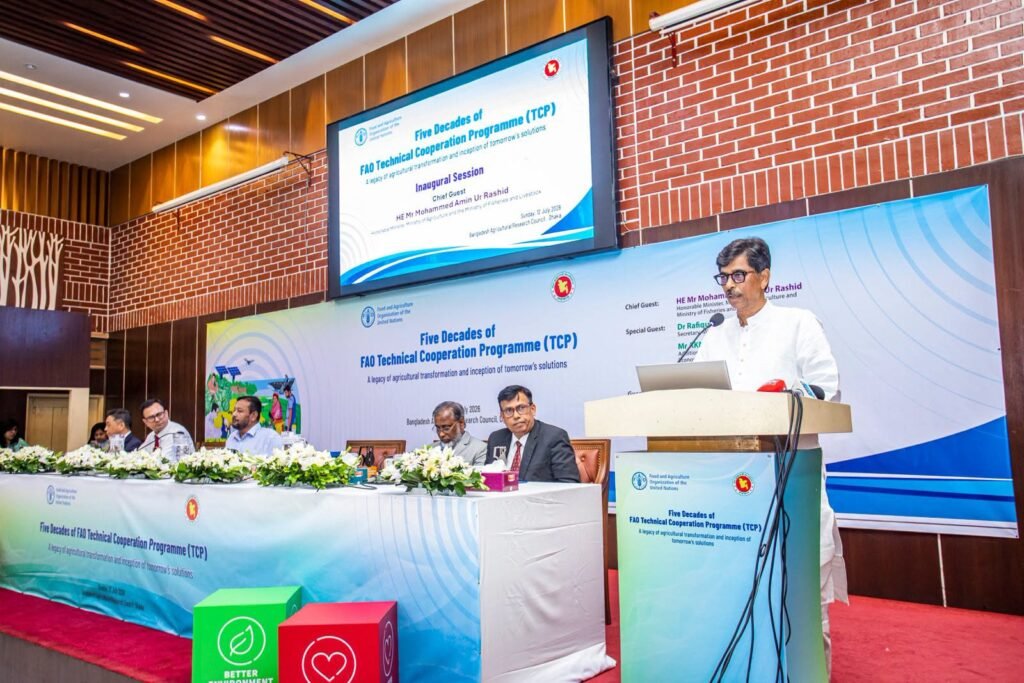
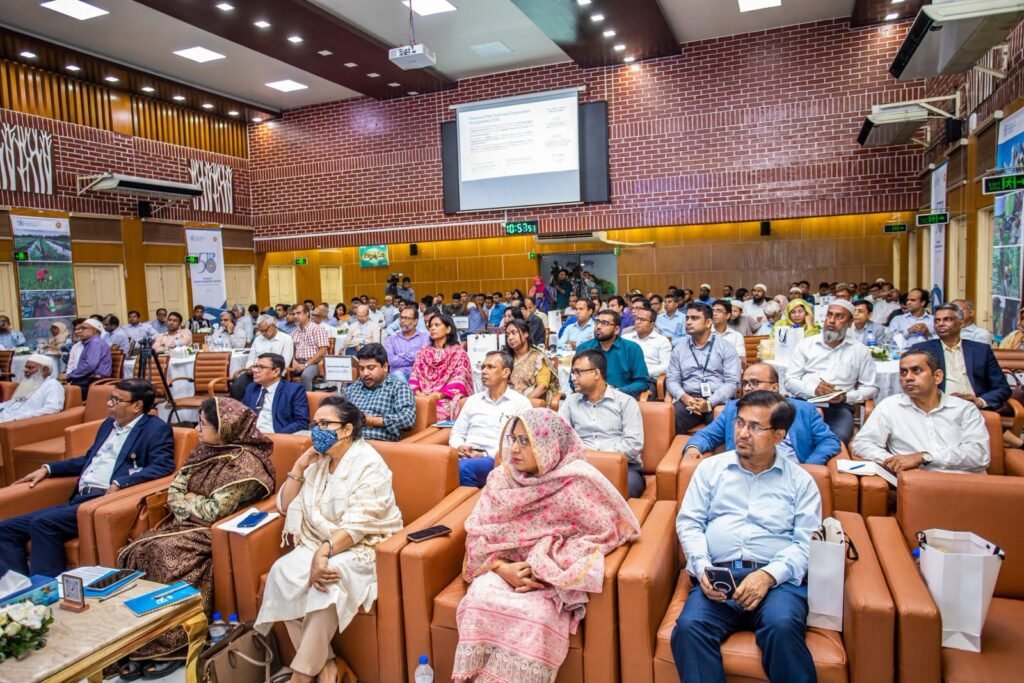
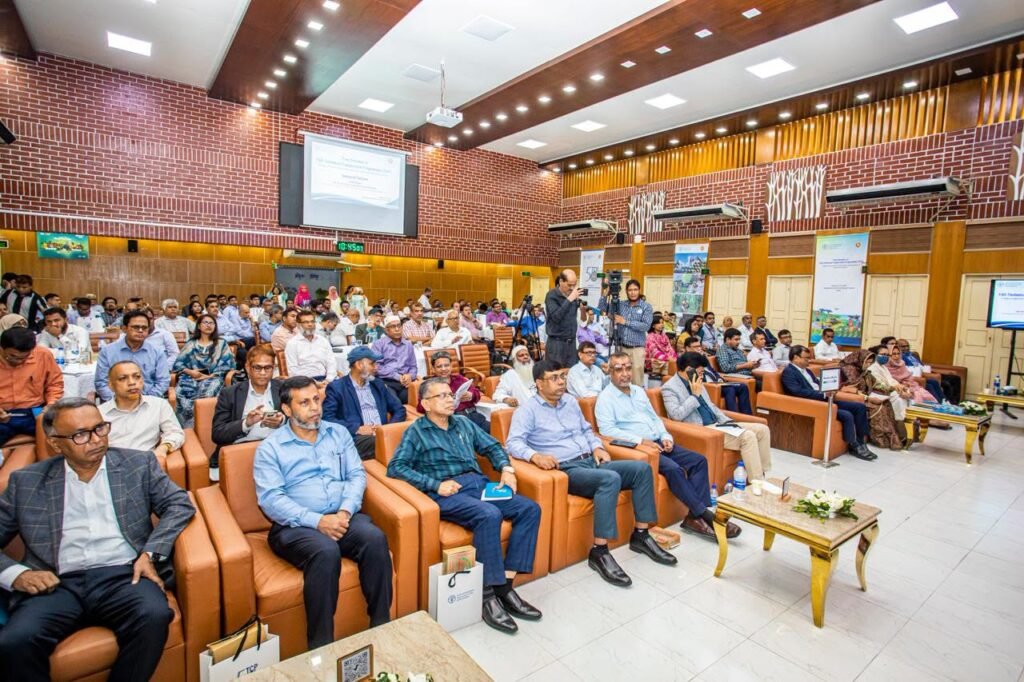
Mohammad Amin Ur Rashid, Honorable Advisor to the Ministry of Agriculture and the Ministry of Fisheries and Livestock, was present as the chief guest at the event. Dr., Secretary, Ministry of Agriculture, was present as the special guest. Rafiqul I. Mohammad, Additional Secretary, Economic Relations Division (ERD) and Head of UN Wing, Ministry of Finance AKM Sohel, and Additional Secretary (PPC), Ministry of Agriculture Dr. Md. Mahmudur Rahman.
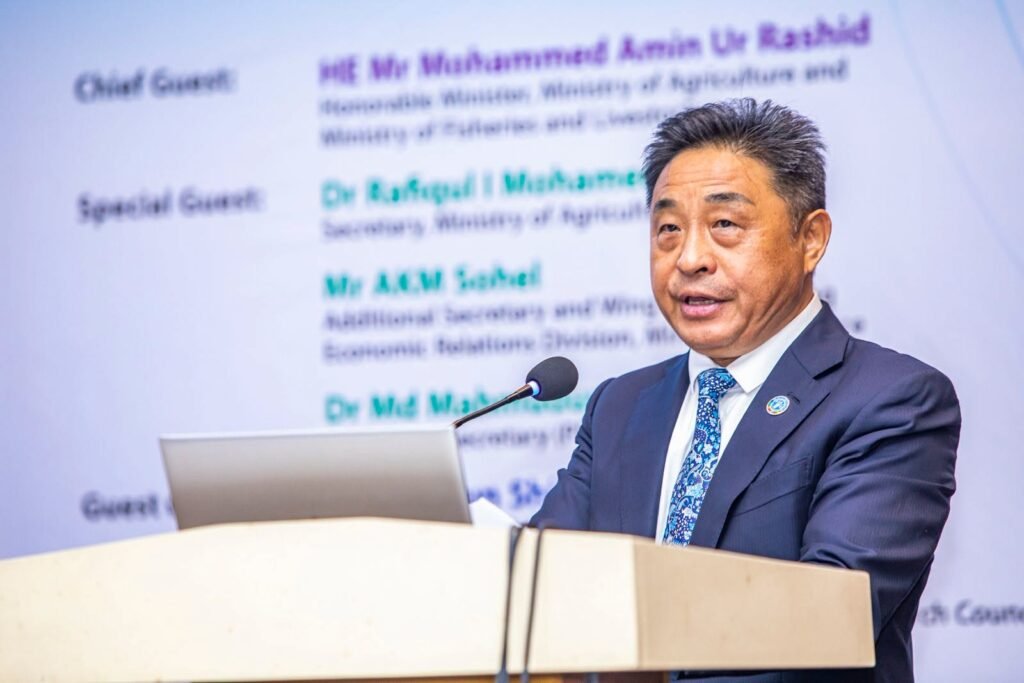
The event was presided over by Executive Chairman, Bangladesh Agricultural Research Council (BARC) Dr. Md. Abdus Salam. FAO Representative in Bangladesh Jiaoqun Shi was present as the guest of honor.
In addition, senior officials of various ministries, leaders of farmers’ organizations, representatives of development partner agencies, members of civil society and media representatives participated in the event.
The speakers at the event said that in the last 50 years, the partnership between Bangladesh and FAO has played a significant role in increasing the country’s agricultural production, ensuring food security, agricultural research and innovation, sustainable management of natural resources and combating the effects of climate change. The implementation of five new initiatives will further strengthen the efforts to make the country’s agriculture and food system more modern, inclusive, tolerant and sustainable.