Desk Report:
The process of reopening the country’s closed jute mills is underway. If the mills reopen, employment will increase and the country’s economy will be dynamic, said State Minister for Textiles and Jute Shariful Alam.
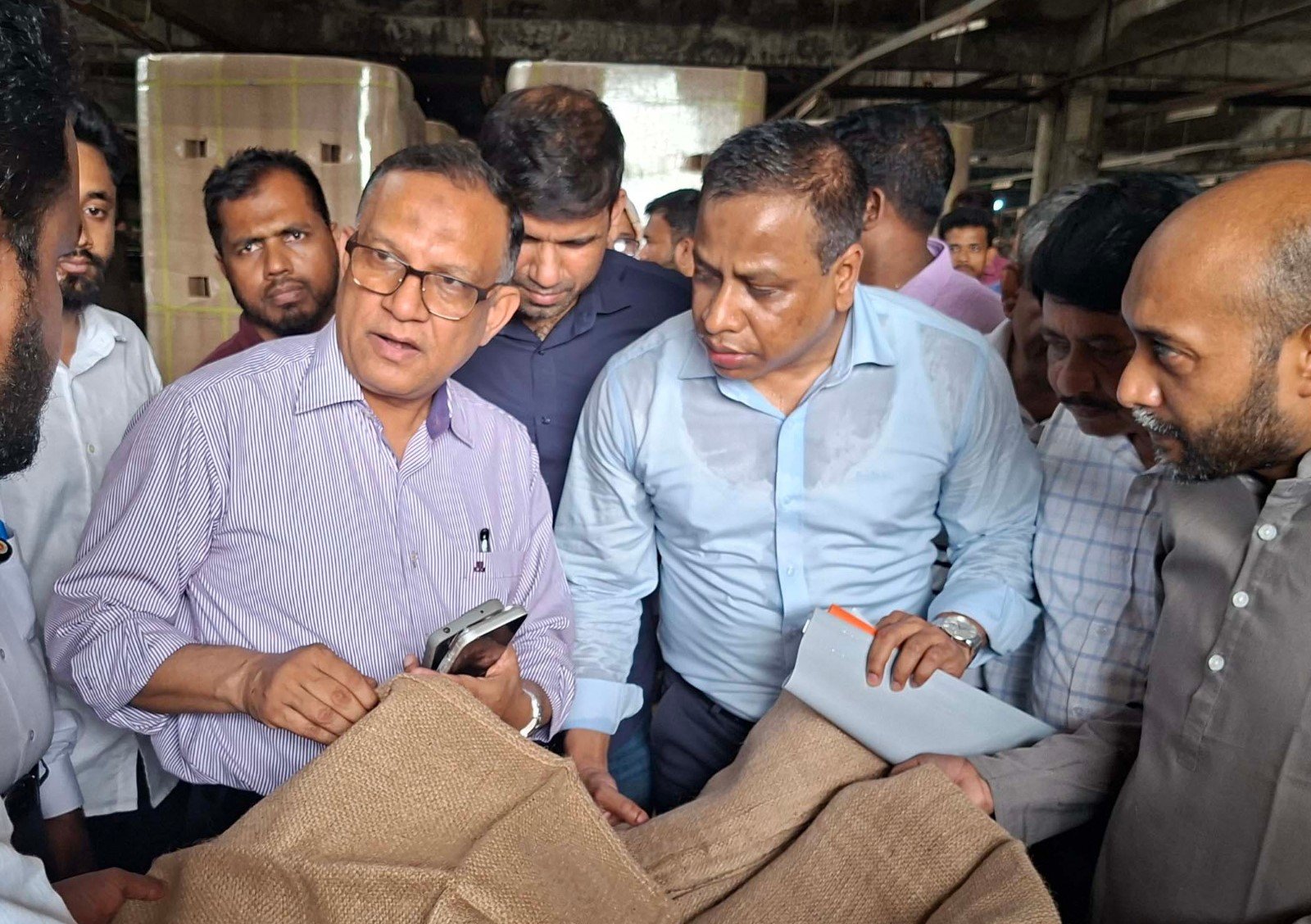
The State Minister for Textiles and Jute said this after visiting the Cooperative Jute Mills in Palash Upazila of Narsingdi on Tuesday (April 21, 2026). Later, he visited Bangladesh Jute Mills and PRAN-RFL Group’s industrial park in Ghorash Upazila.
The minister said that the tender process and EoI notification have already been completed to reopen the closed mills. The government is mainly interested in operating the mills through public-private partnerships or private entrepreneurs. The government has planned to reactivate the industrial zones with the active participation of domestic and foreign investors, so that the country’s economy will gain momentum. This is one of the election promises of the current government.
Stating that the quality of life of the people of Narsingdi will be improved, the State Minister said that thousands of people were once employed in these industries of Narsingdi. If the mills are reopened, almost 100% employment will be created from the local level. This will improve the quality of life of the locals.
The State Minister said that emphasis is being placed on improving the quality and research of jute seeds to bring back the lost glory of the golden fiber. Instructions have been given to the Bangladesh Jute Research Institute (BJRI) to improve the yield of local seeds compared to seeds from neighboring countries. Meanwhile, the government is working to ensure that jute farmers get a fair price for jute.
Additional Secretary of the Ministry of Textiles and Jute Subrata Sikder, Joint Secretary Hafsa Begum, Chairman of Bangladesh Jute Mills Corporation (BJMC) Kabir Uddin Sikder, local BNP leaders and representatives of the district administration were present at the time.