International Desk:
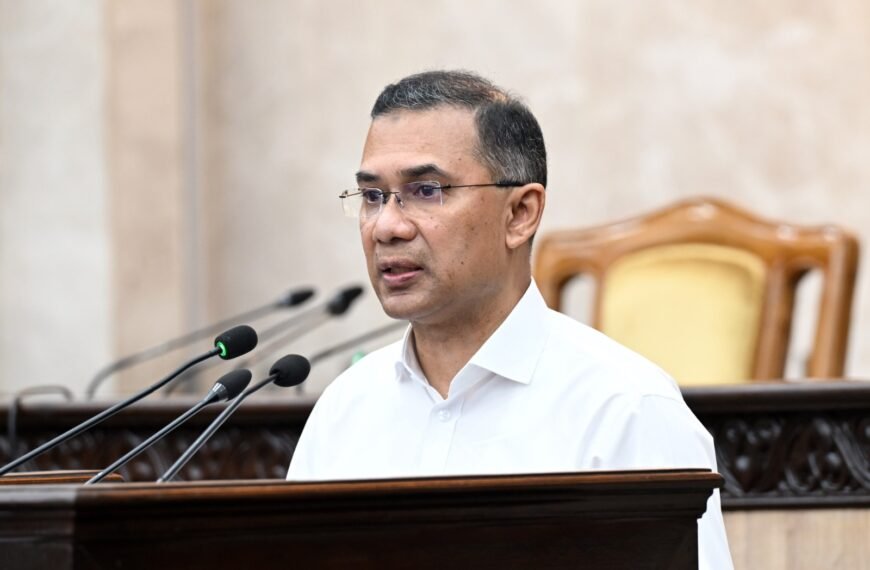
Commerce Minister Khandaker Abdul Muktadir has said that special privileges should be continued for a certain period after graduation from the least developed country (LDC) status so that economic stability is maintained in those countries. At the same time, he called for adopting a package in this regard at MC14.
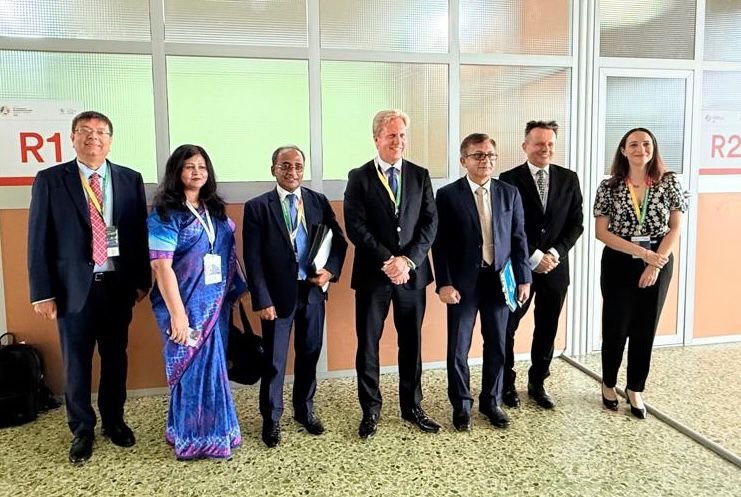
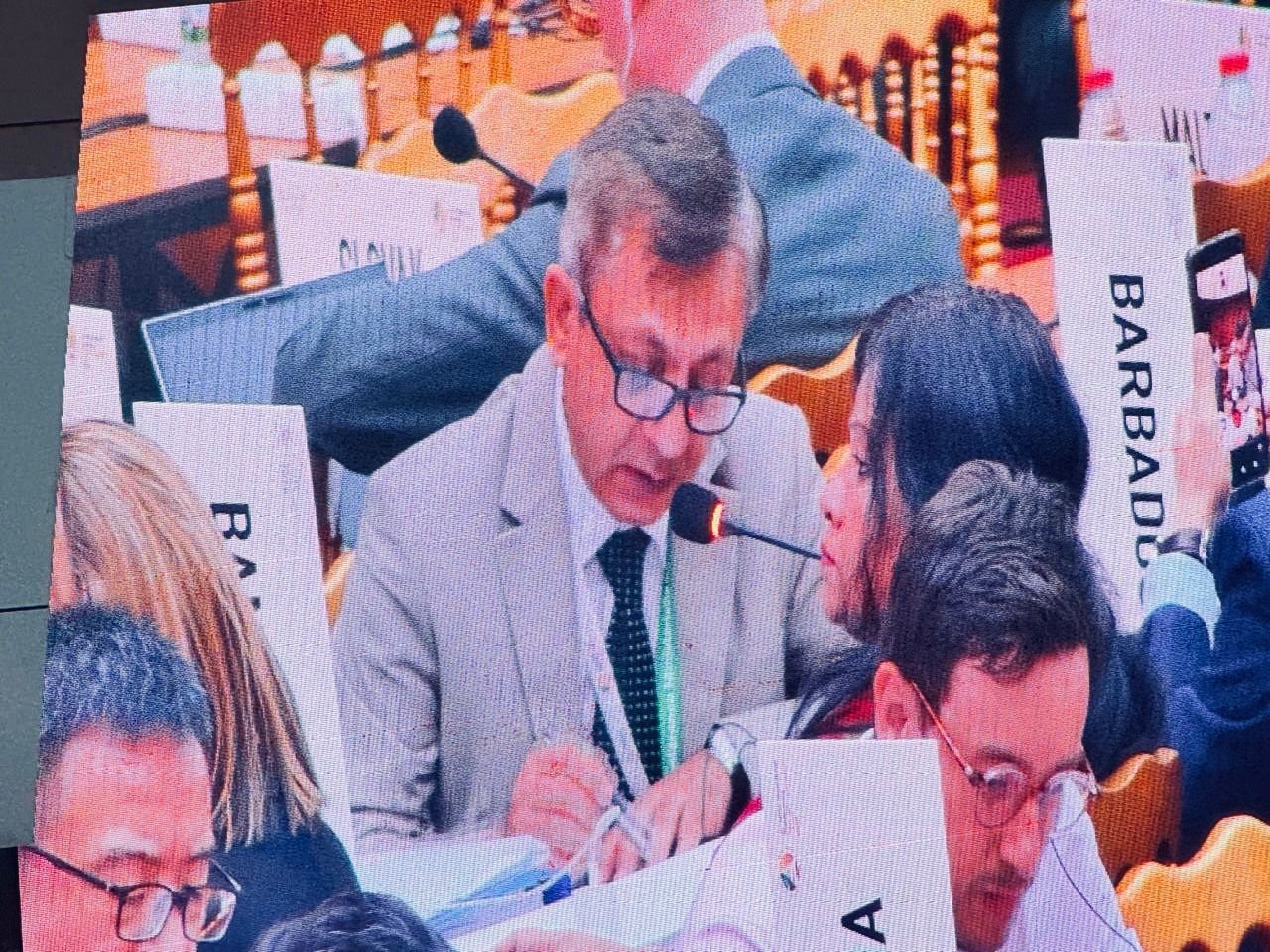
The Commerce Minister made this statement while participating in various thematic sessions on the third day of the ongoing World Trade Organization Ministerial Conference on Saturday (March 28, 2026) and highlighting Bangladesh’s position on important issues including WTO reform.
Abdul Muktadir said that it is very important to ensure an effective, predictable and rules-based dispute settlement system. He called for the prompt re-establishment of a full-fledged and two-tier dispute settlement system, where the activities of the Appellate Body need to be revived. He mentioned that a strong and neutral system is essential to protect the interests of developing and least developed countries.
Referring to Bangladesh’s position on subsidies in the fisheries sector, he said that the country’s contribution to harmful subsidies is close to zero, where large fishing countries are major partners. The Commerce Minister emphasized on imposing strict controls on harmful subsidies as well as ensuring special and differential treatment (S&DT) for least developed and developing countries. At the same time, he called for complete exemption for small and marginal fishers, so that fairness and sustainability are maintained.
At the conference, Bangladesh announced its accession to the Investment Facilitation for Development Agreement as the 129th member. This is Bangladesh’s first participation in any multilateral agreement under the WTO framework. The Commerce Minister expressed hope that this initiative will help improve the investment environment in Bangladesh and send a positive message to foreign investors. Various countries including the European Union, Japan, Korea, the United Kingdom and Hong Kong welcomed this step of Bangladesh.
In the context of the agriculture sector, the Commerce Minister highlighted the importance of agriculture in food security, livelihoods and poverty alleviation. He called for the expeditious resolution of long-standing outstanding issues such as public stockholding, special safeguard measures and trade-distorting subsidies of developed countries. He reiterated that Special and Differential Treatment (S&DT) must be at the centre of the agriculture negotiations.
On the Least Developed Country (LDC) package, Bangladesh strongly supported the importance of sustainable transition. The Commerce Minister said that special treatment needs to be continued for a certain period after graduation from LDCs so that economic stability is maintained. He called for the adoption of this package at MC14.
Bangladesh supports the continuation of the moratorium on Non-Violation and Situational Complaints (NVSCs) under the TRIPS Agreement until the next Ministerial Conference. The Commerce Minister said that such complaints can undermine the policy freedom of developing countries, especially in the areas of public health and education. Therefore, it is important to ensure a permanent solution.
The Commerce Minister further said that the reform process of the World Trade Organization must be based on its fundamental principles – transparency, inclusiveness and fairness. Only by maintaining commitment to these principles can trust and credibility in the multilateral trading system remain intact.
He reiterated that Bangladesh is committed to a fair, inclusive and development-oriented multilateral trading system. The outcome of MC14 will guide future reforms and Bangladesh will remain actively involved in the WTO process to protect the interests of developing and least developed countries.