Desk Report:
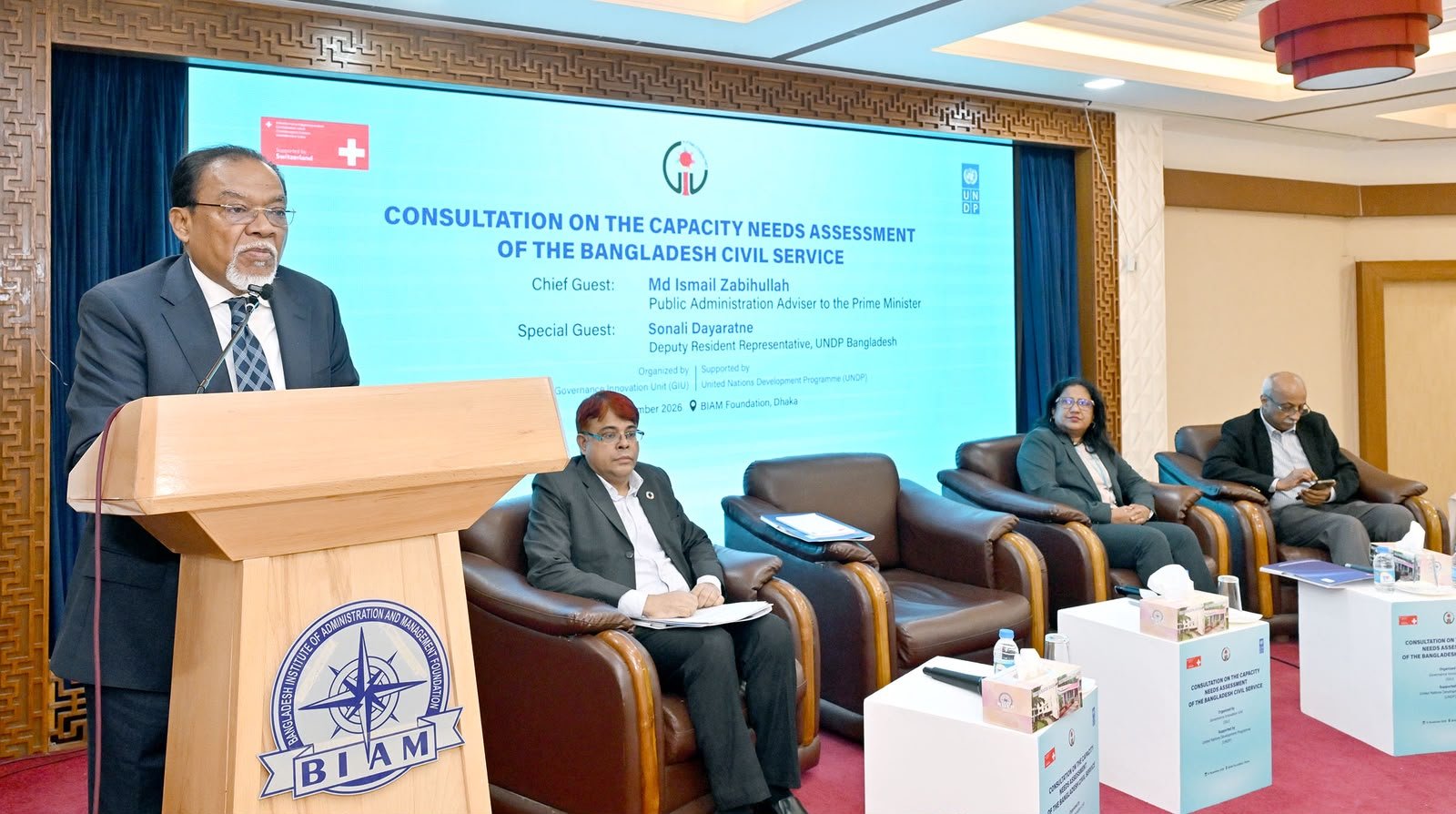
Md. Ismail Zabiullah, the Prime Minister’s Advisor on Public Administration, has called for transforming the Civil Service into a more efficient, accountable, ethical, and technology-enabled institution to meet the expectations of the public.
He made this call while speaking as the chief guest at a national consultation meeting titled “Capacity Needs Assessment (CNA) of the Bangladesh Civil Service,” held on Tuesday (November 10, 2026) at the BIAM Foundation in the capital. The event was jointly organized by the Governance Innovation Unit (GIU) of the Prime Minister’s Office and UNDP Bangladesh.
The Advisor stated that the people of the country expect a transparent, efficient, and citizen-friendly administration from the current government. He emphasized that the competence, performance, and capacity of the Civil Service to deliver services promptly are crucial for the successful implementation of the government’s five-year strategic reform and development framework (July 2026–June 2031). A policy or program can only be considered successful when field-level officials are able to deliver it to the public in a timely and appropriate manner.
Highlighting the need to modernize the Civil Service to address the challenges of governance in a rapidly changing world, he noted that the effective use of Artificial Intelligence (AI) and data is adding new dimensions to governance systems globally. Citing the experiences of Singapore, South Korea, Malaysia, and the United Kingdom, he suggested moving beyond traditional, one-off training sessions toward lifelong learning and competency-based professional development for officials. Furthermore, he stressed that the Bangladesh Civil Service must be equipped with international-standard skills to remain competitive on the global stage. Commending the Civil Service Capacity Needs Assessment (CNA) initiative, the Advisor noted that it has identified key areas—such as public financial and procurement management, project implementation and management, artificial intelligence and digital literacy, data protection, climate change, trade and investment, legislative drafting, and citizen-centric service delivery—that are critical for the administration. Enhancing the skills of officials in these areas will further strengthen the overall capacity of the public administration.
Addressing the officials, the Advisor emphasized that only competent personnel can ensure high-quality public services. Therefore, to fulfill the hopes and aspirations of the people, the civil service must become more efficient, ethical, and technologically proficient.
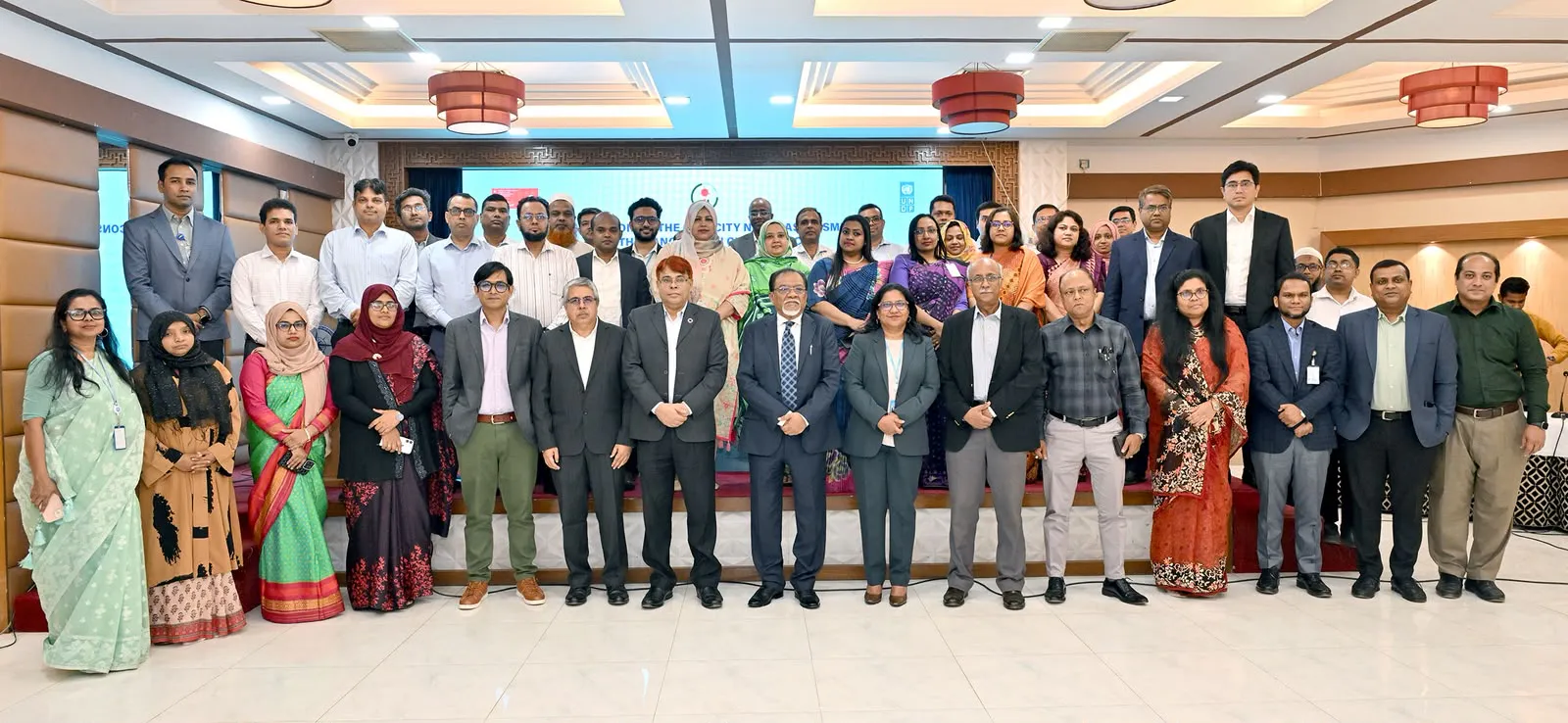
Sonali Dayaratne, Deputy Resident Representative of UNDP Bangladesh, attended the event as a special guest. Other speakers included Dr. Delwar Hossain, Director General of the Governance Innovation Unit, and Dr. Rizwan Khair, an Associate Professor at North South University. Senior officials from various ministries and departments participated in the meeting.