Diplomatic Desk:
Prime Minister Tarique Rahman has called upon all Bangladeshis—both those living within the country and those residing abroad—to work together from their respective positions to ensure the nation’s development and the welfare of its people. He stated that if Bangladesh can be transformed into a developed nation, all Bangladeshis, whether at home or abroad, will reap the benefits.
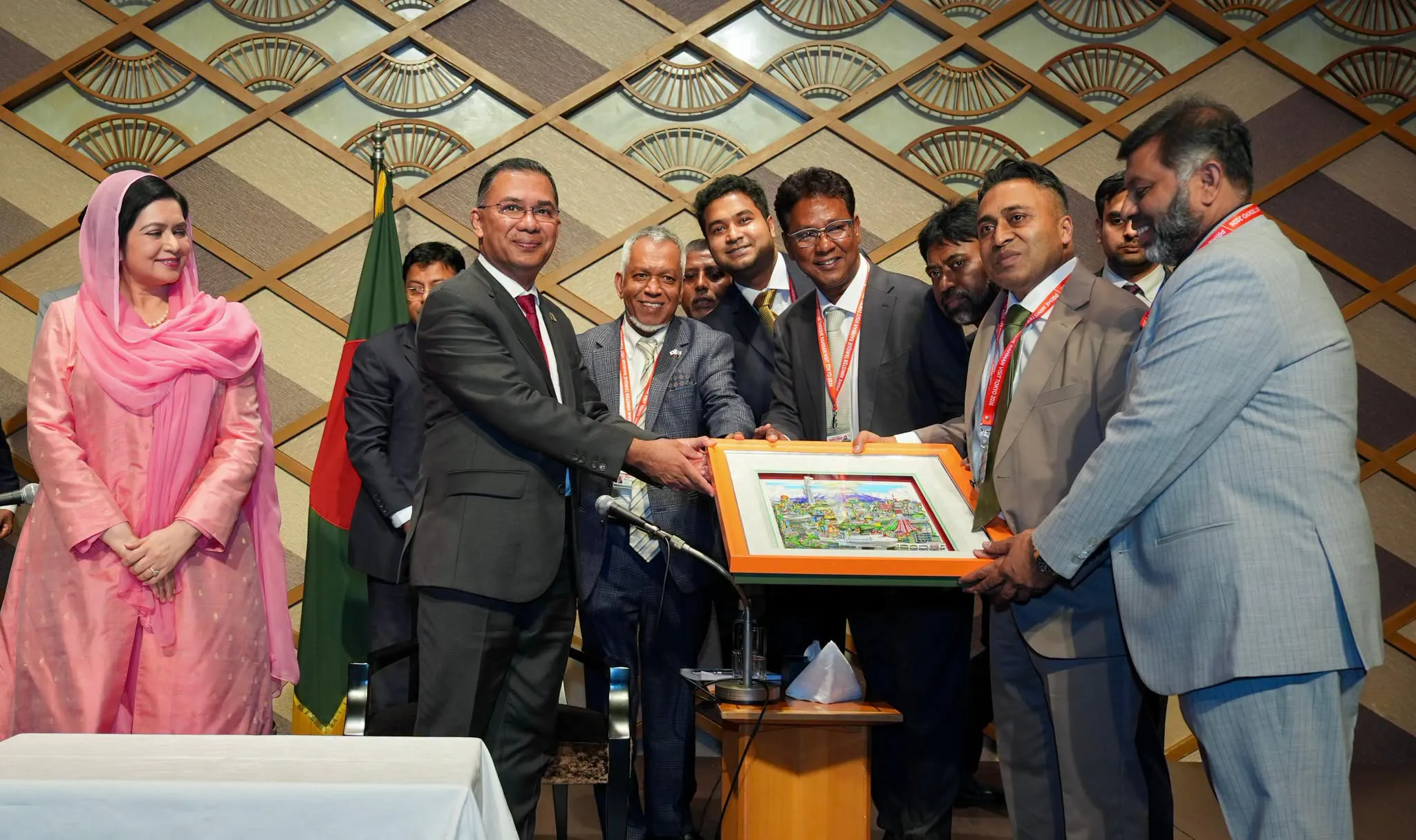
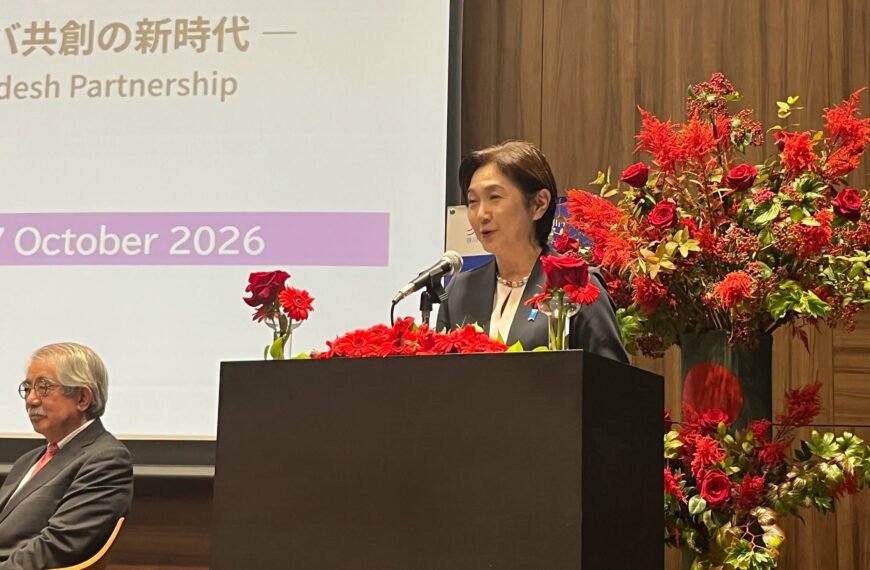
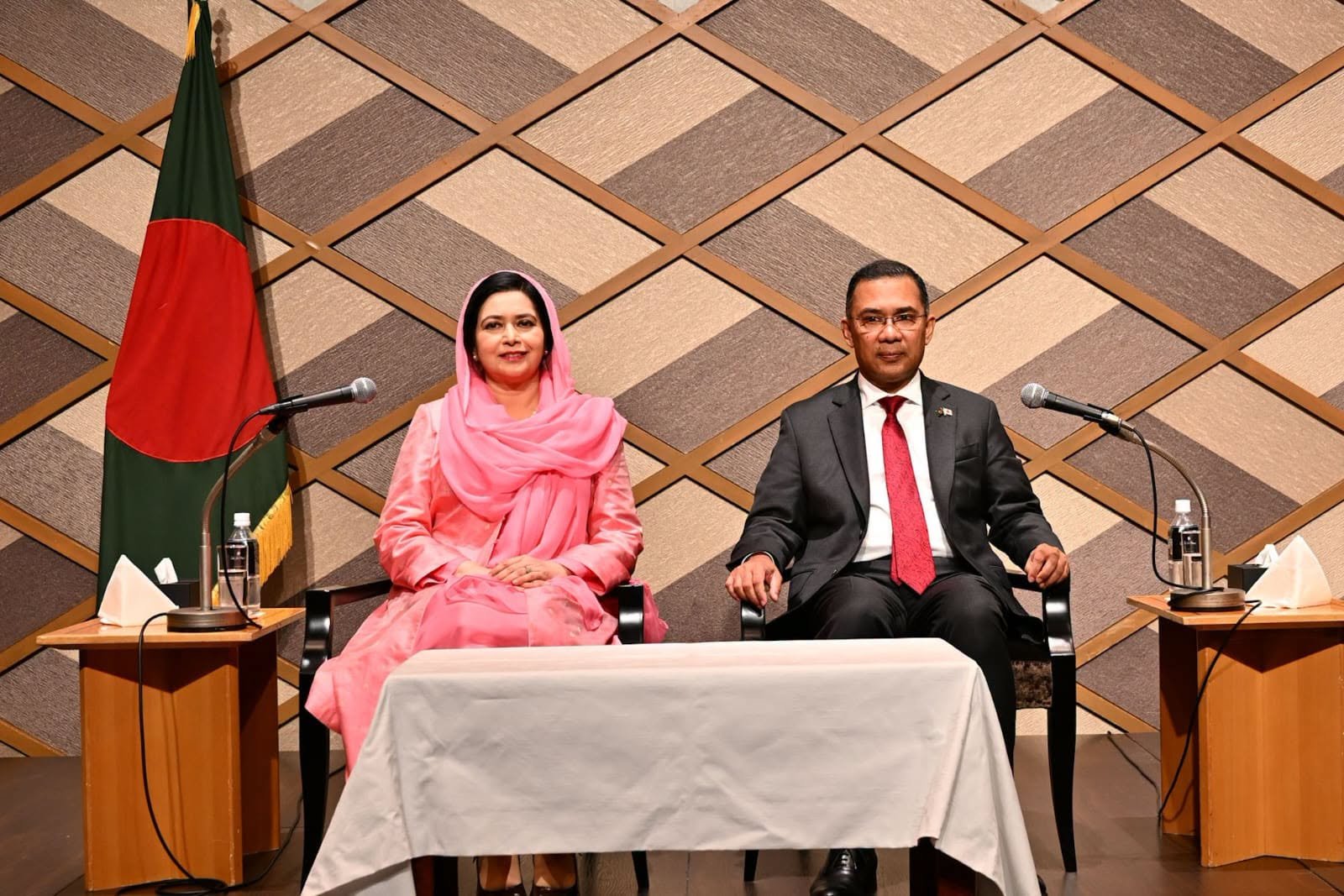
The Prime Minister made these remarks on Wednesday evening (October 28, 2026) during an exchange meeting with members of the Bangladeshi community in Japan, held at the New Otani Hotel in Tokyo.
The Prime Minister emphasized that the government’s primary objective is to achieve positive outcomes for the nation. Regardless of where they are—at home or abroad—everyone should strive to contribute to the well-being of the country and its people through their respective endeavors.
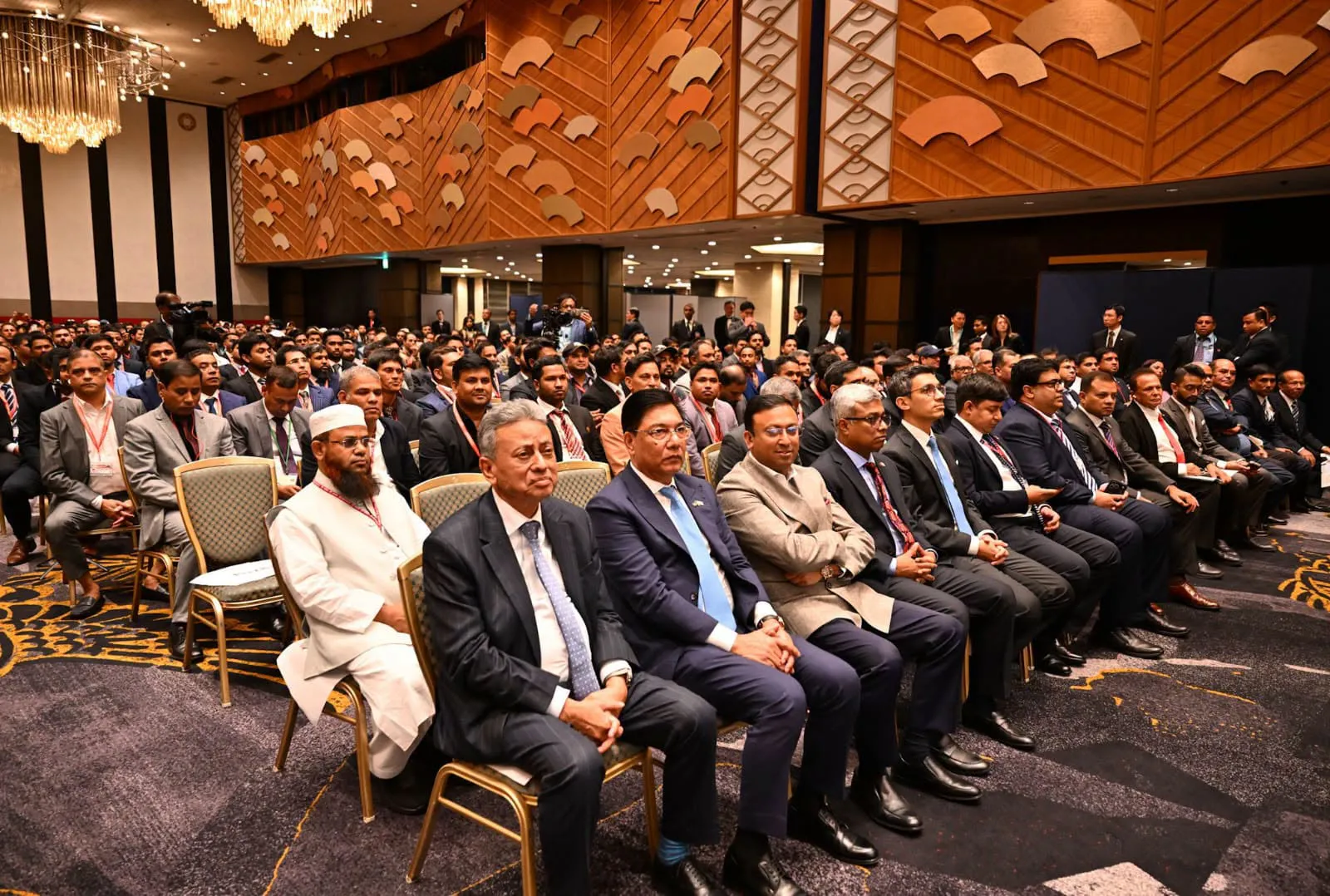
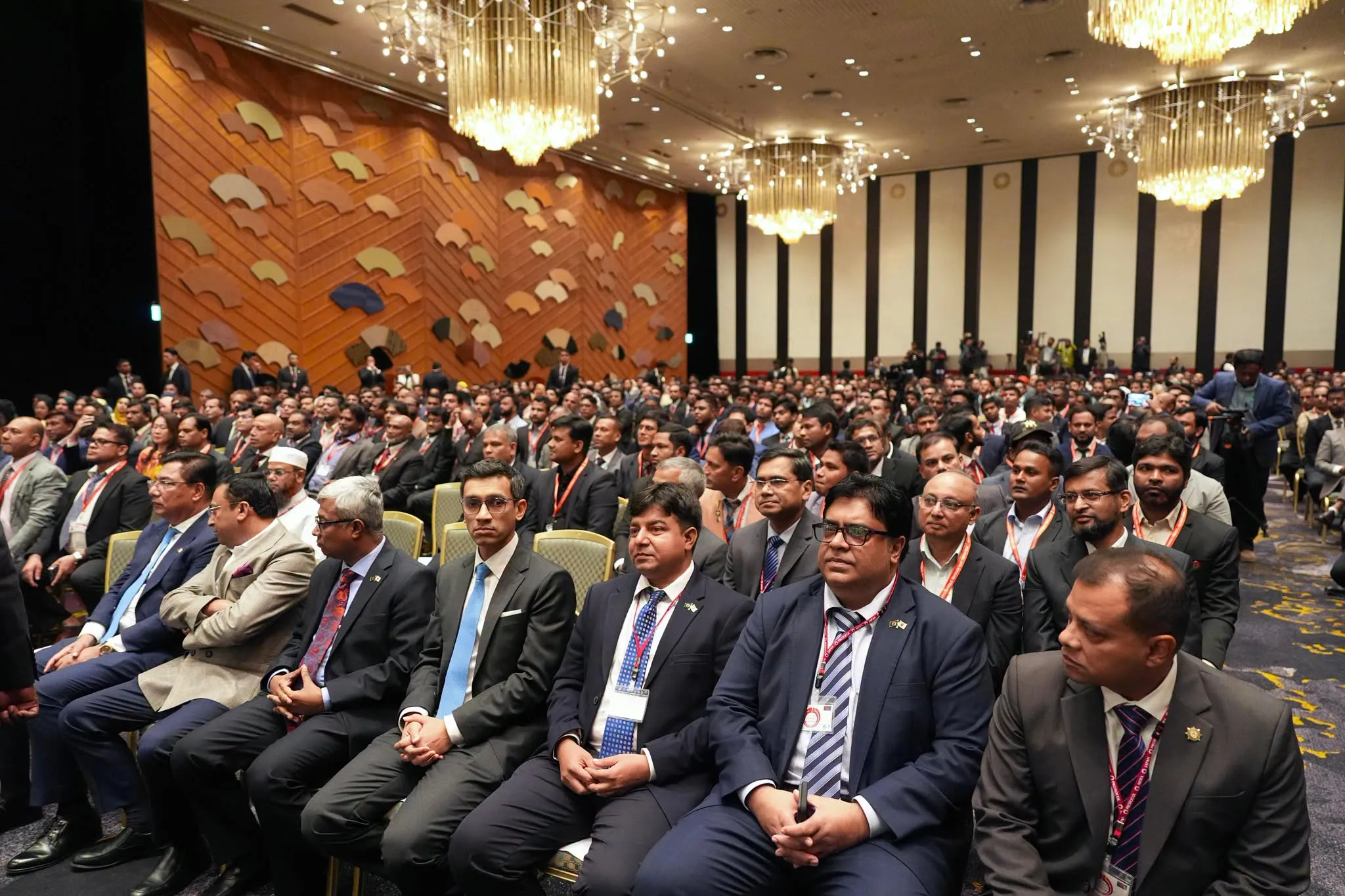
During the meeting, members of the Bangladeshi community in Japan raised questions regarding various challenges and opportunities. In response, the Prime Minister outlined the government’s plans concerning education, healthcare, the development of a skilled workforce, and increasing the participation of Bangladeshis in the Japanese labor market. The Prime Minister’s spouse, Dr. Zubaida Rahman, was also present at the event.
Opportunities to Learn a Third Language, Including Japanese, in Schools
To strengthen the national education system, the Prime Minister underscored the importance of solidifying the foundation of primary education. He also announced plans to introduce the study of a third foreign language—alongside English—to enhance opportunities for students in higher education and future employment.
Tarique Rahman stated that students will have the option to learn various foreign languages, including Japanese, German, and French, among others. Students will be free to choose a language according to their personal preference.
He added that, in addition to acquiring proficiency in foreign languages, it is essential to expand opportunities for students to engage in sports and cultural activities. This will provide them with a competitive advantage for higher education and employment, both domestically and internationally.
Plans to Increase Bed Capacity in Upazila Hospitals to 150
Responding to a question regarding potential cooperation with Japan in the health and technology sectors, the Prime Minister noted that improving the quality of healthcare in Bangladesh is a top government priority. He emphasized that the government is particularly focused on ensuring that the general population in rural areas—especially women and children—have access to essential healthcare services. She stated that, currently, upazila-level hospitals in the country have a capacity of 50 beds each. There is a plan to increase this capacity to 150 beds per hospital over the next five years.
Furthermore, the Prime Minister mentioned that initiatives will be taken to introduce dialysis facilities at the upazila level and to expand specialized healthcare services for women and children.
Initiatives to Leverage Skilled Manpower and the Potential of the Expatriate Community
During an exchange with the Bangladeshi community in Japan, the Prime Minister outlined the government’s future plans regarding education, healthcare, and the development of a skilled workforce.
She also explained the government’s strategy to increase the participation of Bangladeshis in the Japanese labor market. Emphasis was placed on expanding international employment opportunities for Bangladeshi youth by enhancing their proficiency in foreign languages, ensuring access to quality education, and improving their technical qualifications.
The Prime Minister’s remarks underscored a commitment to linking the nation’s development with the collective efforts of both expatriates and those living within the country. In her view, every Bangladeshi—from their respective position—must play a positive role in improving the quality of life for the nation’s people and achieving the goal of transforming Bangladesh into a developed state.