Diplomatic Desk:
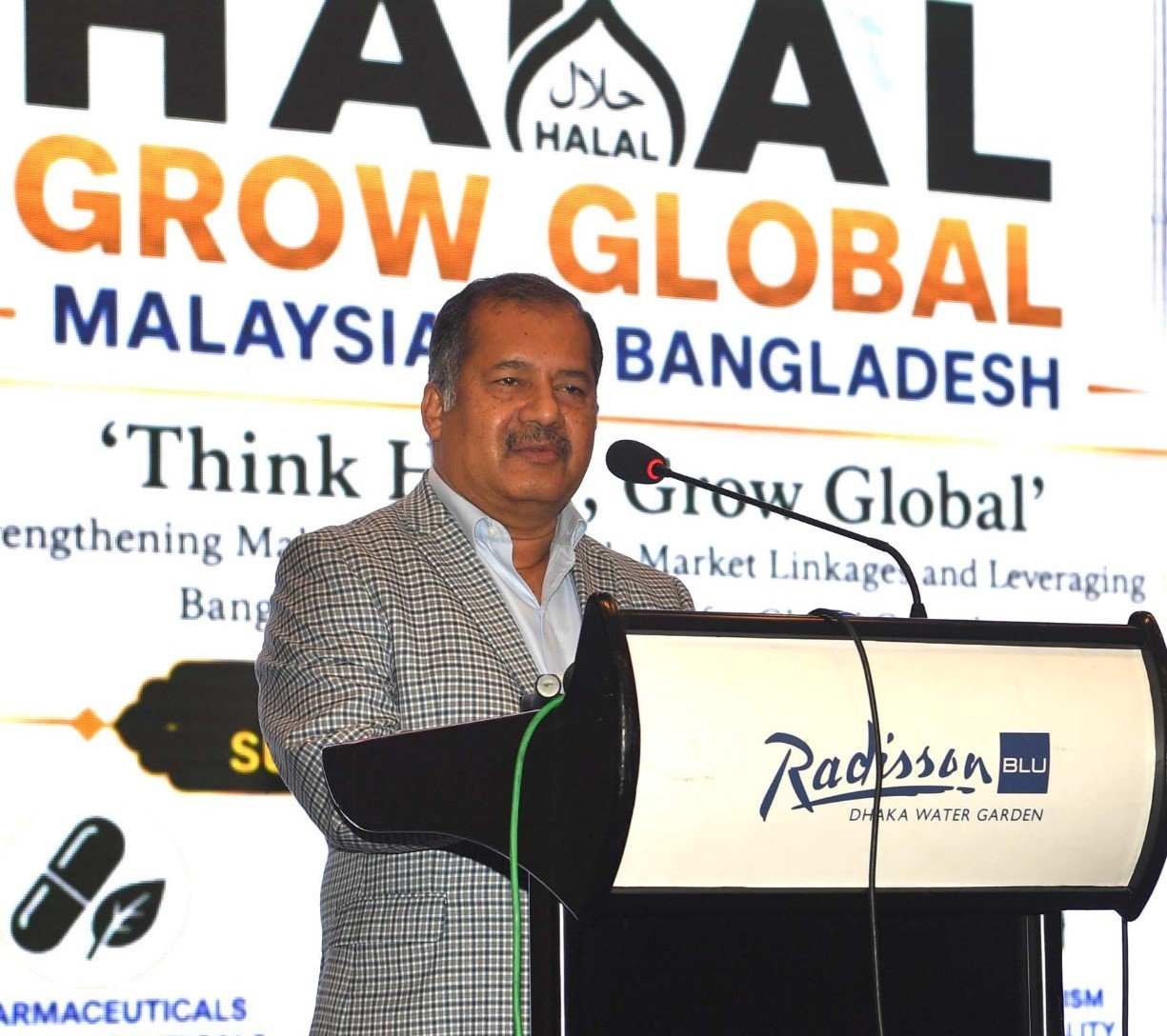
Halal food culture and values can become a great asset and strength not only for the Muslim world but also for the entire human civilization, Information and Broadcasting Minister Zahir Uddin Swapan has said. He said that the development of halal products and culture is not just a religious or cultural matter; it is also directly related to the global economy and human welfare.
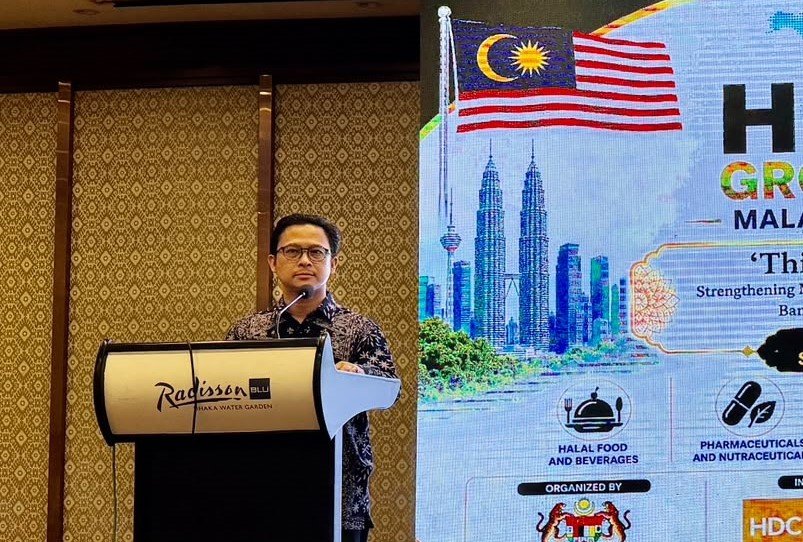
He made these remarks as the chief guest at a seminar titled ‘Think Halal, Grow Global: Strengthening Malaysia-Bangladesh Market Linkages and Leveraging Bangladesh’s Halal Industry for Global Growth’ organized by the Malaysian High Commission at a prestigious hotel in the capital on Wednesday (August 19, 2026).
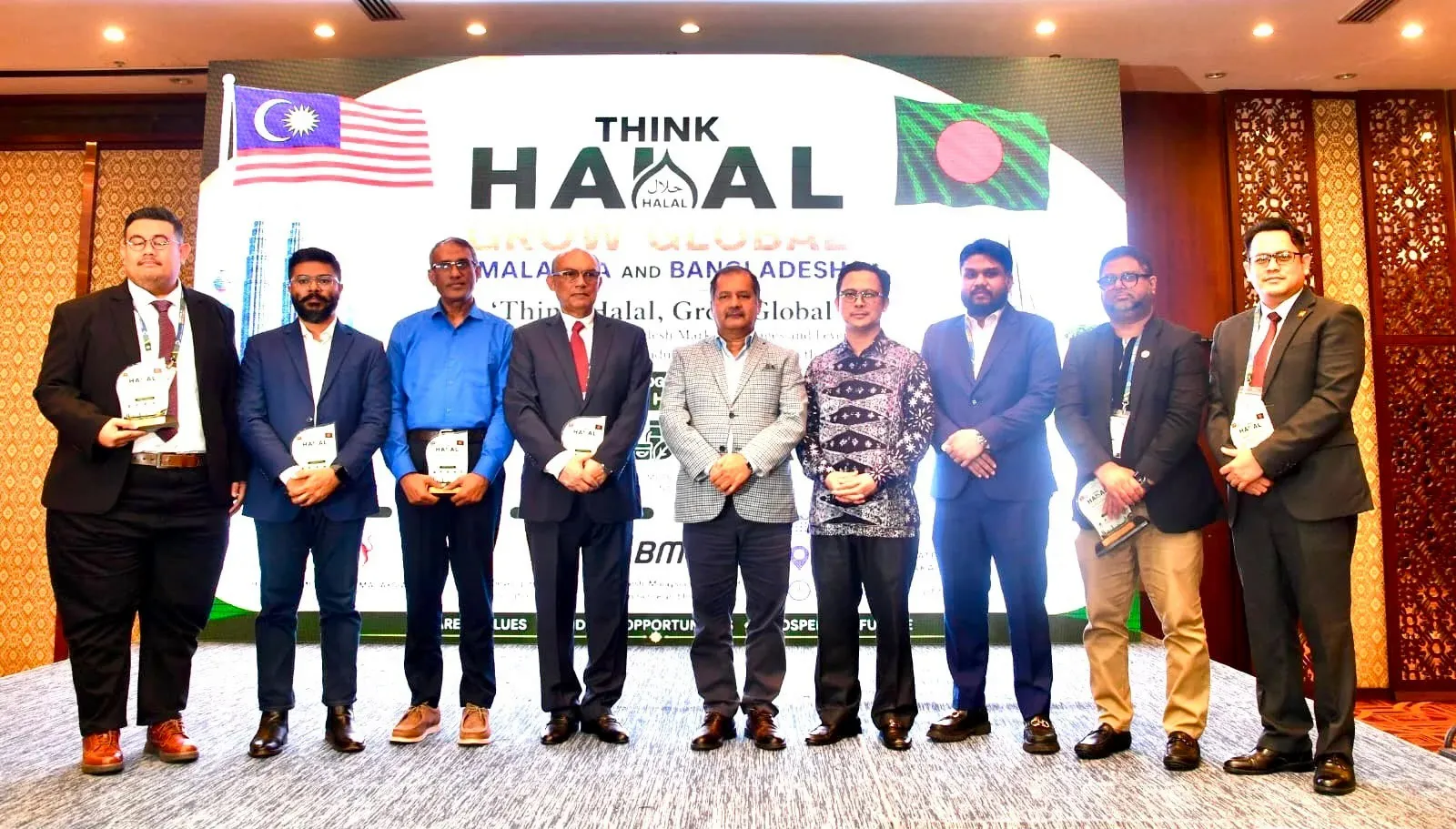
Zahir Uddin Swapan said that there is a huge market for halal food in the global market and both consumers and investors are ready to exploit the potential of this sector. The development of the halal industry can generate new investment, employment, expand exports and further strengthen Bangladesh’s position in the international market.
He said that Bangladesh and Malaysia share common values in religious and social fields. The two countries can jointly use their common values, culture and experience to play an important role in the development of the halal industry and expand its scope in the global market.
Referring to the global demand for halal products, the minister called on entrepreneurs, investors, traders and related institutions to work together.
He said that investors need to be provided with the right ideas, information, knowledge and a specific business structure. If the right ideas and knowledge can be combined, it will have a positive impact on the market and will increase the acceptance of halal products among ordinary consumers.
The minister said that it will not be possible to utilize the real potential of the halal industry if it is viewed only in the light of religious needs. The industry must be upgraded to international standards by giving importance to quality, safety, hygiene, ethics and consumer trust.
He emphasized on further increasing investment, technology, knowledge and business cooperation between Bangladesh and Malaysia. At the same time, he called on Bangladeshi entrepreneurs to increase their capacity to produce and market products according to the needs of the international market.
Zahir Uddin Swapan said that in addition to Bangladesh’s large market and production capacity, the growing role of skilled entrepreneurs and the private sector can be important assets in the development of the halal industry. By utilizing Malaysia’s experience, Bangladesh can create a stronger position in this sector at the international level.
He said that the global demand for halal products and services is gradually increasing. Therefore, Bangladeshi entrepreneurs should not only focus on the domestic market but also adopt production and investment plans targeting the international market.
In this regard, emphasizing on further strengthening commercial and institutional cooperation between Bangladesh and Malaysia, the minister said that joint ventures, technology and knowledge exchange, skill development, standard setting and development of internationally acceptable certification systems can further advance the halal industry in Bangladesh.
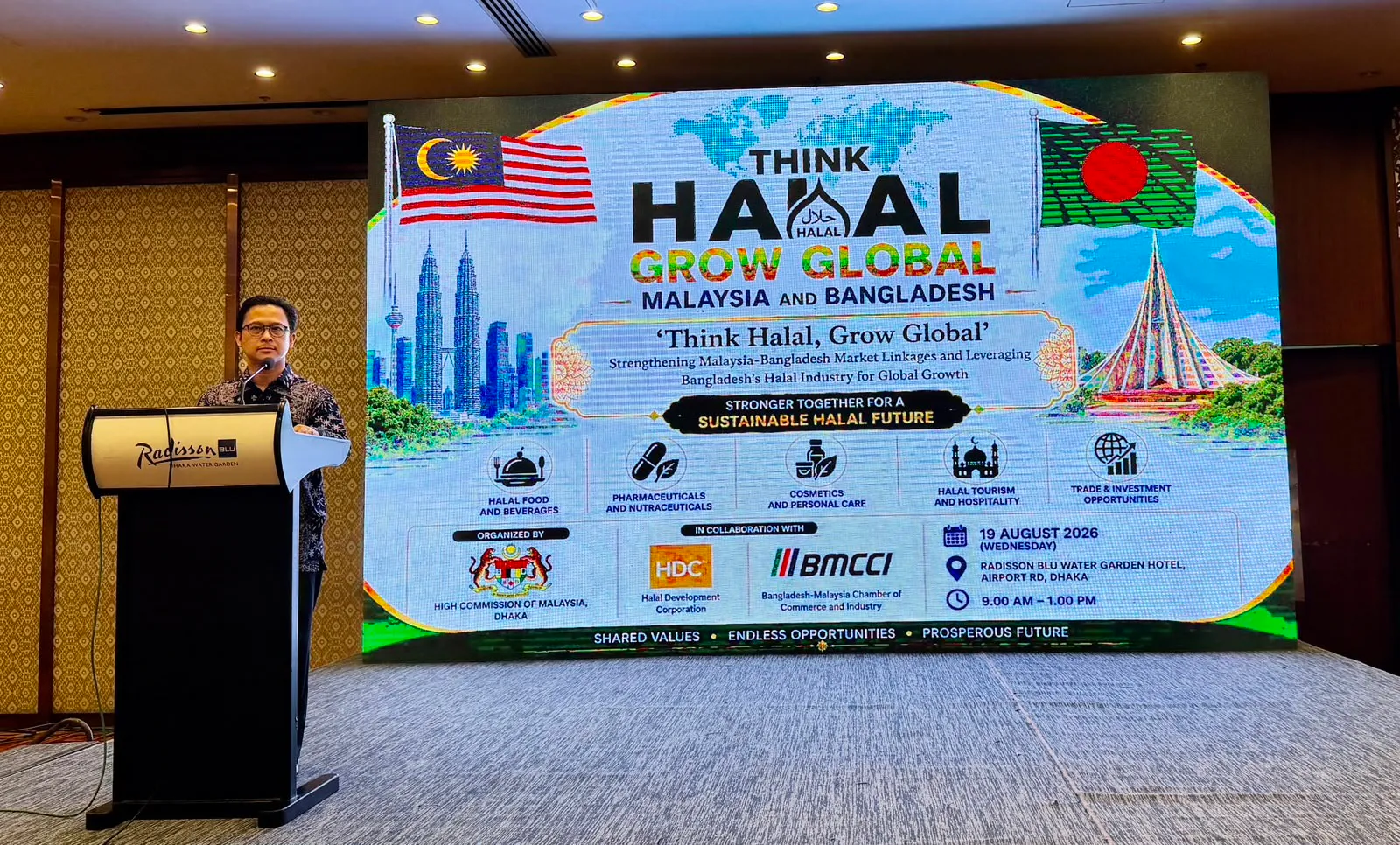
At the seminar, Malaysian High Commissioner Shuhada Uthman called for tapping the potential of Bangladesh’s halal industry to enter the global market as well as increasing investment, technology, knowledge and business cooperation between the two countries.
He said that in 2024, the global halal market size was about 2.6 trillion US dollars. By 2029, this market could reach about 3.6 trillion US dollars. Along with the increasing number of Muslim populations, the increasing interest of global consumers in quality and safe products is accelerating the growth of this market.
Representatives and business leaders from various organizations including Halal Development Corporation Malaysia, Bangladesh Halal Certification Department, Bangladesh Investment Development Authority (BIDA), Business Initiative Leading Development, Bangladesh-Malaysia Chamber of Commerce and Industry were present at the seminar.