Diplomatic Desk:
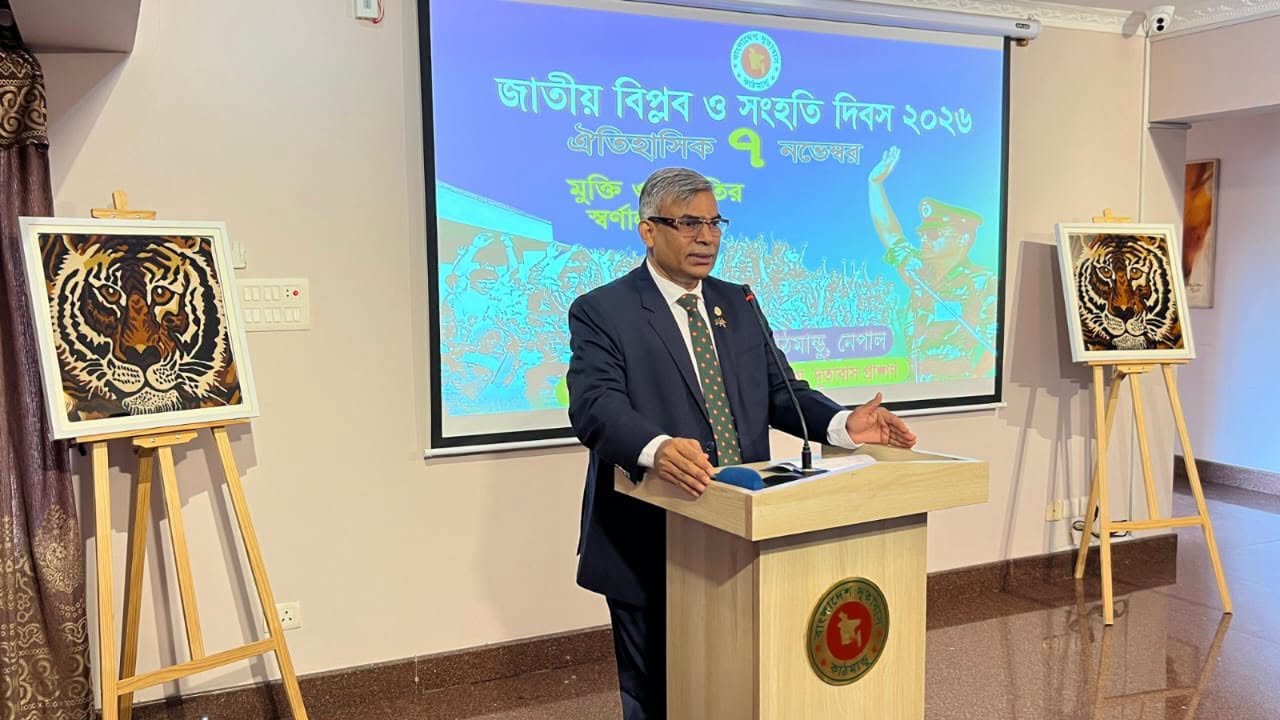
The Bangladesh Embassy in Kathmandu, Nepal, observed National Revolution and Solidarity Day with due solemnity and reverence. The event was held on the embassy premises to commemorate the historic developments of November 7, 1975, and to reflect on the significance of this day in the political history and nation-building process of Bangladesh.
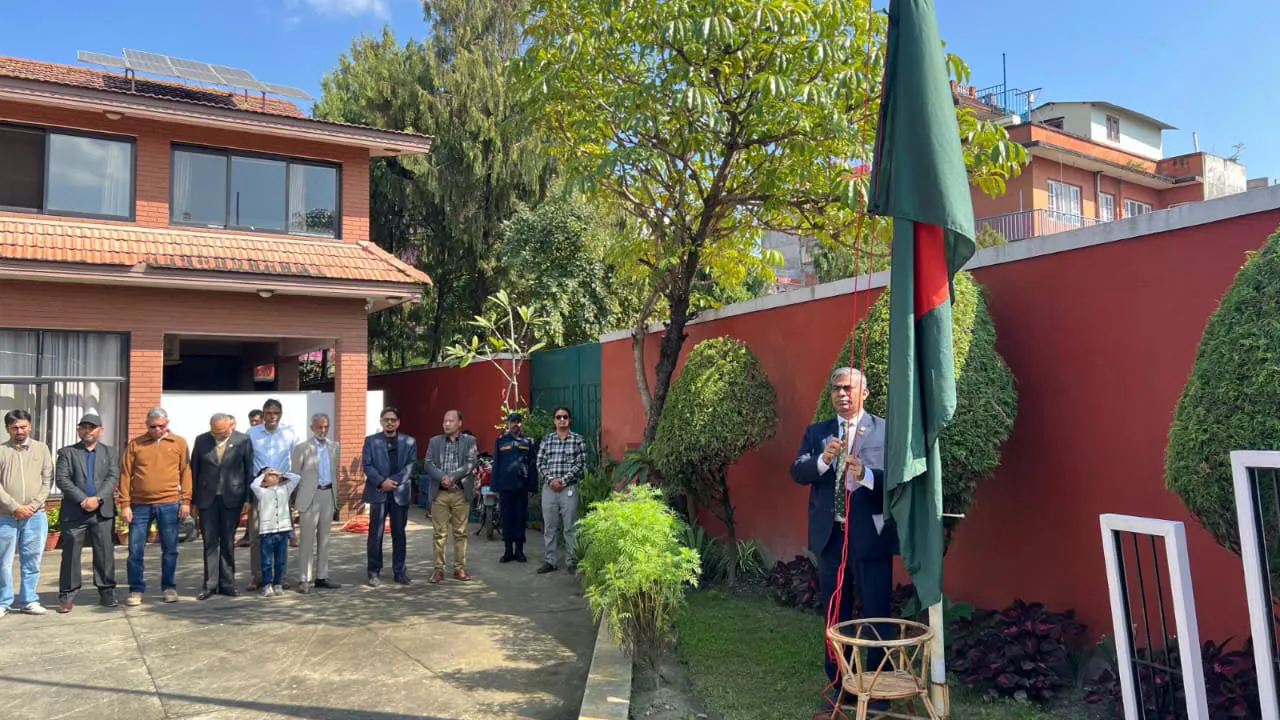
The program began with the hoisting of the national flag of Bangladesh on the embassy premises, attended by a significant number of guests, including expatriate Bangladeshis and individuals from various professional backgrounds. This was followed by a discussion session in the embassy auditorium, which commenced with the national anthems of both Bangladesh and Nepal. Messages from the President and the Prime Minister of Bangladesh, issued for the occasion, were read out. Additionally, special prayers were offered for the eternal peace of the souls of the martyrs and for the continued peace, prosperity, and well-being of the nation. Two documentaries highlighting the historical background and significance of the day were also screened.
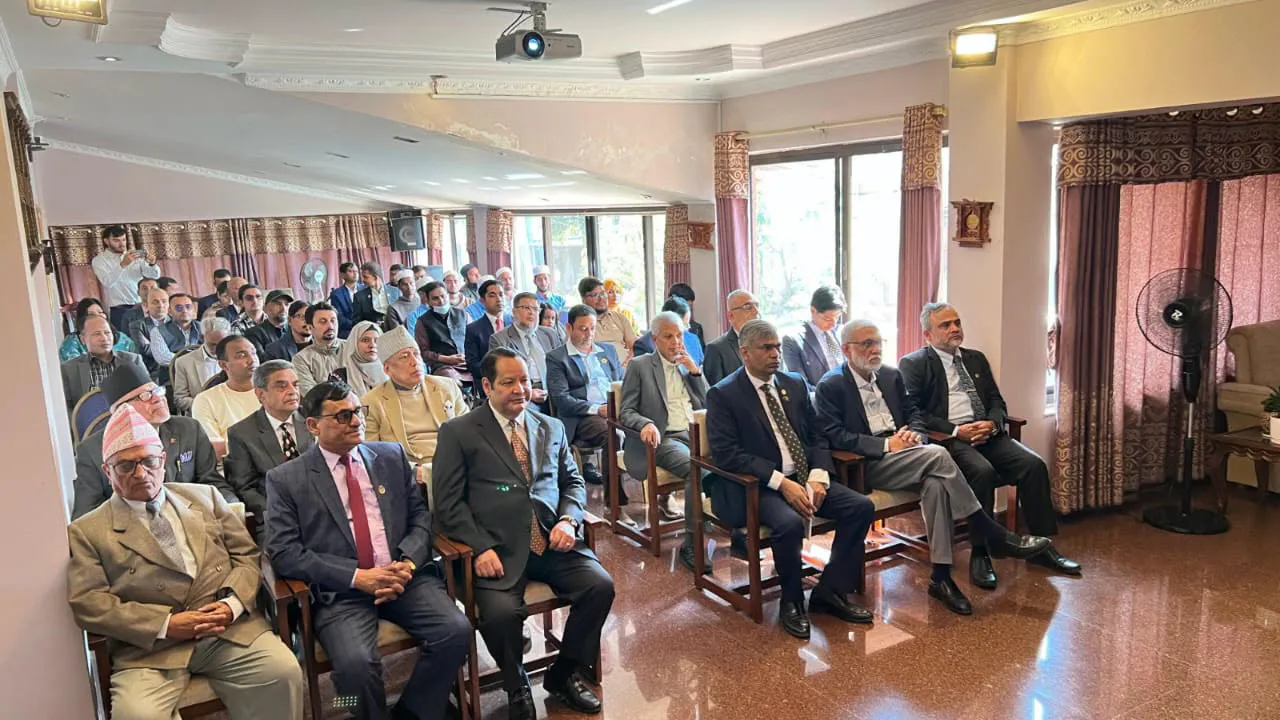
During the discussion, speakers addressed the historical importance of November 7, 1975, its place in Bangladesh’s political history, and its role in the nation-building process. They recalled the contributions of the late President Ziaur Rahman—specifically his efforts to restore multi-party democracy and ensure freedom of expression and the press. They also highlighted his role in safeguarding the nation’s unity, sovereignty, and independence.
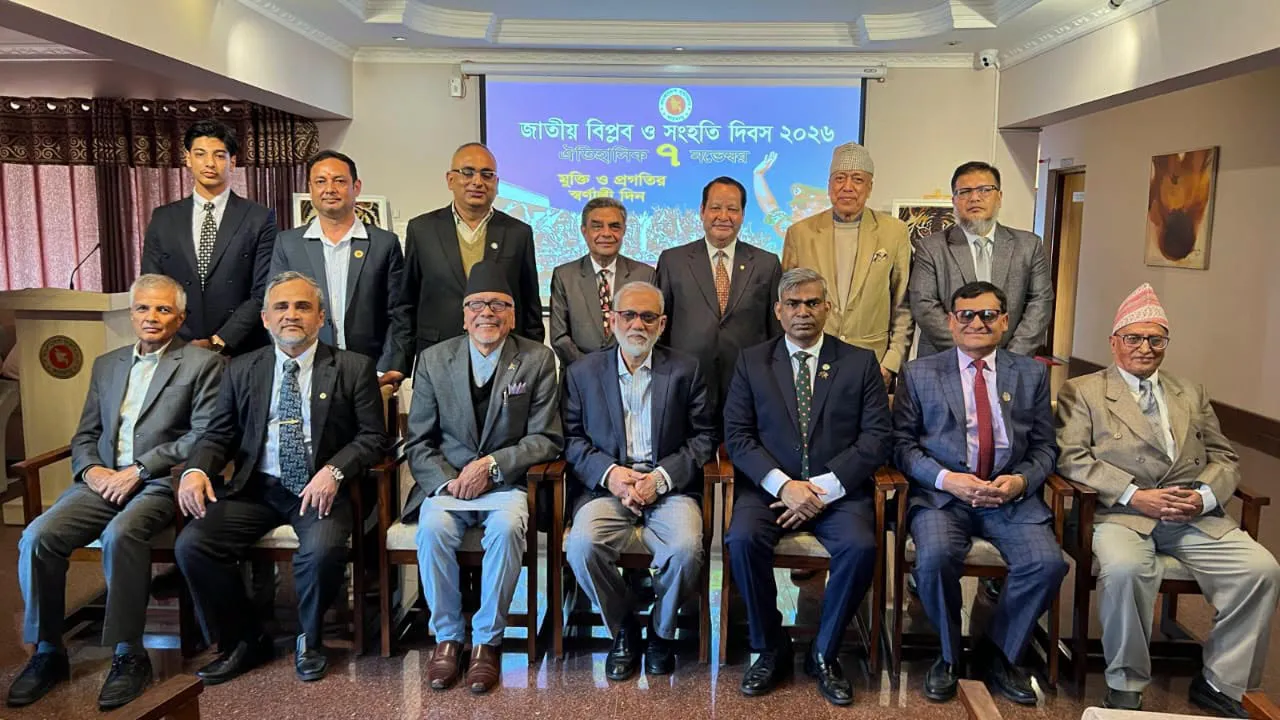
In his concluding remarks, the Ambassador of Bangladesh to Nepal, Shafiqur Rahman, underscored the historical importance of November 7, 1975, and its ongoing relevance to the national life of Bangladesh. He described the day as a critical turning point in the country’s political history.
The Ambassador noted that on November 7, the late President Ziaur Rahman—a ‘Bir Uttam’ and the proclaimer of independence—was freed from captivity through the efforts of his fellow soldiers and the general public. Subsequently, the responsibility of steering the nation out of a profound national crisis was entrusted to him. According to the Ambassador, the emergence of Ziaur Rahman as a national leader played a pivotal role in safeguarding Bangladesh’s independence and sovereignty, establishing the rule of law, and restoring national stability.
He highlighted the contributions and enduring legacy of President Ziaur Rahman as a pioneer of “productive politics” in Bangladesh. In his address, he noted that the shift from rhetoric-heavy politics toward a focus on production and development—along with the “Bangladesh First” policy, which prioritized national interests—brought about significant changes in the country’s policymaking. Furthermore, he emphasized the integration of the ideology of “Bangladeshi nationalism” into national policy and the importance of projecting Bangladesh’s national interests and concerns on the international stage.
The Ambassador urged the Bangladeshi diaspora to play an active role in the nation’s development and progress, inspired by a spirit of national unity, solidarity, and patriotism. He sought their support and cooperation for government initiatives aimed at strengthening national institutions, developing infrastructure, expanding communication networks, and fostering overall national development.
The event was attended by former Bangladeshi Ambassadors to Nepal, faculty members from the University of Dhaka, prominent business leaders from Nepal, representatives from SAARC and the International Centre for Integrated Mountain Development (ICIMOD), as well as members of the Bangladeshi community residing in Nepal. Approximately 100 guests were present.