Desk Report:
Finance Minister Amir Khasru Mahmud Chowdhury has stated that a market-based economy and transparency can be achieved through real-time and interoperable systems. The government is moving toward a free-market approach, with the goal of establishing a market-oriented business and economic framework in Bangladesh.
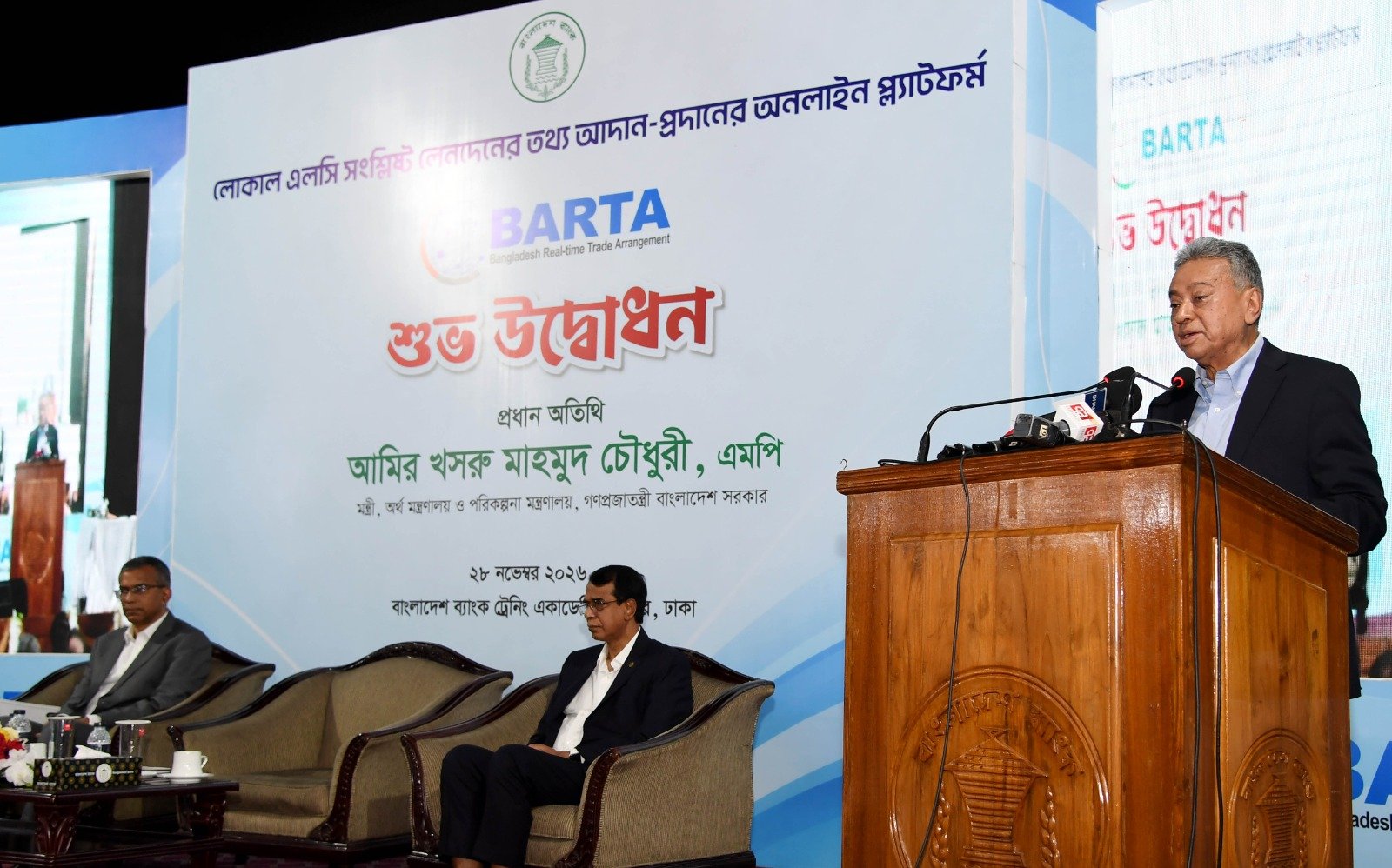
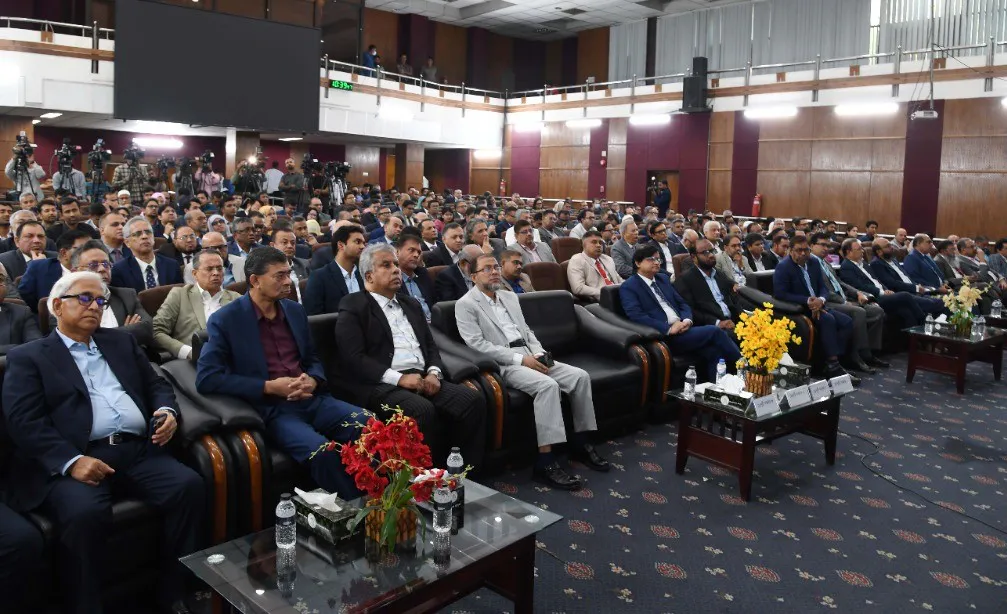
The Finance Minister made these remarks while serving as the chief guest at the inauguration of the ‘Bangladesh Real-time Trade Arrangement’—an online platform for exchanging data related to local Letter of Credit (LC) transactions—held on Saturday (November 28, 2026) at the Bangladesh Bank Training Academy auditorium.
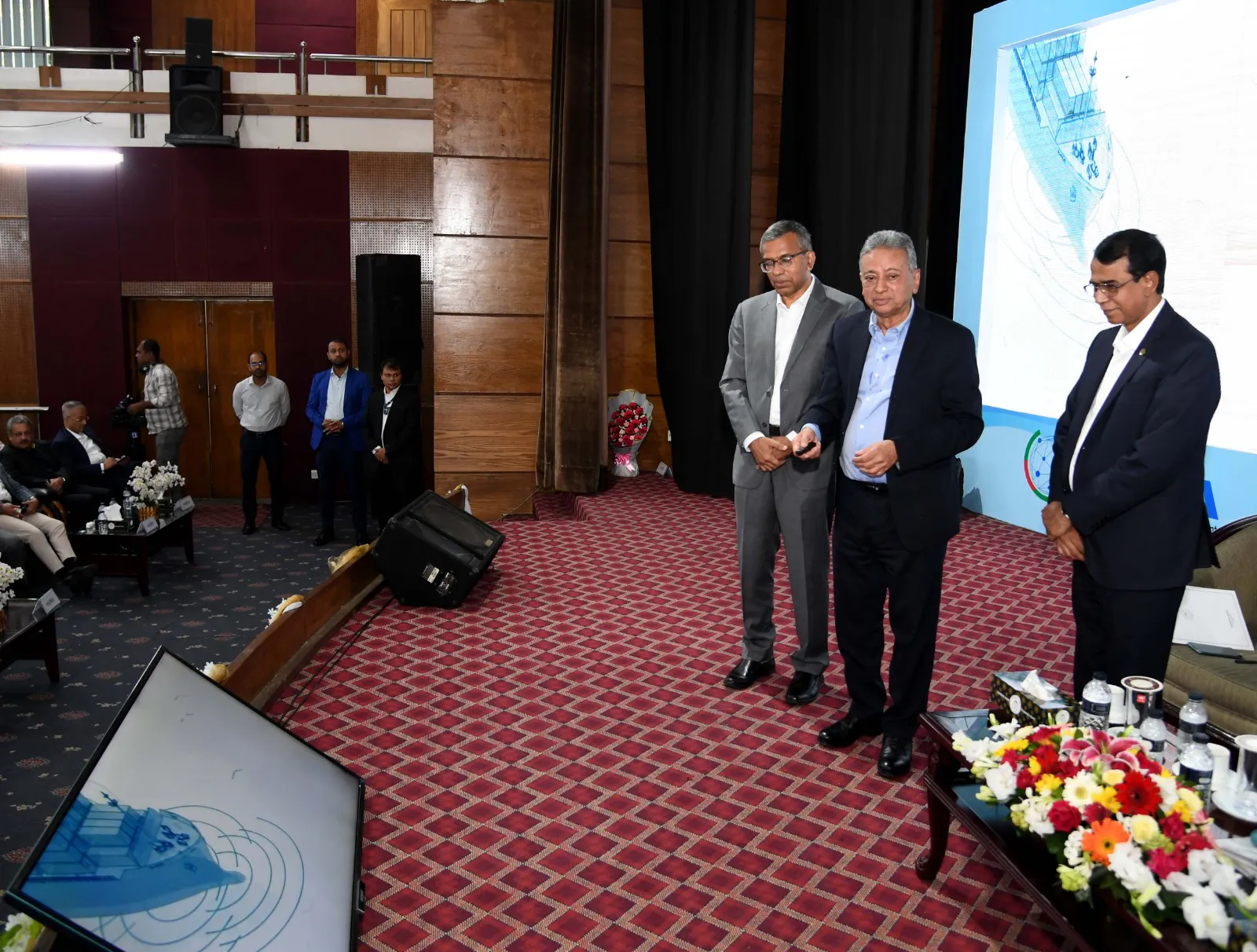
The Finance Minister emphasized that to keep pace with global trade and investment, every transaction must occur in real-time, and full interoperability must be ensured across institutional systems. Previously, a lack of interoperability existed because the systems used by various ministries and institutions operated in isolation. Real-time operations are impossible without seamless data and transaction interoperability between Bangladesh Bank, the capital market, the National Board of Revenue (NBR), the insurance regulatory authority, and other major institutions.
He noted that this online platform will play a vital role in facilitating interoperability, enabling close monitoring, ensuring transparency, saving time, reducing the cost of doing business, and increasing local value addition. He added that similar operational frameworks will also be implemented at the Chittagong Port.
Addressing the need for reform and transparency in the insurance and capital market sectors, the Finance Minister pointed out that irregularities and misuse within the insurance industry have led to delays in claim settlements, complications in investment and asset management, and significant losses in government revenue and premium collections. Interoperability is being strengthened between Bangladesh Bank and the insurance regulatory authority, specifically to curb irregularities related to cover notes and premium payments, as well as the misuse of back-to-back letters of credit (LCs). Simultaneously, in the capital market, an interoperable system is being introduced—involving the Securities and Exchange Commission (SEC), the Dhaka Stock Exchange (DSE), the Chittagong Stock Exchange (CSE), listed companies, and brokerage houses—to enhance transparency and oversight, thereby eliminating any scope for collusion or irregularities.
The Finance Minister stated that it is impossible to maintain a balance between investment, trade, and social programs without increasing revenue collection. In this regard, he commended the Governor of Bangladesh Bank for his role in driving automation and reform initiatives. Implementing these reforms requires continuous consultation with all stakeholders and their active cooperation. Urging stakeholders to contribute to positive changes across various sectors—including customs and the National Board of Revenue (NBR)—he assured them that the government is prepared to take difficult decisions for the benefit of the nation’s business, trade, investment, and public welfare.
The event was presided over by the Governor of Bangladesh Bank, Md. Mostakur Rahman, and was attended by representatives from various banks, financial institutions, and business organizations.