Diplomatic Desk:
The Liberation War Museum and the Embassy of France in Bangladesh have organized a special exhibition in memory of André Malraux—the French writer, philosopher, and France’s first Minister of Culture—who was a key figure in providing international solidarity and support during Bangladesh’s glorious Liberation War.
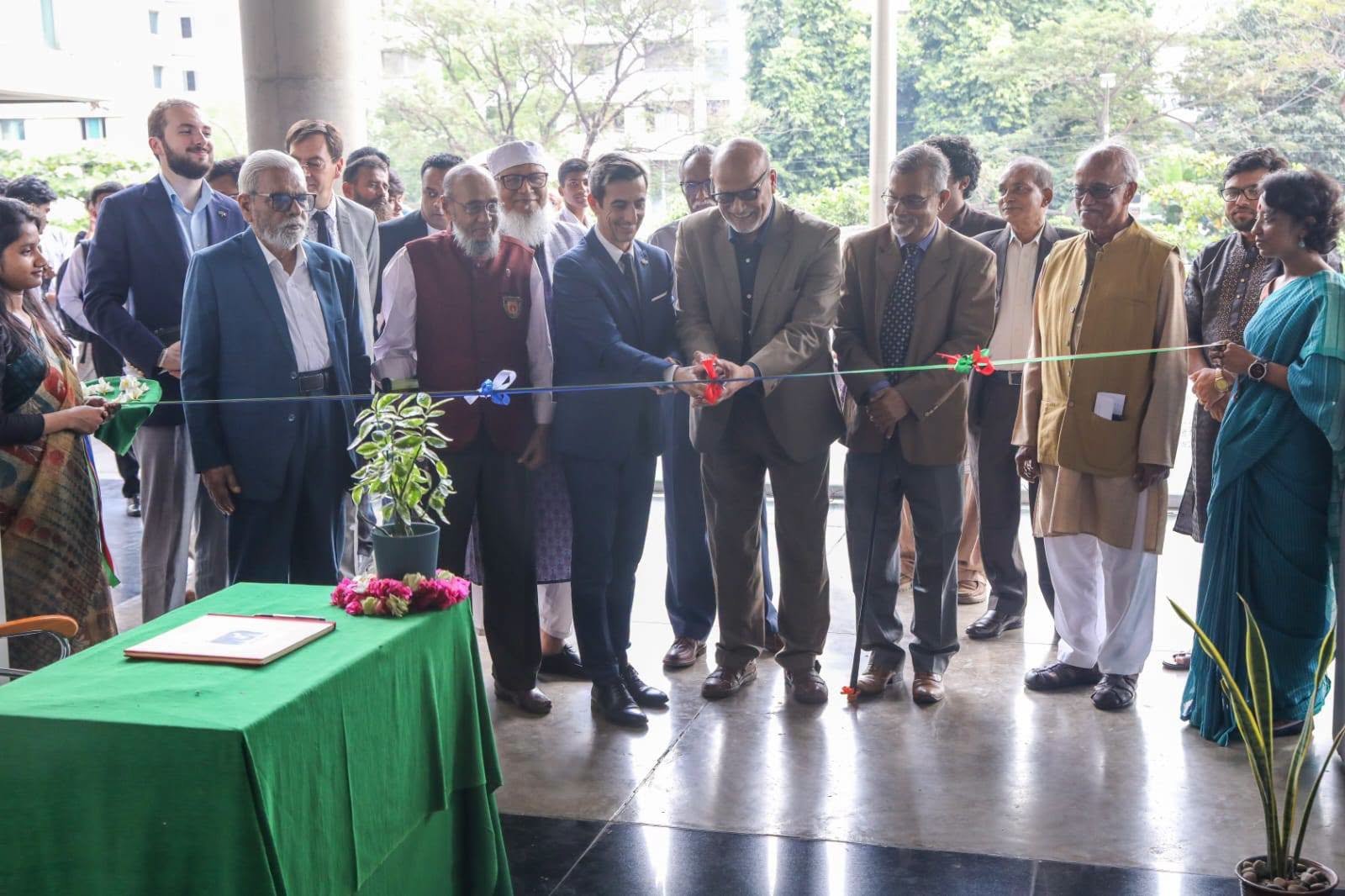
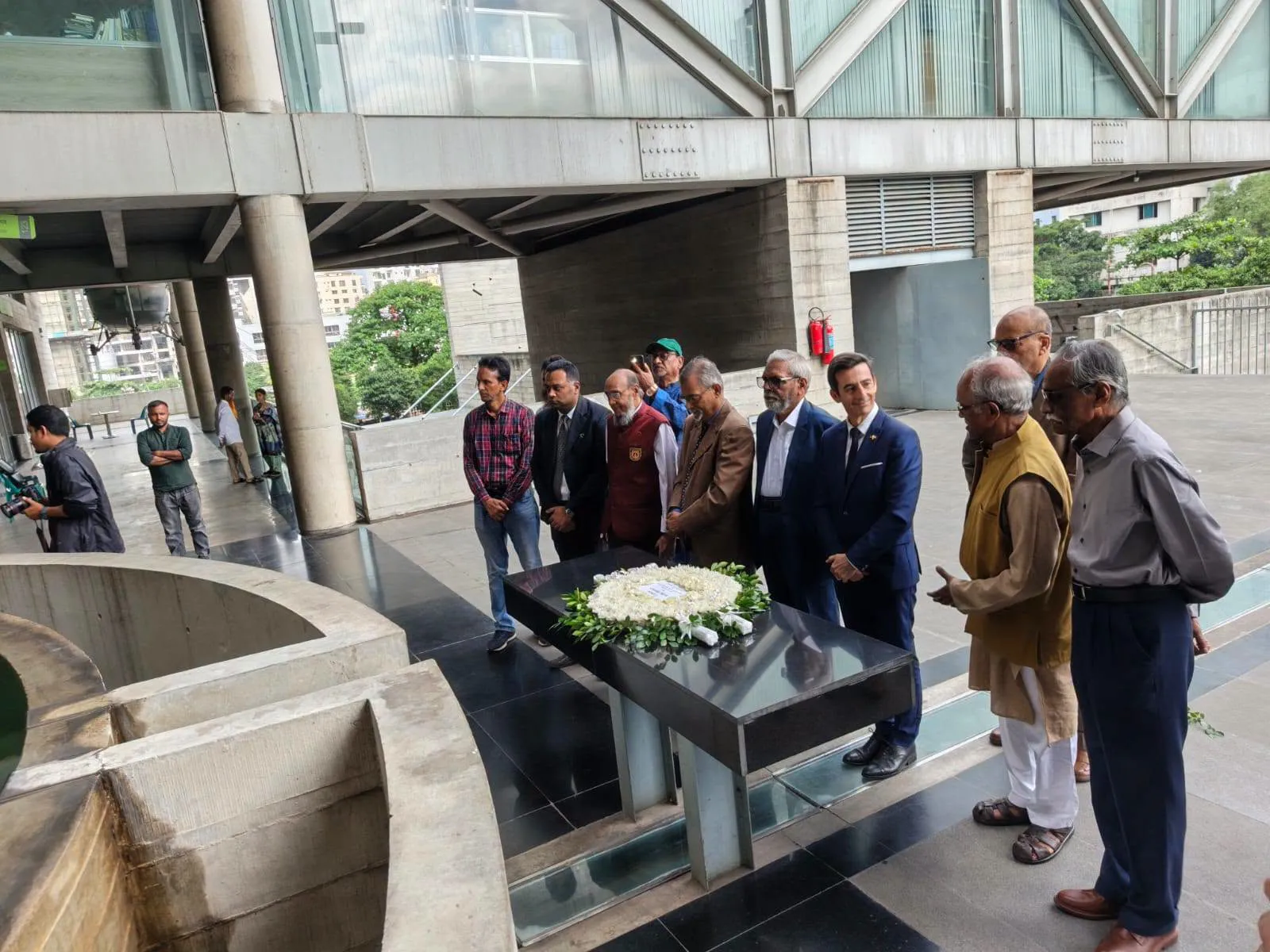
The exhibition was inaugurated on Sunday (November 22) at the Liberation War Museum in Dhaka, marking the 50th anniversary of André Malraux’s passing. Frédéric Inza, Deputy Head of Mission at the French Embassy in Bangladesh, inaugurated the exhibition as the chief guest. It will remain open to the public until December 2.
The inauguration ceremony was attended by a diverse group of individuals, including valiant freedom fighters, students, journalists, and other prominent figures. Mofidul Hoque and Tropa Majumdar, trustees of the Liberation War Museum, were also present.
André Malraux was a genuine friend of Bangladesh’s Liberation War and one of the most vocal international supporters of the country’s independence. In 1971, he took a firm stand in favor of Bangladesh’s right to self-determination; he even expressed an interest in initiating the formation of an international brigade to participate in the struggle for Bangladesh’s independence.
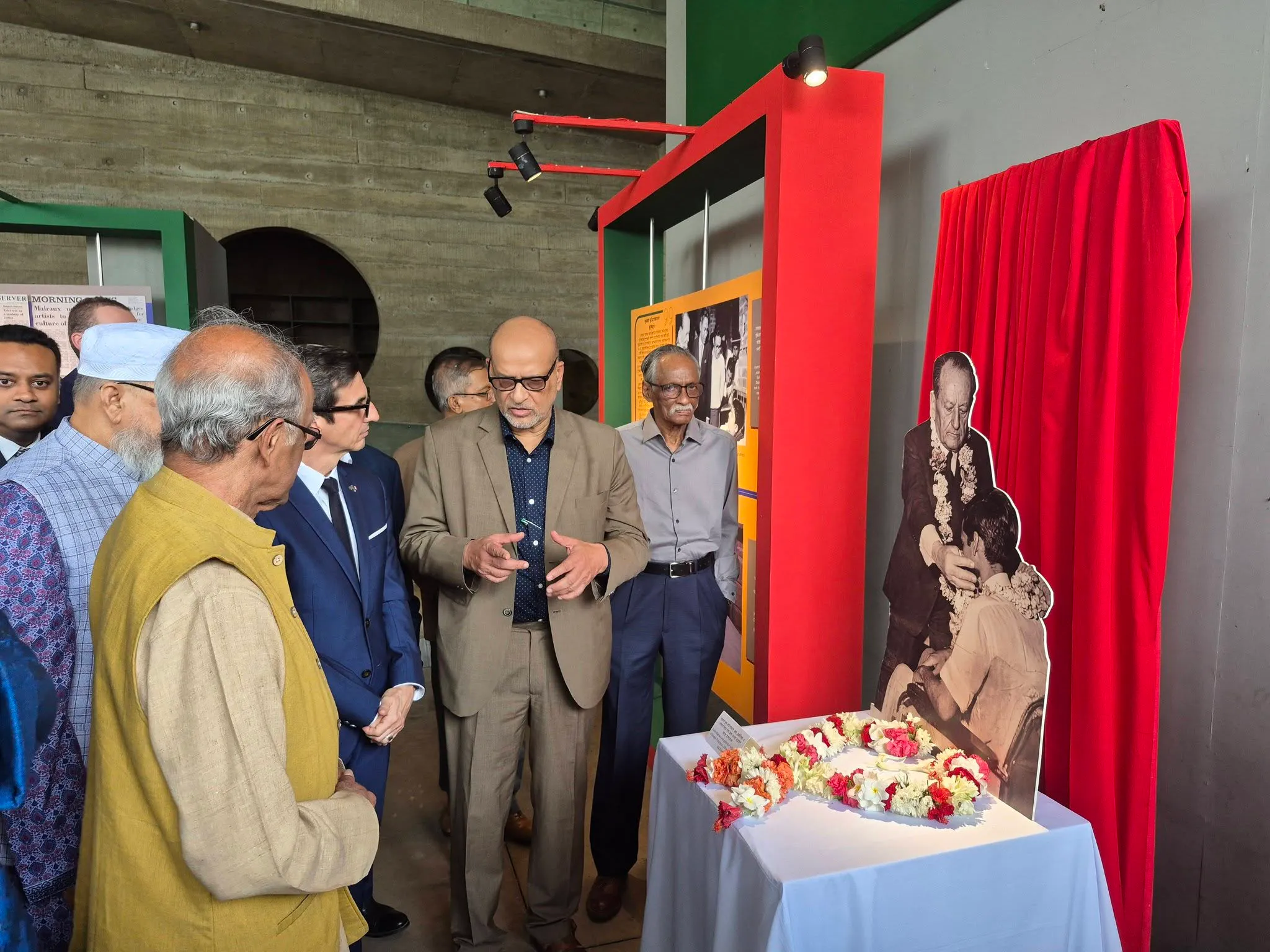
During his visit to Bangladesh in April 1973, Malraux visited wounded freedom fighters at Suhrawardy Hospital in Dhaka. He also visited several other locations, including the University of Dhaka and the University of Rajshahi.
A poignant encounter during this visit—between Malraux and a wounded freedom fighter—remains a memorable moment in the history of international solidarity with Bangladesh’s Liberation War. On behalf of his fellow fighters, the wounded freedom fighter honored Malraux by placing a garland of flowers around his neck. That freedom fighter, now Dr. Amjad Hossain, a professor in the Department of Orthopedics, was also present at Sunday’s inauguration.
Through this exhibition, the organizers aim to honor André Malraux’s remarkable solidarity, humanitarian stance, and contributions toward Bangladesh’s Liberation War, while also highlighting his historic role to the new generation.