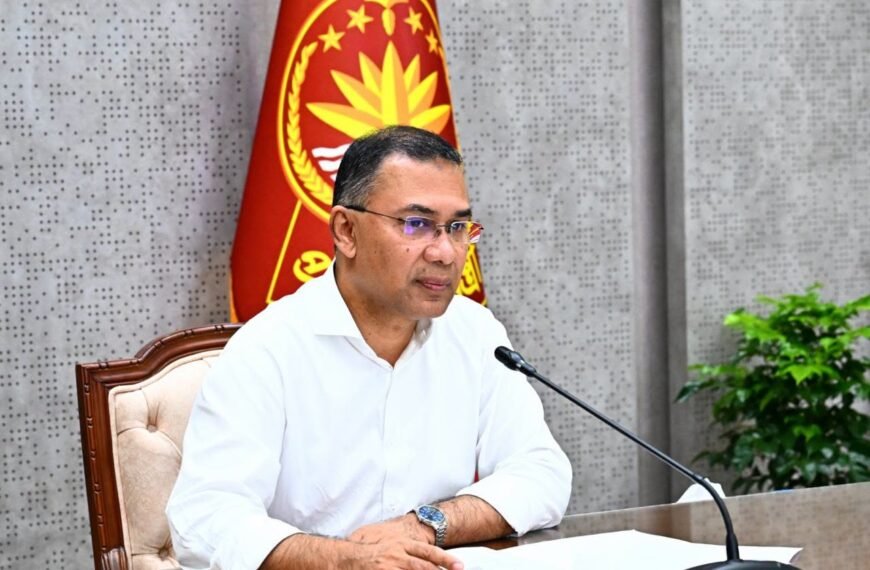
Syeda Rizwana Hasan, Advisor to the Ministry of Environment, Forests and Climate Change and the Ministry of Water Resources, said that reforms are underway in Bangladesh’s administrative and legal framework; however, time, consistent efforts and political stability are essential to bring about real change.
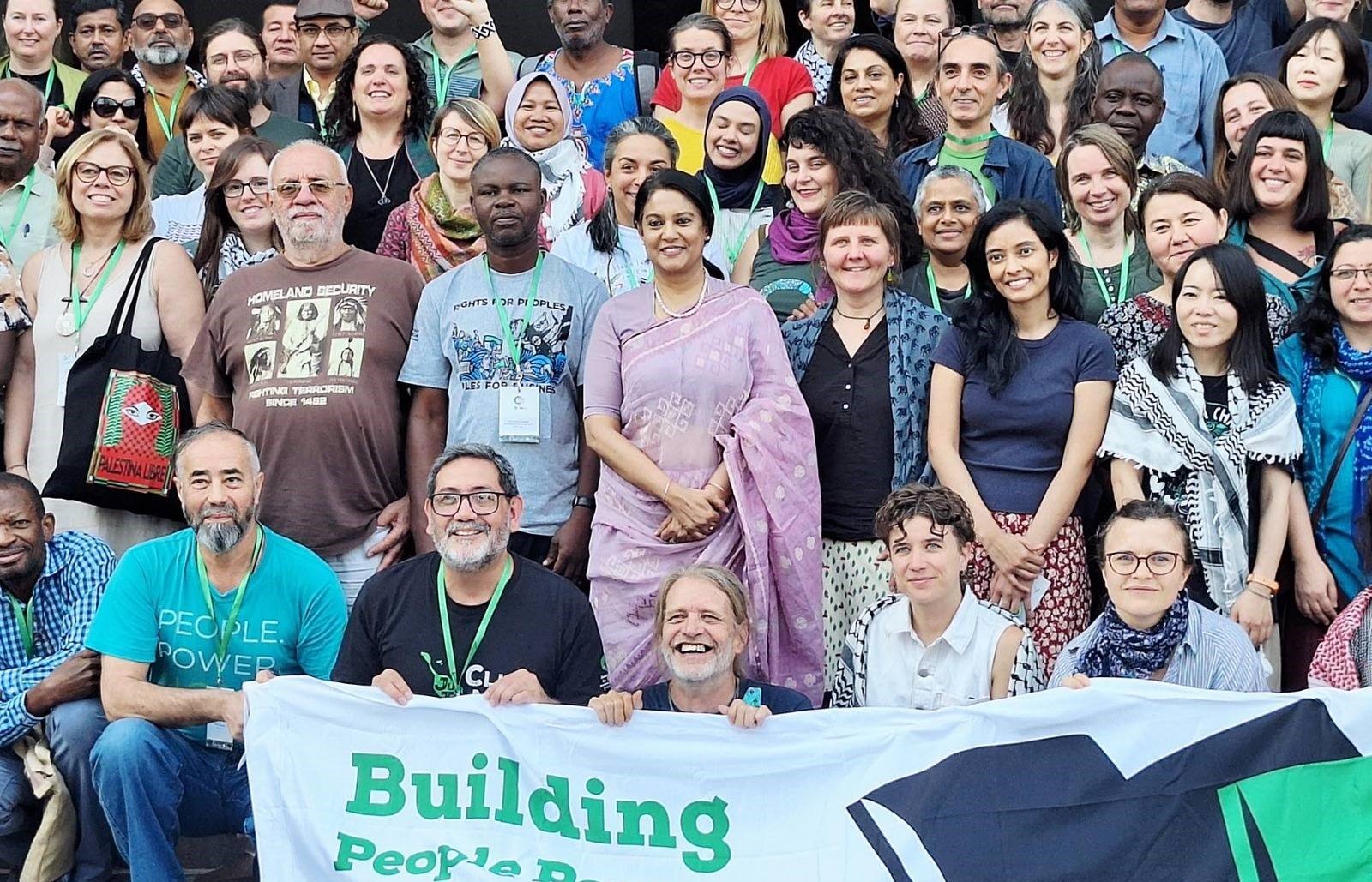
She said this while addressing the Friends of the Earth International’s biennial general meeting held at BRAC CDM in Savar on Wednesday (December 10, 2025) as the chief guest.
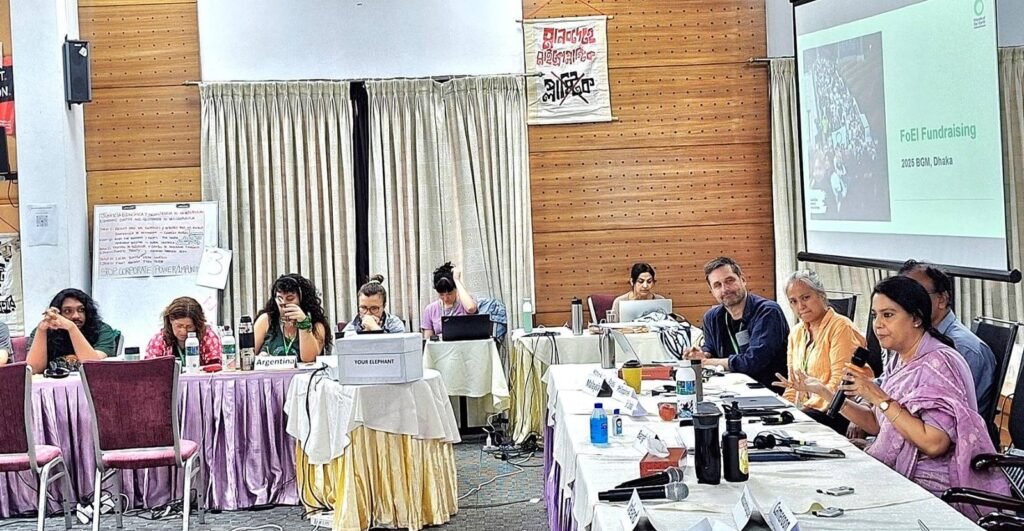
“We are bringing both the administration and legal framework under the ambit of change. But a country that ranks 179th out of 180 countries in the environmental index cannot reach 50th place in a year – it is not possible overnight.” She added that if Bangladesh works consistently for 5 to 7 years and moves closer to 73rd position, the next elected government will be able to take forward the activities on that basis.
The advisor said the current government inherited a nearly broken system. “The first task was to make it minimally effective and then initiate change. We have started the journey; the goal is far away. But important steps have been taken and these must be continued under a political government,” he noted.
On accountability, he highlighted the importance of ensuring justice for victims of political violence. He said a meaningful election was now a very important step. “The election will be held in February. We believe that people from all walks of life will participate in it,” he said.
On recent legal developments, he said two landmark laws on forest conservation have already been passed. These laws have banned new encroachment on natural forests and recognized forest-dependent communities. “A wetland conservation law will also be passed soon,” he expressed hope.
Pointing to the current environmental reality, the advisor said that the venue, Savar, has already been identified as an ecologically degraded area. “Bangladesh has been at the top of the global air pollution index for many years. It is not possible to change this in a year, but corrective measures have been initiated,” he commented. He also said that rehabilitation activities are being taken after identifying such degraded areas.
He also said that polluting brick kilns and other units in the area are being relocated after completing legal and administrative processes. “Workers will not be unemployed; they will be involved in agriculture-related work in the newly designated places,” assured the advisor.
He said that Bangladesh is no longer at the bottom of the environmental index due to the improvement of the urban environment and increased transparency of government institutions. “Communication between the government and citizens has increased, access to information has become easier, and the scope for expression and participation has expanded,” he said.
85 representatives from 62 countries are participating in this 11-day international conference.