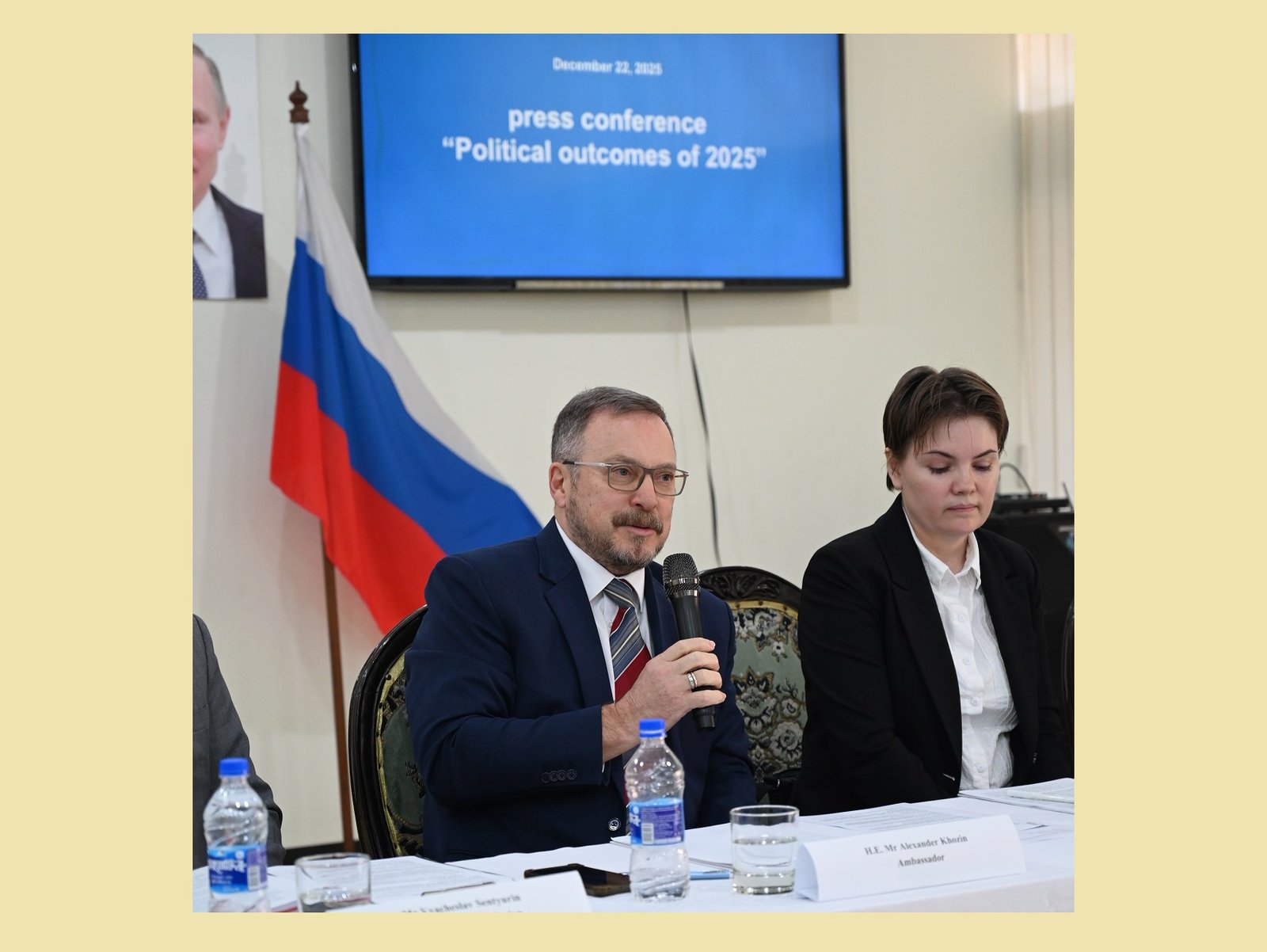
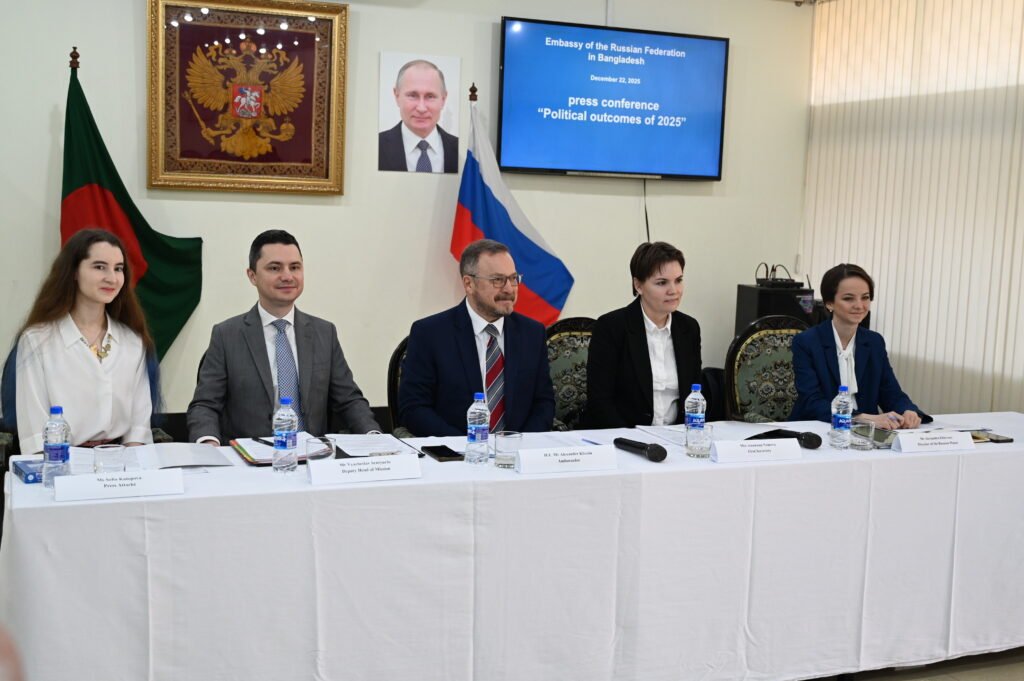
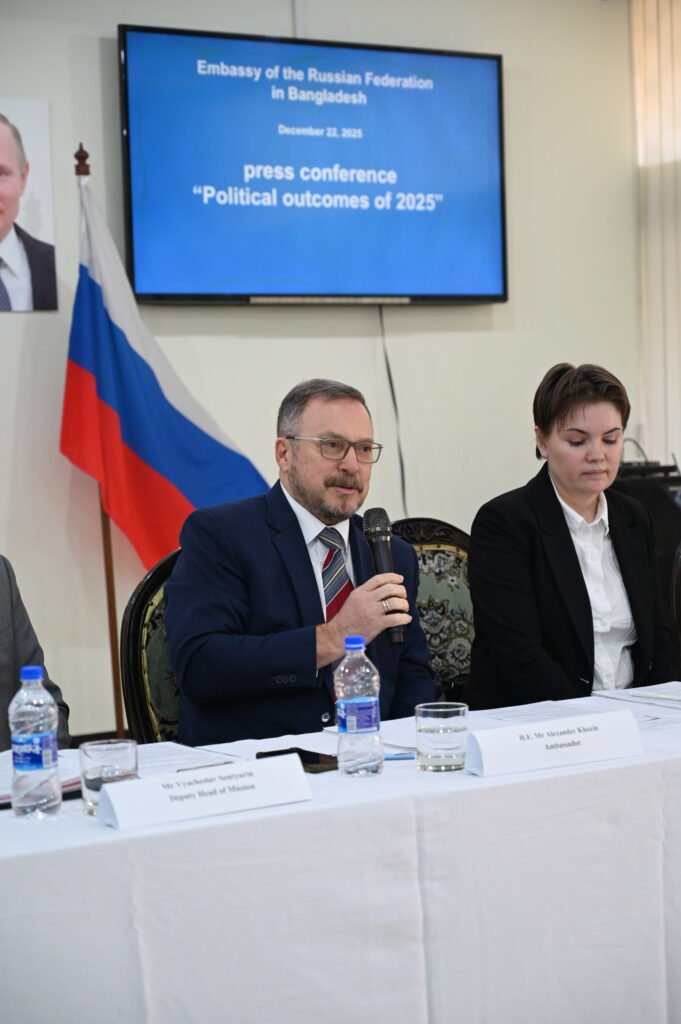
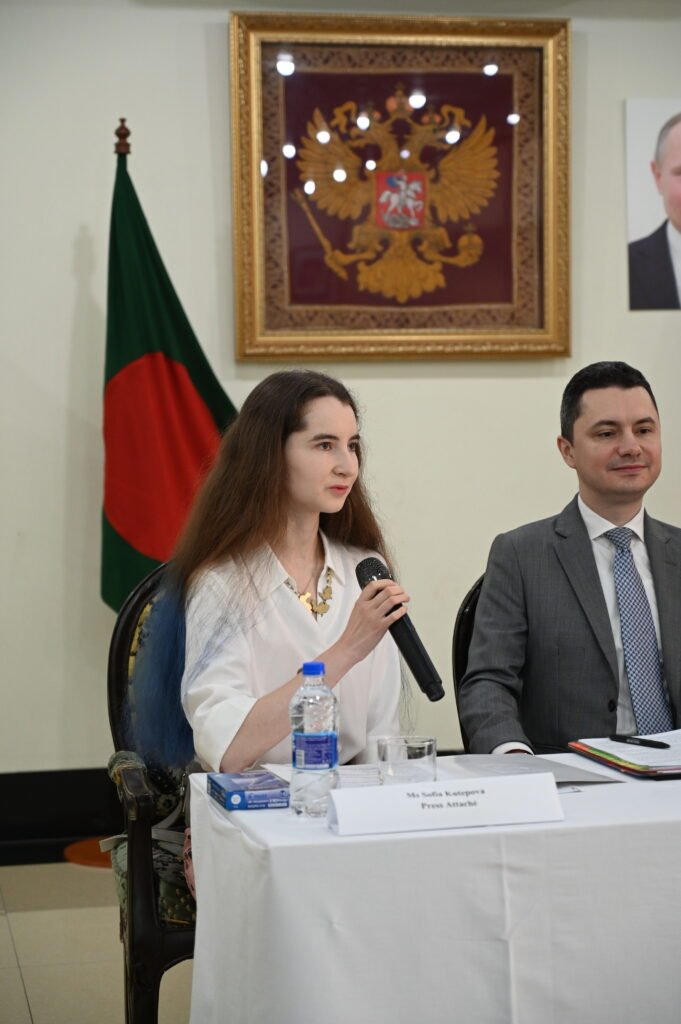
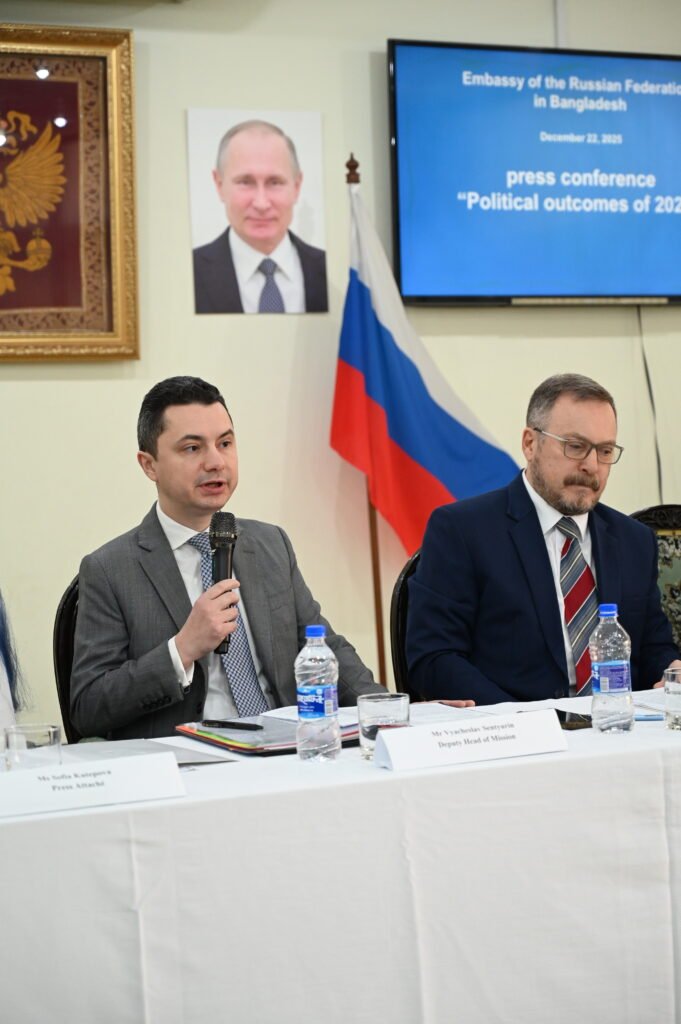
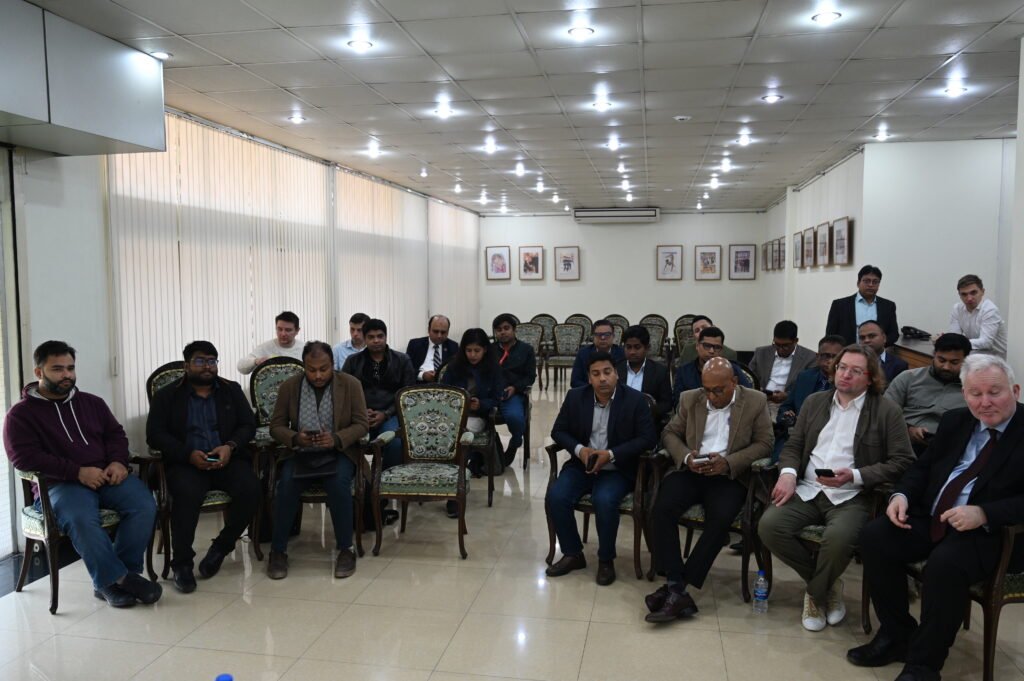
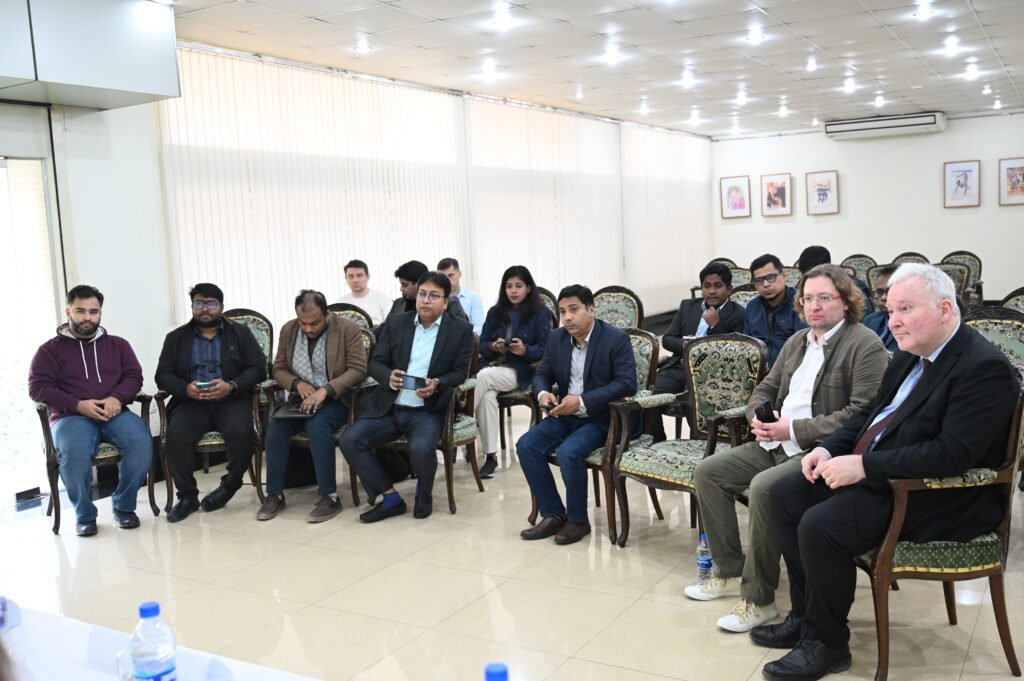
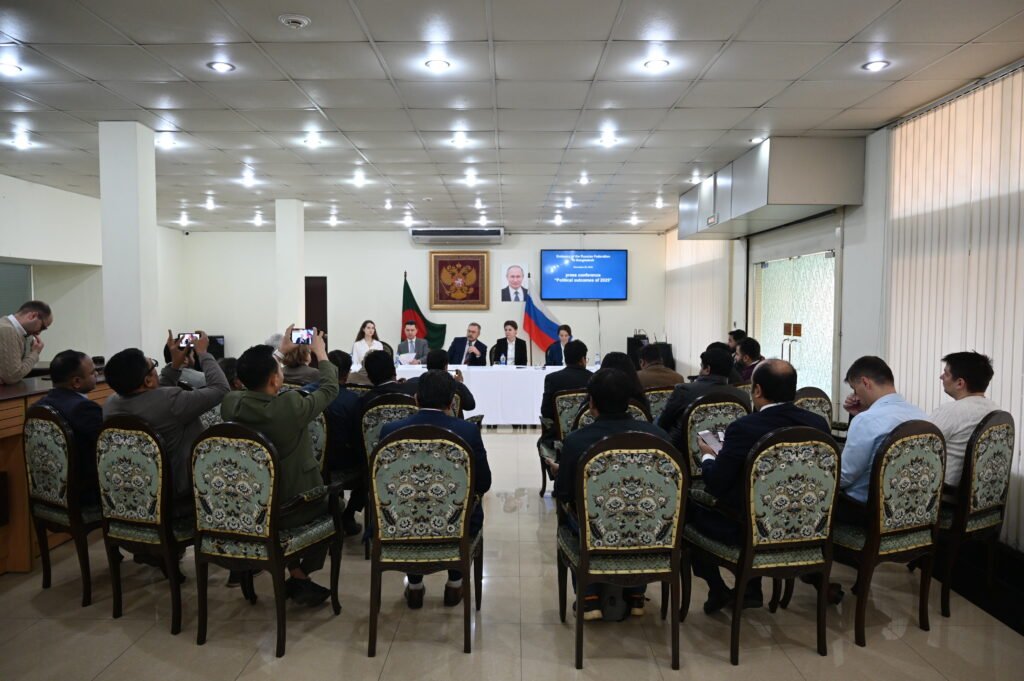
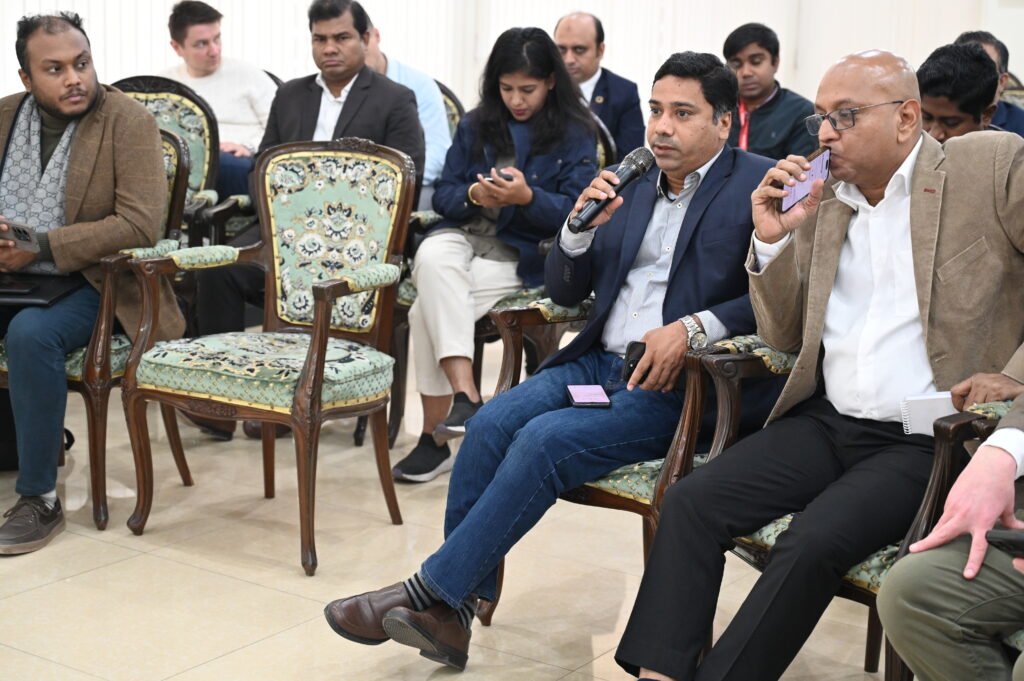
Russian Ambassador Alexander Khojin, in a press briefing titled “Political Results of 2025” on Monday (December 22, 2025), highlighted the progress of the Rooppur Nuclear Power Project and the project as a symbol of the success of Bangladesh-Russia relations. The ambassador said that the Rooppur Nuclear Power Plant will not only generate electricity, but will also usher in new horizons in technology, efficiency and safe energy production in Bangladesh.
The Rooppur Nuclear Power Plant (RNPP) is the first basic power generation project in Bangladesh, which is being built in collaboration with Russia’s state-owned nuclear technology corporation Rosatom. After a long construction phase, the project has now reached its final stage. Two VVER‑1200 units with a total capacity of 2,400 MW are being built at the Rooppur project, which will enable Bangladesh to contribute to energy security and the electric grid as planned.
In mid-year, Rosatom announced that the commissioning of the main and auxiliary transformers for Unit 1 of the Rooppur NPP has been completed, a significant milestone on the road to connection to the national grid. These dual-mode transformers are capable of receiving power from both the national grid and the plant’s own generators, bringing Rooppur closer to readiness.
While there have been occasional reports and questions about the safety of the Rooppur project, authorities and relevant institutions have repeatedly assured that the safety standards prescribed by the International Atomic Energy Agency (IAEA), the Bangladesh Atomic Energy Commission (BAEC), and the Bangladesh Atomic Energy Regulatory Authority (BAERA) are being met and that operations of both units will only begin once the highest safety assurances are provided.
Ambassador Khojin said that the Rooppur project will not only strengthen Bangladesh’s power grid, but also lay a strong foundation for long-term cooperation between the two countries, building skilled manpower, and increasing investment in high technology. He expressed hope that through the implementation of this project, Bangladesh will be elevated to the status of an internationally recognized nuclear energy producing country and will play a major role in the quality of life and economic expansion of the country’s people.