Desk Report:
Prime Minister Tareque Rahman has directed the relevant ministries, the administration, and law enforcement agencies to take strict measures to maintain law and order and prevent any form of instability within the ready-made garment (RMG) sector. Furthermore, instructions have been issued to take immediate action against any attempts to disrupt the economy or the export sector through incitement, sabotage, or conspiracies—whether originating from within the country or abroad.
The Prime Minister has also emphasized the need for ministers, state ministers, and public representatives to remain active in their respective constituencies to ensure the situation remains stable. A warning has been issued that those who fail to fulfill their responsibilities will be held accountable.
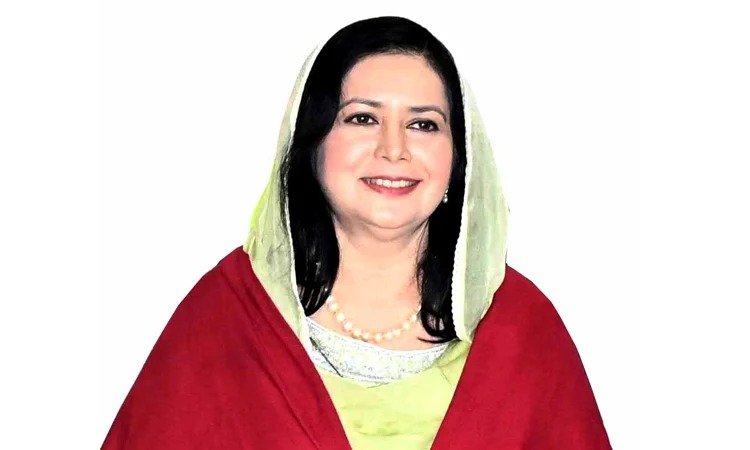
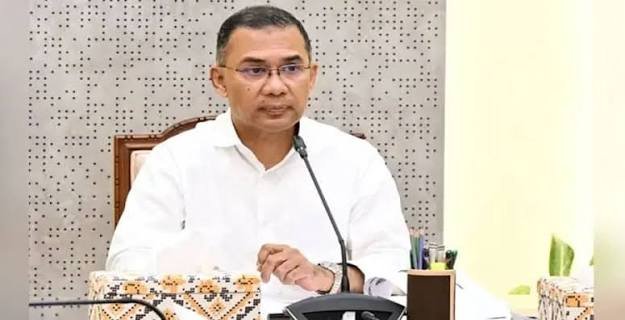
The Prime Minister provided these directives during a cabinet meeting held yesterday in the Cabinet Division conference room at the Bangladesh Secretariat. She presided over the nearly two-hour-long meeting, which took place from 9:30 AM to 11:30 AM and was attended by ministers, state ministers, and relevant government officials.
The meeting included detailed discussions on the recent instability in the RMG sector, labor unrest, the state of law and order, and the country’s political landscape. The government has placed the highest priority on ensuring that production and supply chains within the garment industry—the nation’s primary export sector—remain operational and stable.
It was noted during the meeting that the Minimum Wage Board was constituted ahead of schedule, taking into account the legitimate demands of the workers and the need to improve their standard of living. The third meeting of the Wage Board is scheduled to take place today. It was discussed that acts of violence, vandalism, or the blocking of roads—carried out under the guise of labor protests while the wage-setting process is still underway—could further complicate the situation.
The government has stated that there is ample opportunity to resolve workers’ grievances through dialogue. However, it warned that action will be taken against any party that attempts to exploit labor protests to incite instability within the garment industry.
During the review of the law and order situation, intelligence reports and field-level assessments were presented to the cabinet. It was reported that certain miscreants, along with members of banned political parties and extremist elements, are attempting to incite chaos by hiding among the general workforce. The meeting also addressed attempts—originating both from within and outside the country—to incite actions that could hinder the national economy and export trade. Directives have been issued to identify such activities and take prompt legal action.
The meeting further discussed the activities of members and leaders of the banned Awami League and its affiliated organizations. The government has stated that no banned political entity will be permitted to disrupt public security or be given an opportunity to become active again.
Relevant agencies have been instructed to remain vigilant regarding such activities to ensure national stability and public security.
Law enforcement agencies have been directed to take strict legal action against anyone involved in acts of vandalism, arson, road blockades, the creation of public hardship, or sabotage under the guise of labor movements.
Additionally, instructions have been given to identify and bring to justice those—whether from within or outside the country—who are involved in conspiracies or incitement aimed at destabilizing the garment sector or the broader political landscape.
To maintain normalcy across the country, the Prime Minister has directed ministers, state ministers, and Members of Parliament to remain in their respective constituencies and play an effective role. Emphasis has been placed on the responsibility of public representatives to ensure that law and order and daily life remain stable in their areas.
A warning has also been issued that those who fail to fulfill their responsibilities will be held accountable.
The police and other law enforcement agencies have been instructed to remain on high alert and highly active to ensure the normal daily lives of the public and to protect lives and property.
Great importance has been placed on preventing the spread of rumors, propaganda, and misleading information—including via social media—that could incite panic or unrest among the public. Directives have been issued to increase surveillance against such activities and to take legal action as necessary.
The meeting placed special emphasis on preventing any form of deadlock in the garment sector and ensuring that production activities continue without interruption. Intelligence agencies and relevant authorities have been instructed to remain vigilant—ensuring that while the legitimate demands and rights of workers are duly addressed, no external group is able to exploit them to incite industrial vandalism or instability.
Maintaining the normal functioning of production and supply chains within the garment industry is considered vital for the country’s economic stability.
The cabinet meeting also emphasized the importance of fostering an environment of trust between industrial owners and workers. Relevant ministries, the BGMEA, and other industry-related organizations have been urged to act responsibly, taking into account the interests of both workers and employers.
Directives were also issued to ensure the effective functioning of the Labour Welfare Board and the Wage Board. Emphasis was placed on reaching realistic solutions regarding workers’ demands and expectations through dialogue.
During the cabinet meeting, the Prime Minister provided necessary instructions to members to accelerate the pace of government operations. Ministers and State Ministers in charge of various ministries presented updates on the progress of key initiatives within their respective departments.
Additionally, cabinet members were briefed on the annual meetings of the World Bank and the International Monetary Fund (IMF). The meeting included discussions and reviews of various government policy matters, such as the VAT law, a proposal to reduce duties on date imports, and the Joydebpur-Mymensingh dual-gauge railway line project.
Overall, the meeting placed the highest priority on maintaining a stable law-and-order situation in the country, ensuring the continuity of production in the garment industry, and preventing any form of stagnation in economic activities.