Desk Report:
Tarique Rahman has called for strengthening national unity to ensure that no one can ever usurp Bangladesh’s independence, sovereignty, or the rights of its people, or reduce the nation to a subservient state.
He stated, “Let the primary pledge for this November 7 be to ensure that no one can ever strip away the nation’s independence and sovereignty or the rights of its people, turning Bangladesh into a subservient state.”
He emphasized that there is no alternative to national unity in achieving this goal. Given the socio-economic, geographical, and political realities of Bangladesh, fostering such unity requires fully embracing the spirit of the ‘Soldiers-People Revolution’ (Sipahi-Janata Biplob).
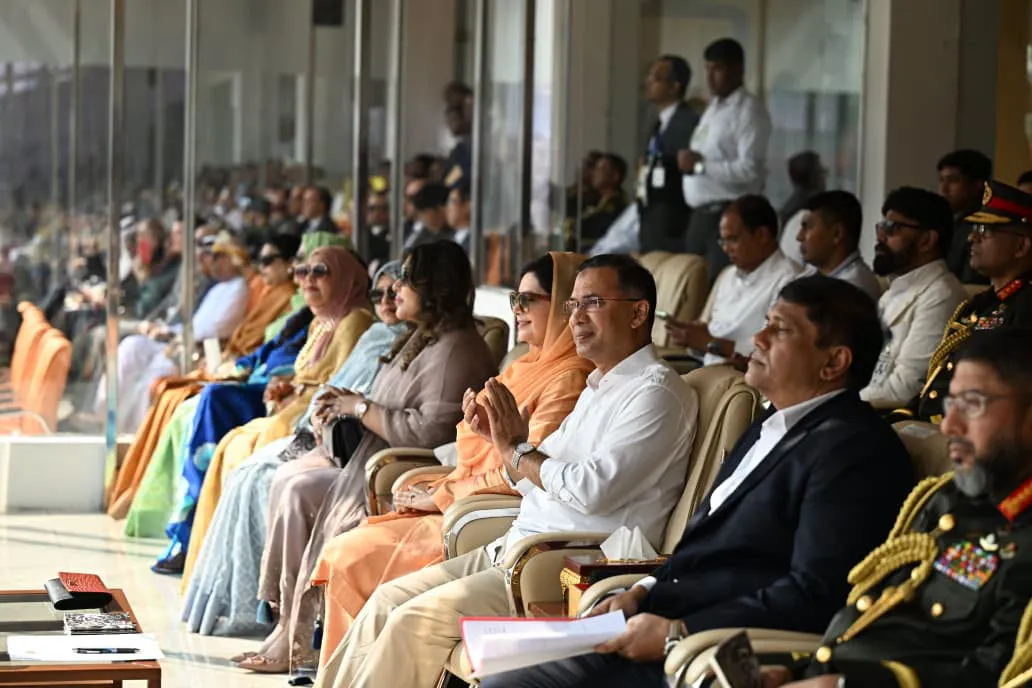
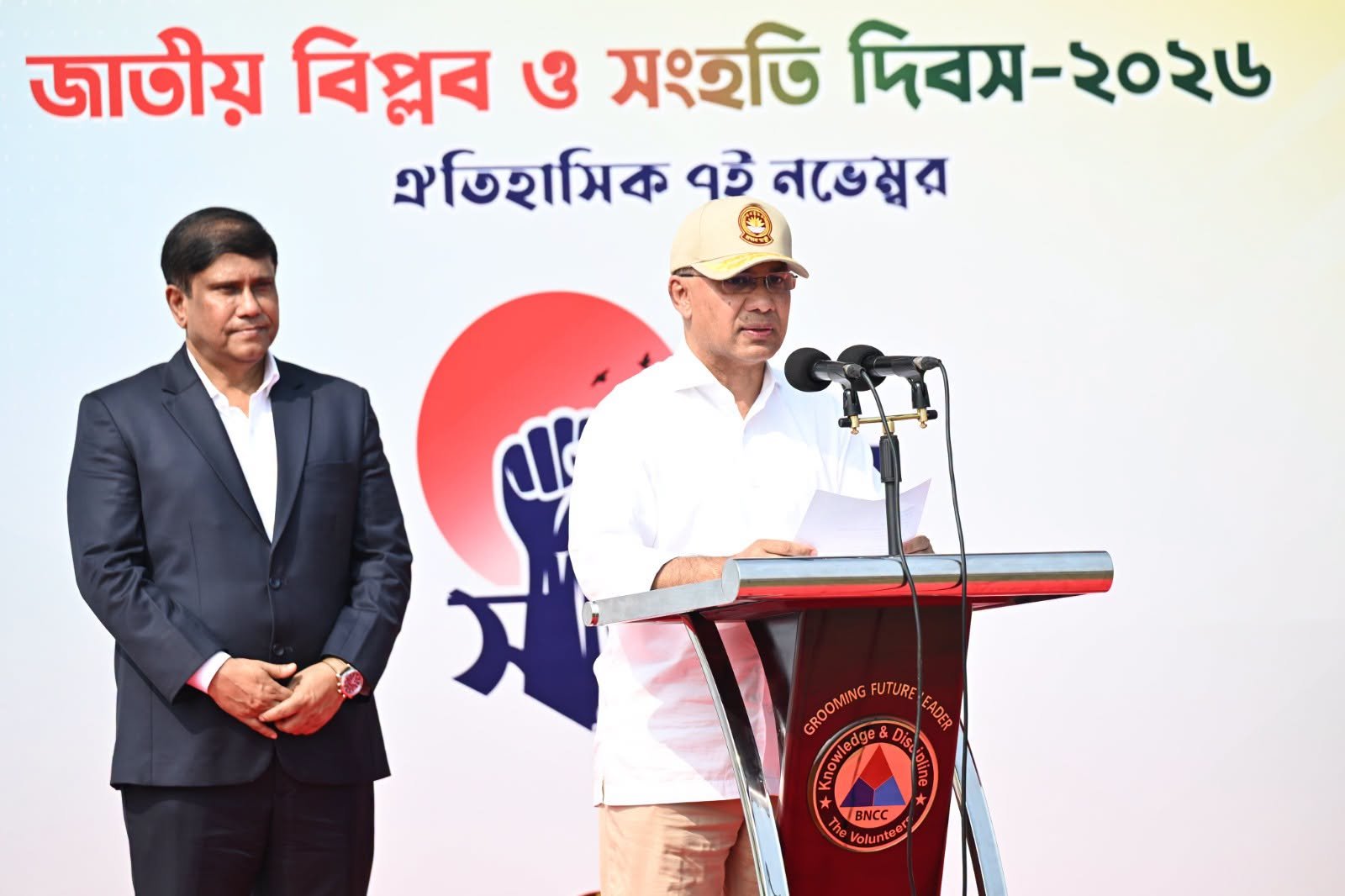
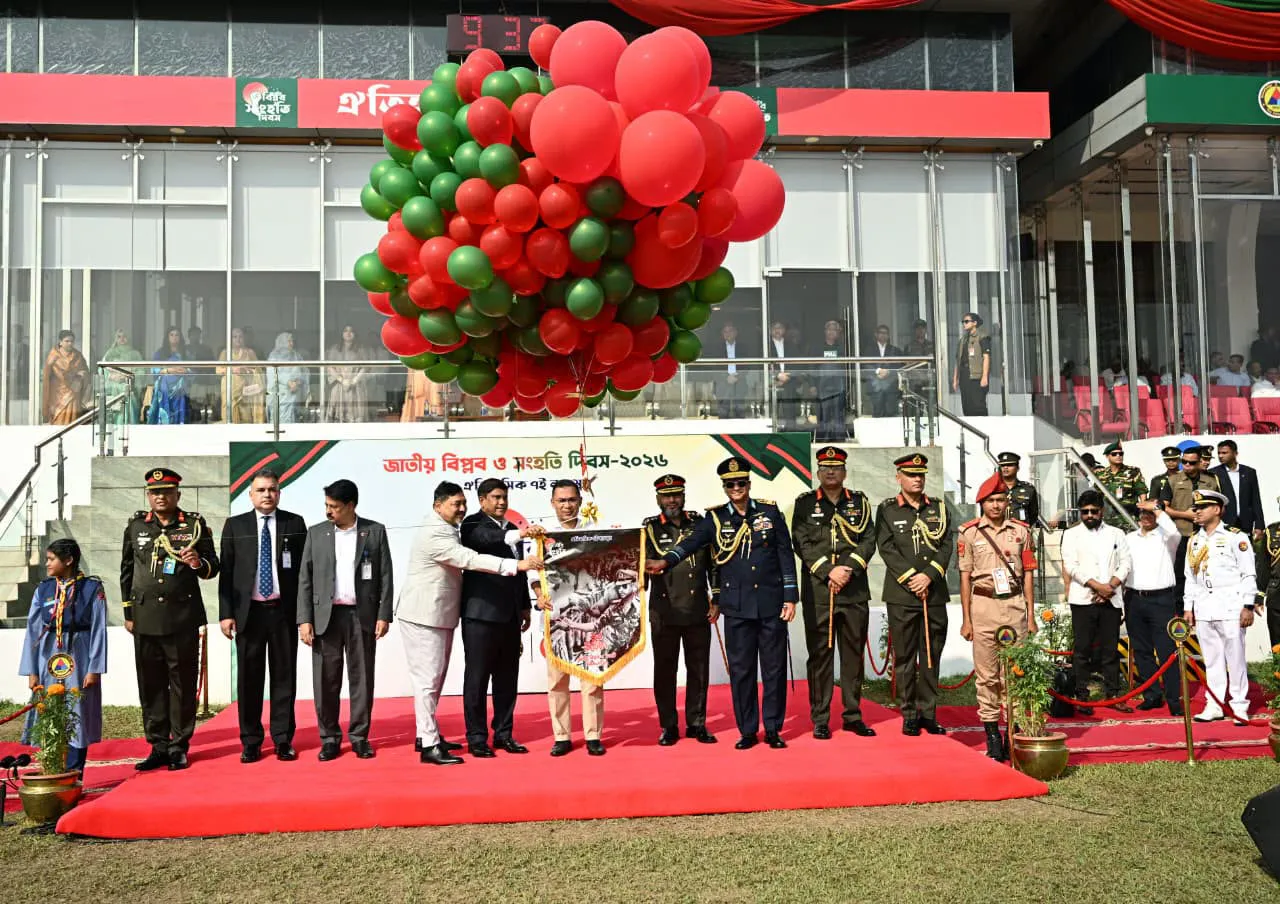
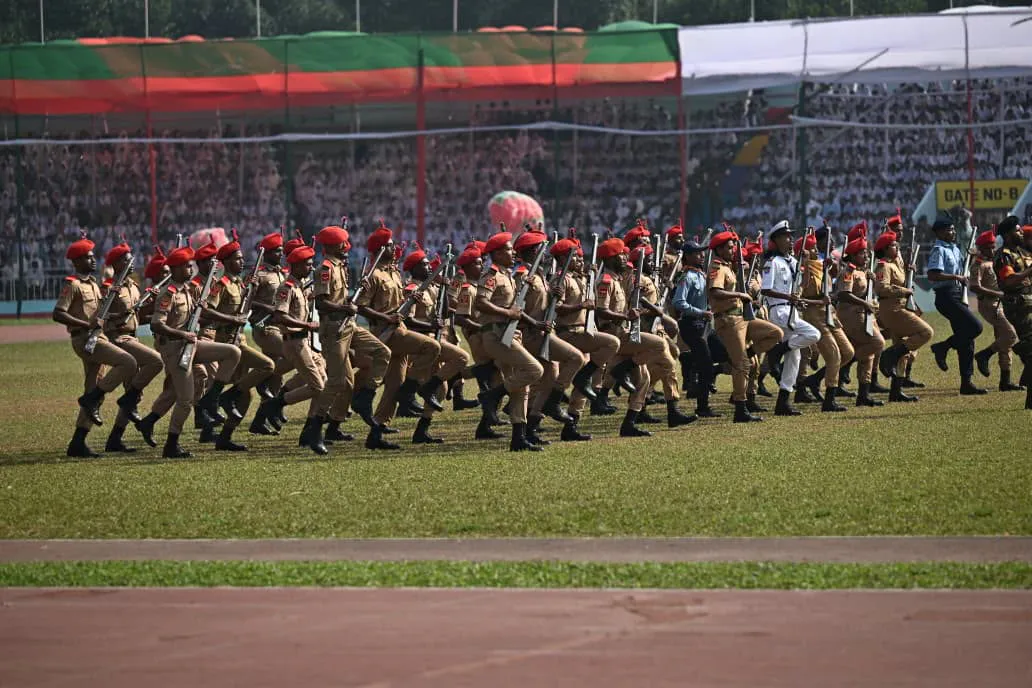
He made these remarks while speaking as the chief guest at an event held at the Army Stadium in Banani, Dhaka, today, Saturday (November 7), to mark the historic ‘National Revolution and Solidarity Day.’
He noted that the Great Liberation War of 1971, the ‘Soldiers-People Revolution’ of November 7, 1975, the anti-autocracy movement of 1990, and the anti-fascist mass uprising of 2024—each of these historic events demonstrates that the people of Bangladesh have never compromised on national interests, independence, or sovereignty. For them, Bangladesh stands above all else.
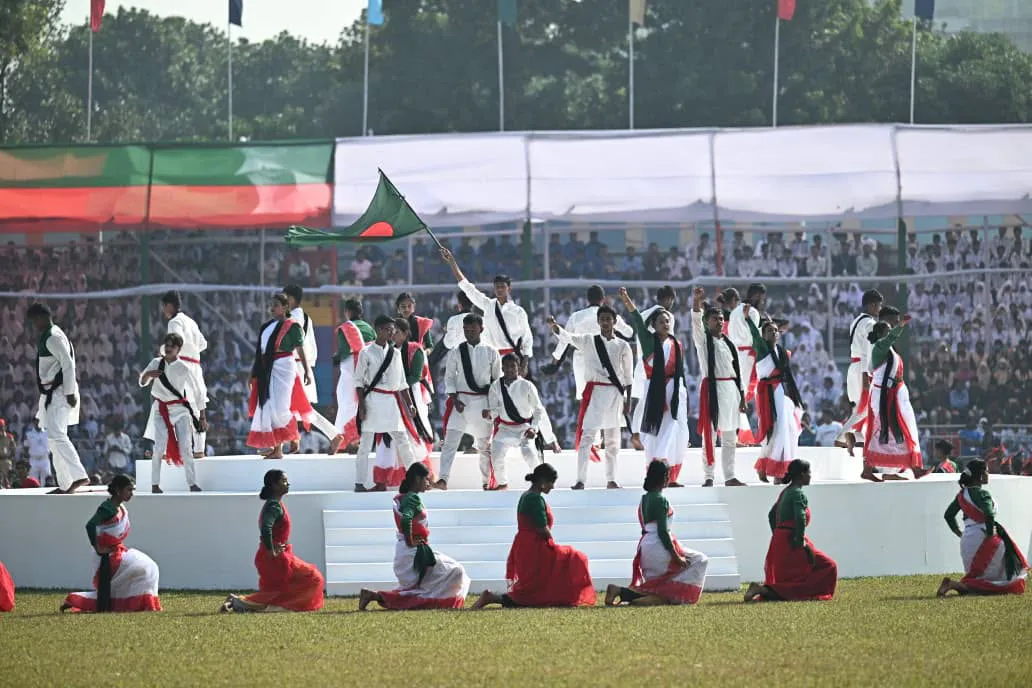
Describing November 7 as a day of immense significance and pride for those who are patriotic, cherish independence, and value democracy, he recalled that on this day in 1975, patriotic soldiers and the public united to thwart conspiracies aimed at undermining Bangladesh’s independence and sovereignty.
He further explained that in the first week of November 1975, conspiracies against Bangladesh reached a critical point. Consequently, on the night of November 3, the then-Army Chief, Lieutenant General Ziaur Rahman, and his family were placed under house arrest. The soldiers and the public united to resist the plot that had been set in motion—a plot that sought to serve interests contrary to the nation’s well-being by holding the proclaimer of independence captive. Paying deep tribute to the late President Ziaur Rahman, the Prime Minister remarked that just as he stood for the nation’s independence and sovereignty on November 7, 1975, he had similarly declared independence in 1971 and fought on the front lines.
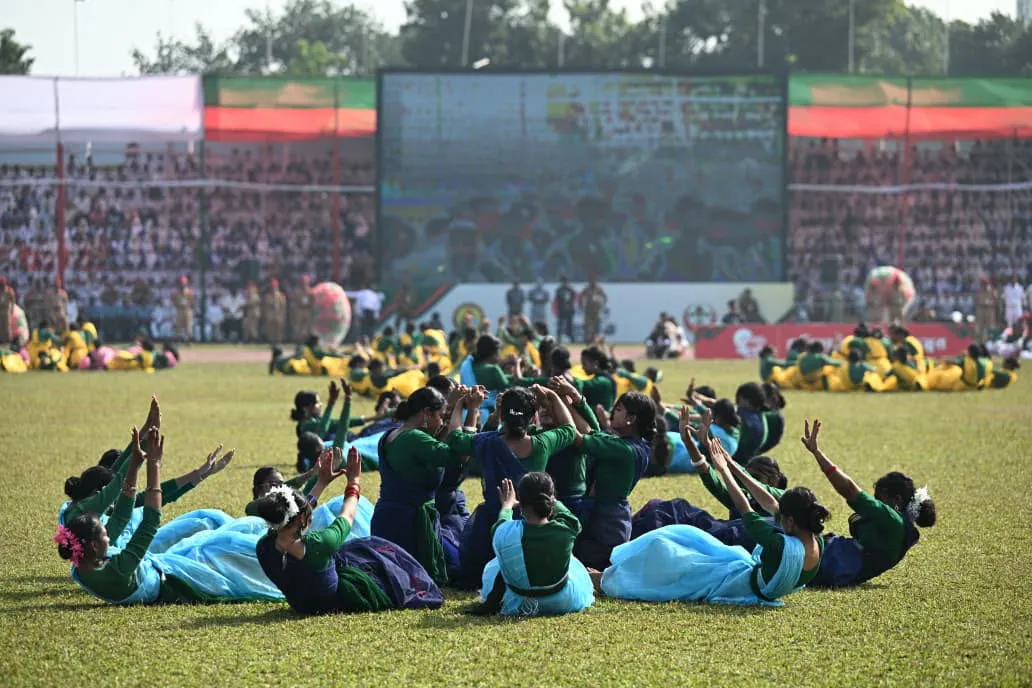
Addressing the younger generation, the Prime Minister stated that the history of a nation is more than just a recollection of the past; accurate history serves as the foundation for a nation’s self-identity and self-respect, and acts as an inspiration for shaping its collective future. A notable aspect of this year’s event is that thousands of adolescents and young adults have highlighted the historical context of Bangladesh, centered around the significance of November 7.
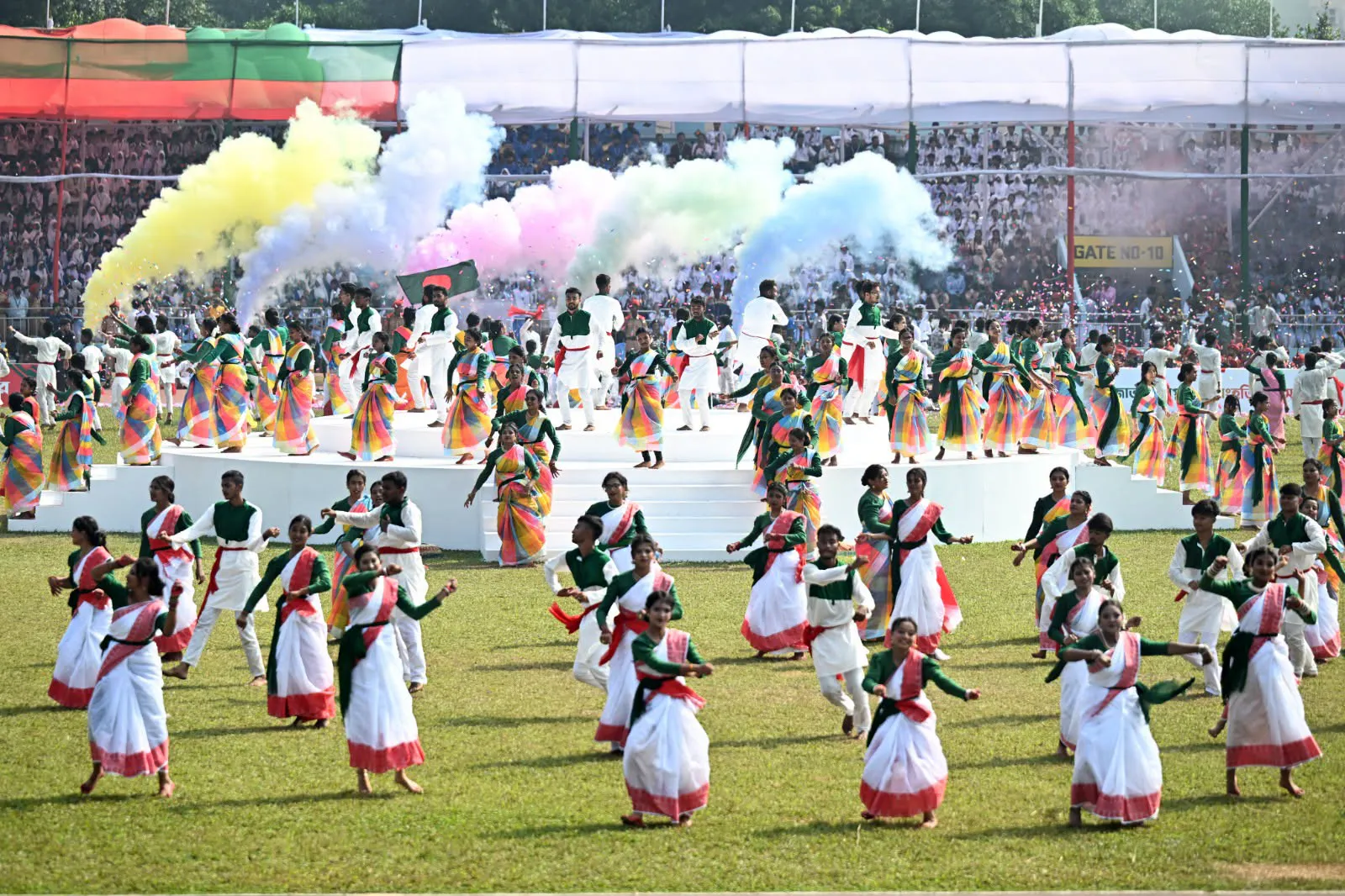
She emphasized that if the new generation remains united, inspired by the spirit of November 7, Bangladesh will never lose its way. A nation whose youth are not inspired by nationalism cannot achieve strong unity among its people.
The Prime Minister further noted that the attainment of independence is a historic achievement—a source of great pride. It is the responsibility of every generation to uphold the banner of this achievement and ensure that independence remains meaningful. In particular, the youth must embrace the core ideals of independence and dedicate themselves to building a safe, prosperous, humane, and dignified Bangladesh.
Stressing the importance of ensuring an environment conducive to the development of the youth’s potential, the Prime Minister—speaking in the role of a guardian—reaffirmed that the current government remains committed to building a prosperous future.