Business Desk:
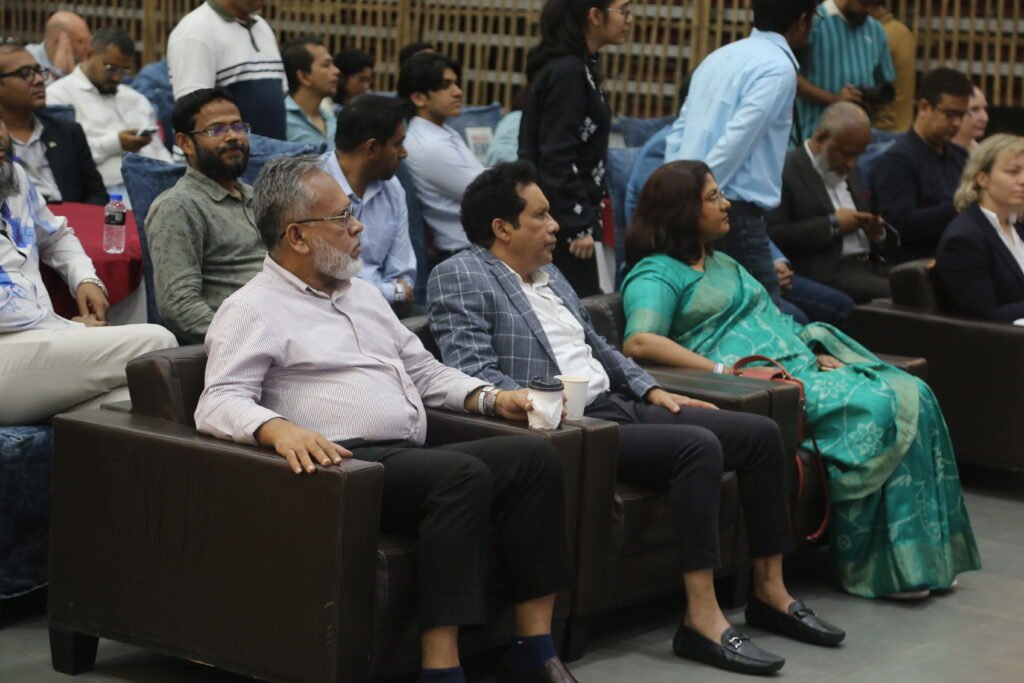
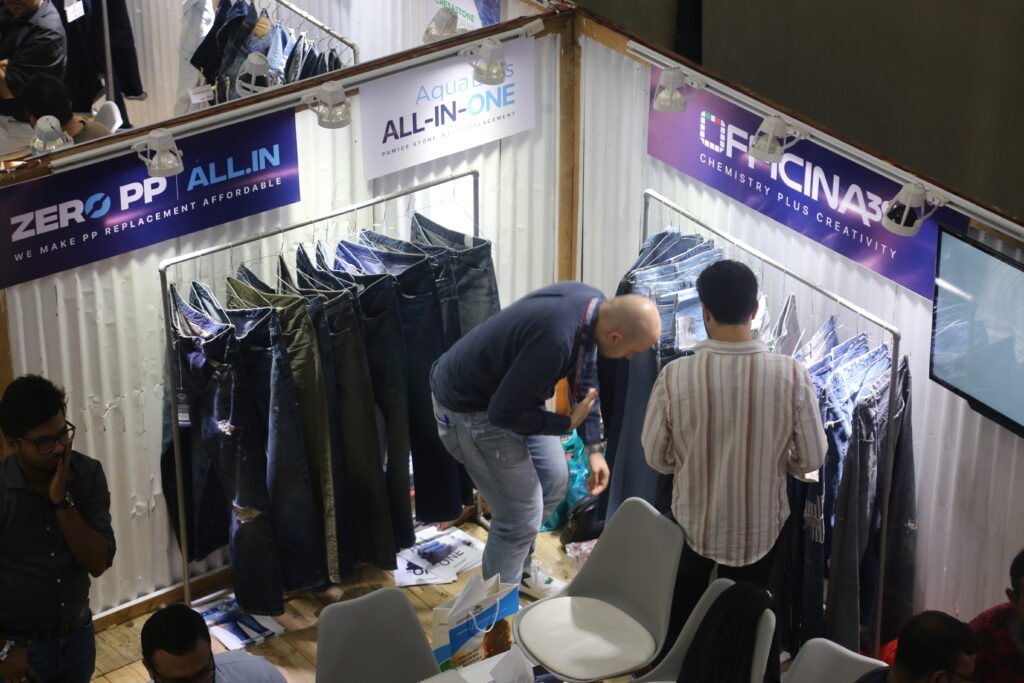
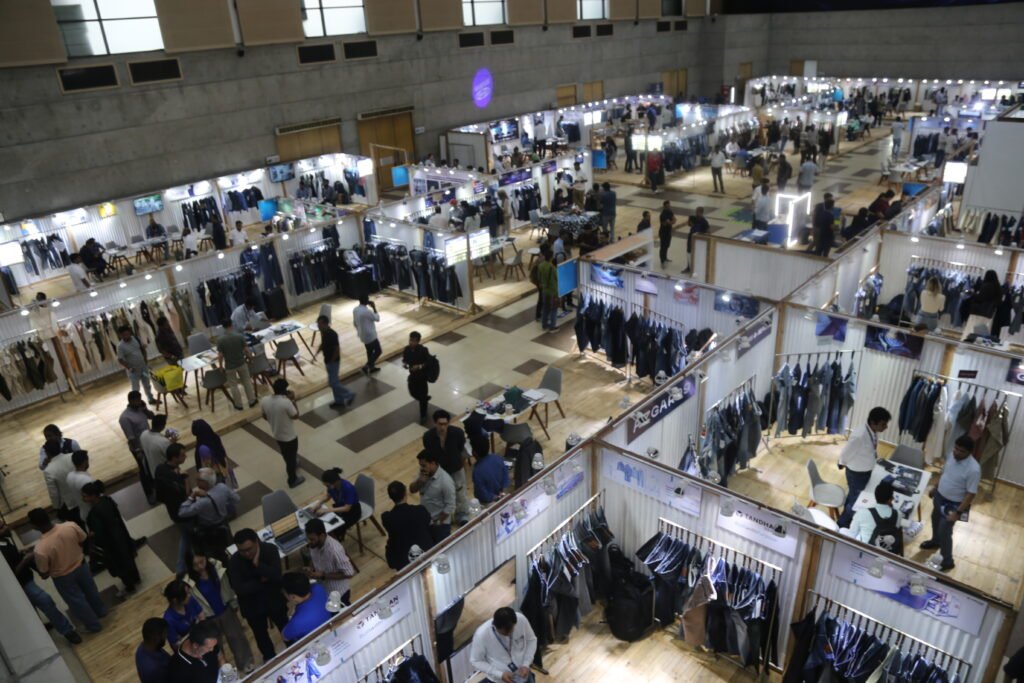
The 20th Bangladesh Denim Expo has begun at the capital’s International Convention City Bashundhara (ICCB) with the theme ‘Frontline to Future’. Industry and trade stakeholders from different countries of the world are participating in this two-day international event. The future of Bangladesh’s denim and ready-made garment industry is being discussed here in the context of the changing global economic reality.
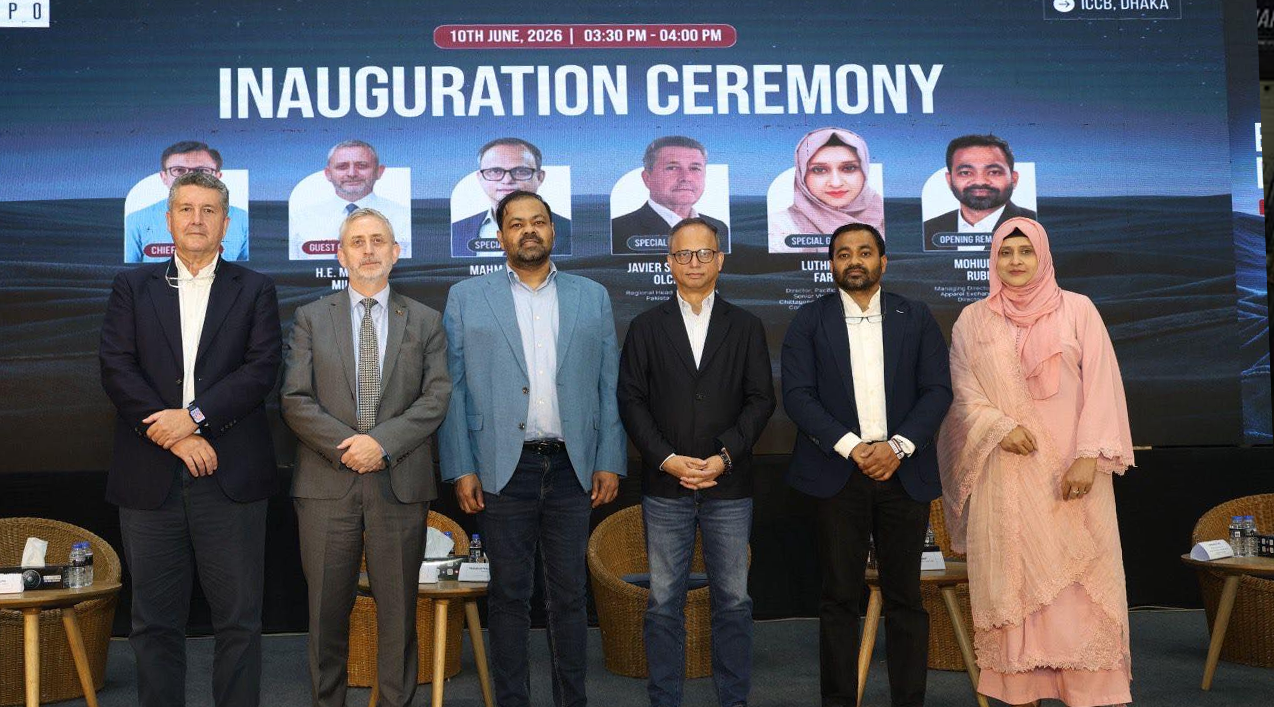
The inaugural ceremony was attended by Luthmela Farid, Director of Pacific Jeans, Mohiuddin Rubel, Managing Director of Bangladesh Apparel Exchange and former Director of BGMEA, Javier Santonja Olsina, Regional Head of Inditex Bangladesh and Pakistan, Javier Santonja Olsina, President of BGMEA, Mahmud Hasan Khan Babu, Ambassador and Head of Delegation of the European Union to Bangladesh Michael Miller, and Founder and CEO of Bangladesh Denim Expo, Mostafiz Uddin.
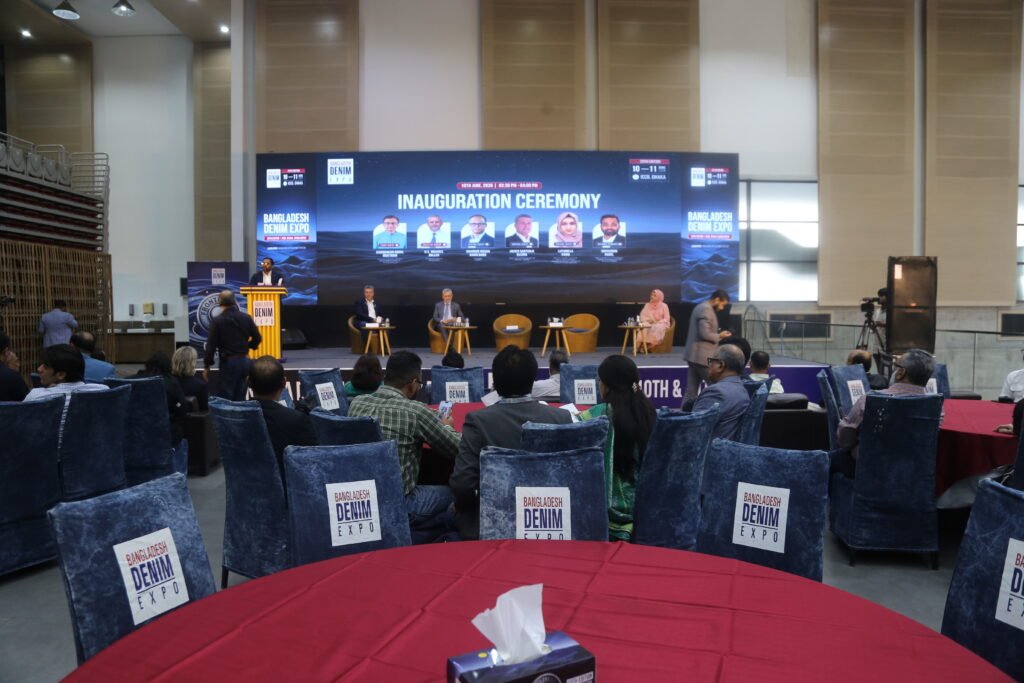
In his opening remarks, EU Ambassador Michael Miller outlined the EU’s vision for a new phase of Bangladesh’s economic progress. He said that Bangladesh is now at a crucial juncture of economic development, where creating quality jobs, developing skilled human resources, attracting high-quality investment, diversifying the economy, transitioning to clean energy and preparing for LDC transition are of utmost importance.
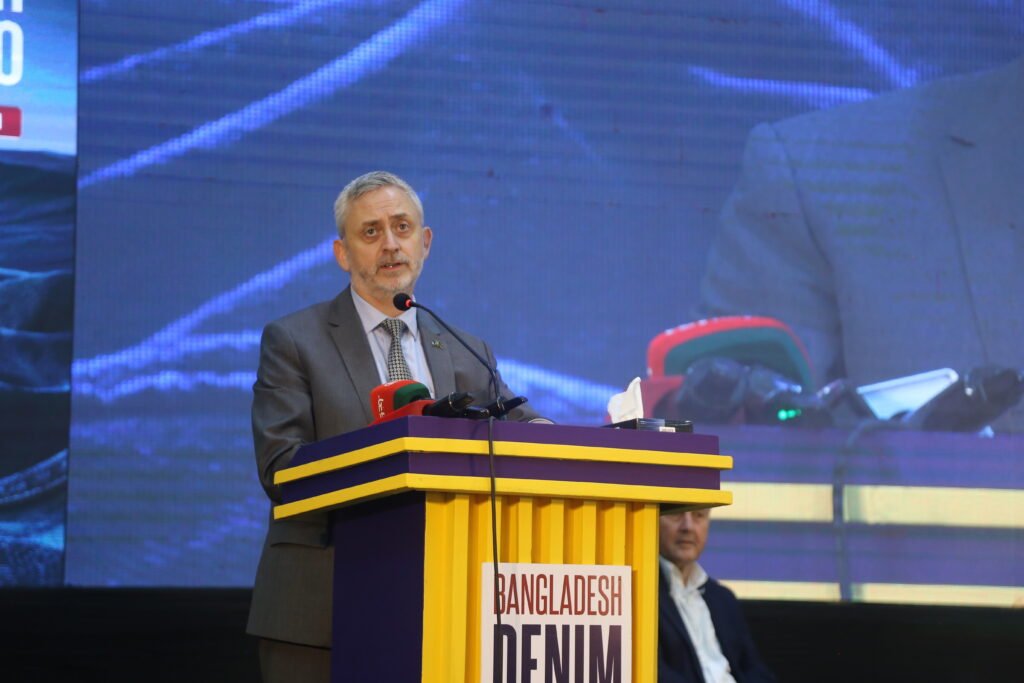
He further said that the European Union expects a sustainable and bold development-oriented budget that will ensure an investment-friendly environment and create a level playing field for European businesses. He also said that Prime Minister Tarique Rahman has been invited by the President of the European Commission to participate in the Global Gateway Summit to be held in Brussels. The EU is currently reviewing the issue of a Free Trade Agreement (FTA) based on the Bangladesh-EU Partnership and Cooperation Agreement.
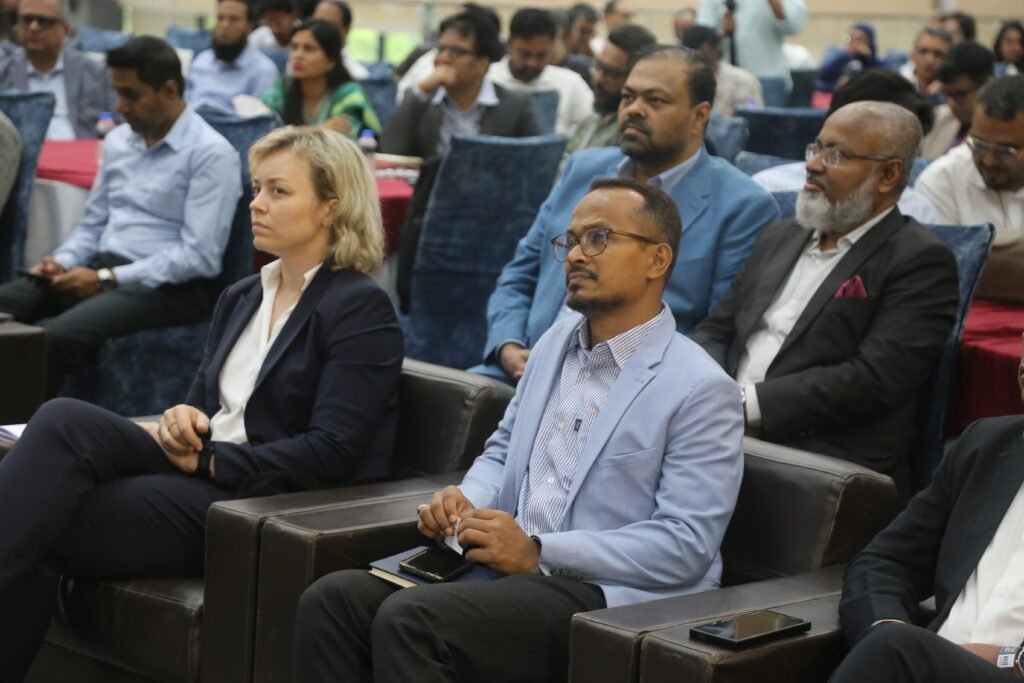
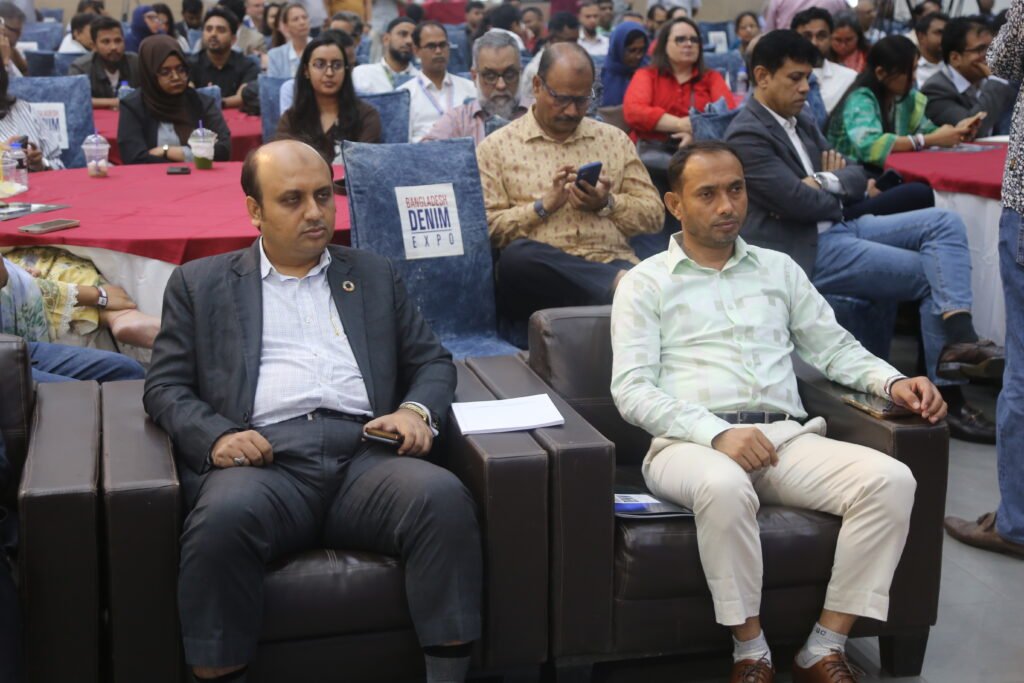
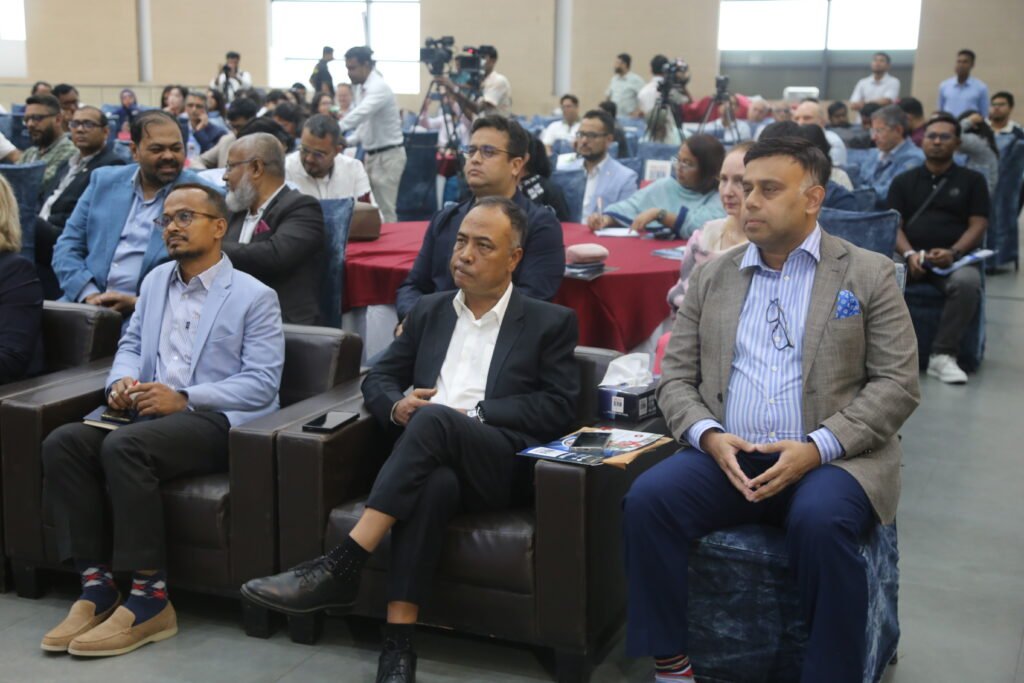
On the other hand, BGMEA President Mahmud Hasan Khan Babu highlighted Bangladesh’s strong position in the global denim market. He said that currently, Bangladesh is ahead of China in denim exports to the European Union and the United States markets, which is a major achievement of Bangladesh’s industrial capacity.
He warned that after the LDC transition, the existing trade benefits will change, which may affect the ready-made garment sector. Therefore, it is important to prepare now. According to him, it will be difficult for this industry to maintain its competitive position without increasing value addition, sustainable development, innovation and policy cooperation.
He also said that this challenge cannot be faced by any party alone. Brands, buyers, governments and development partners must move forward through an integrated partnership—where everyone will not just act as observers, but as active partners.
Participants expressed optimism about the possibility of Bangladesh’s future industrial transformation, increasing competitiveness in the global market and moving towards a sustainable production system.