Editor, Engr. Md. Shajibul-Al-Rajib:
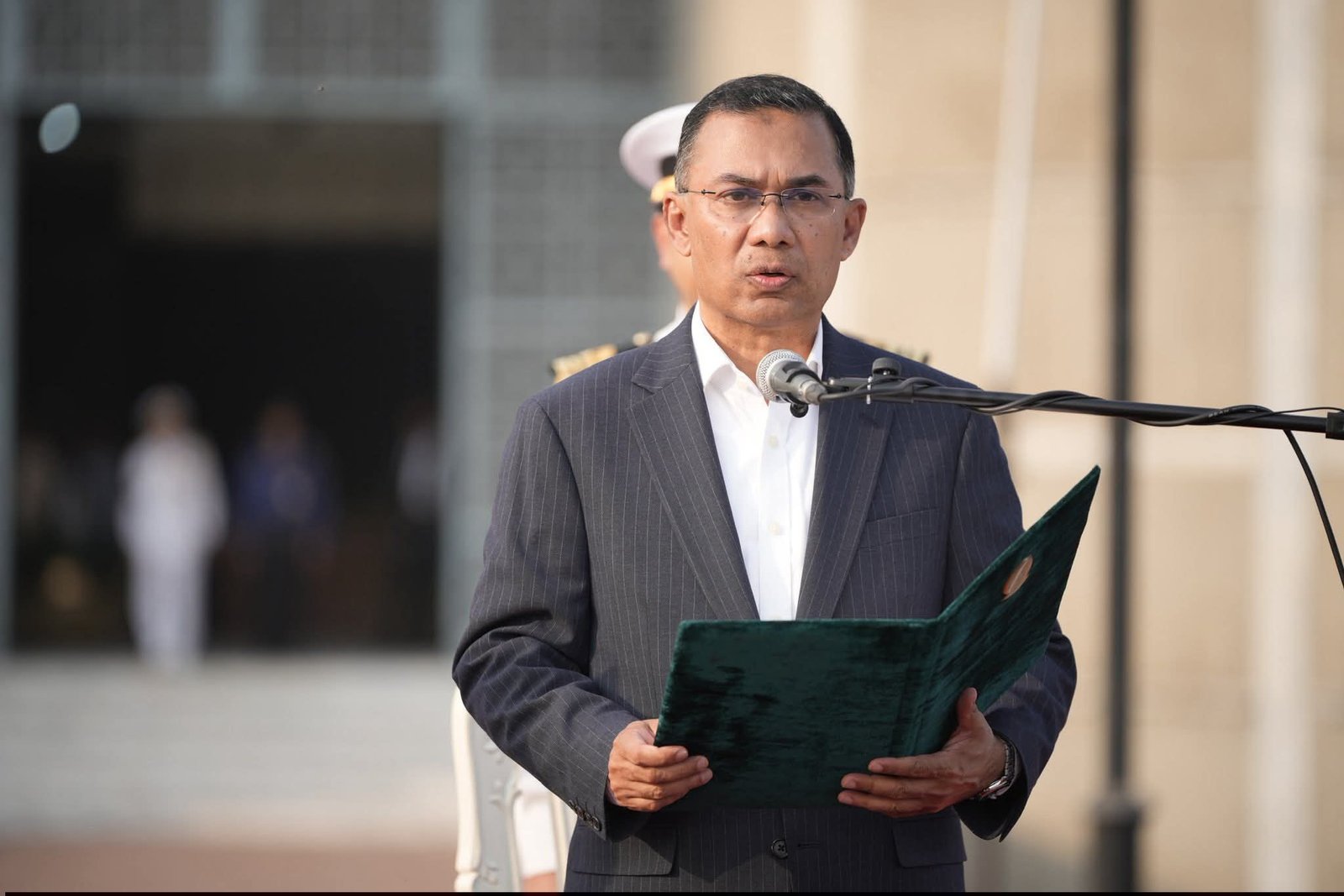
After nearly 15 years of authoritarian rule, Bangladesh has embarked once again on a renewed democratic journey. In the 13th National Parliamentary Election held on Thursday, 12 February 2026, the Bangladesh Nationalist Party (BNP) secured a landslide victory, winning 211 seats outright. With this overwhelming mandate, BNP Chairperson Tarique Rahman was sworn in as the Prime Minister of Bangladesh, marking a historic political comeback for the party.
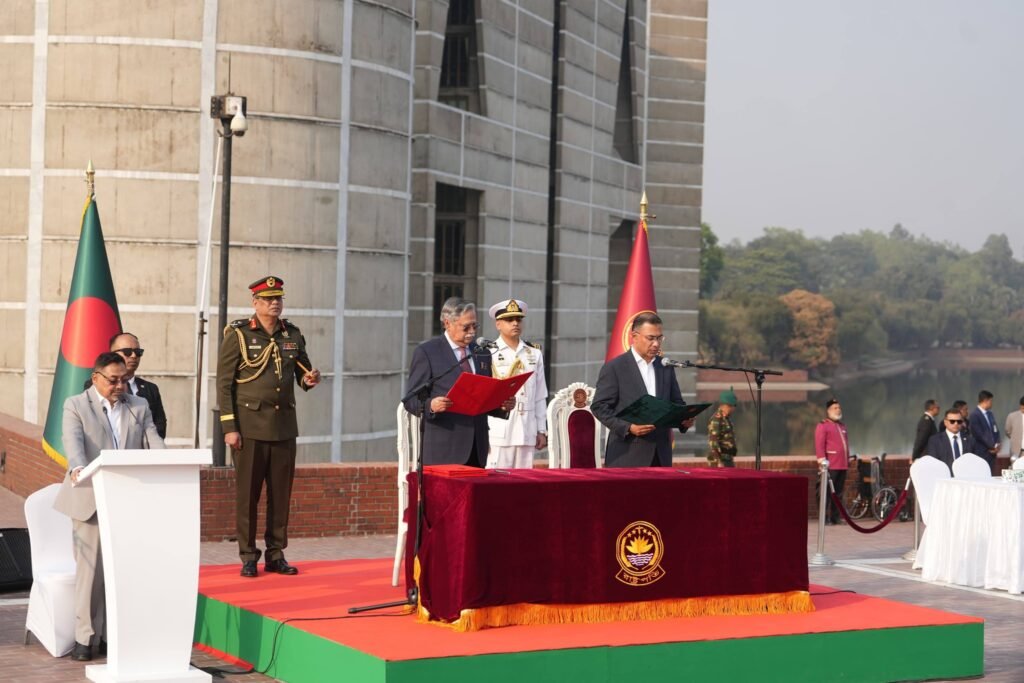
The election, held after a gap of 17 years under what observers described as a truly competitive environment, was conducted in a peaceful, festive, and participatory atmosphere. Voters across the country turned out enthusiastically, restoring public confidence in the electoral process after years of controversy surrounding previous polls. The European Union Election Observation Mission recognized the election as credible, transparent, and largely free of irregularities, stating that no significant evidence of fraud or vote manipulation was found.
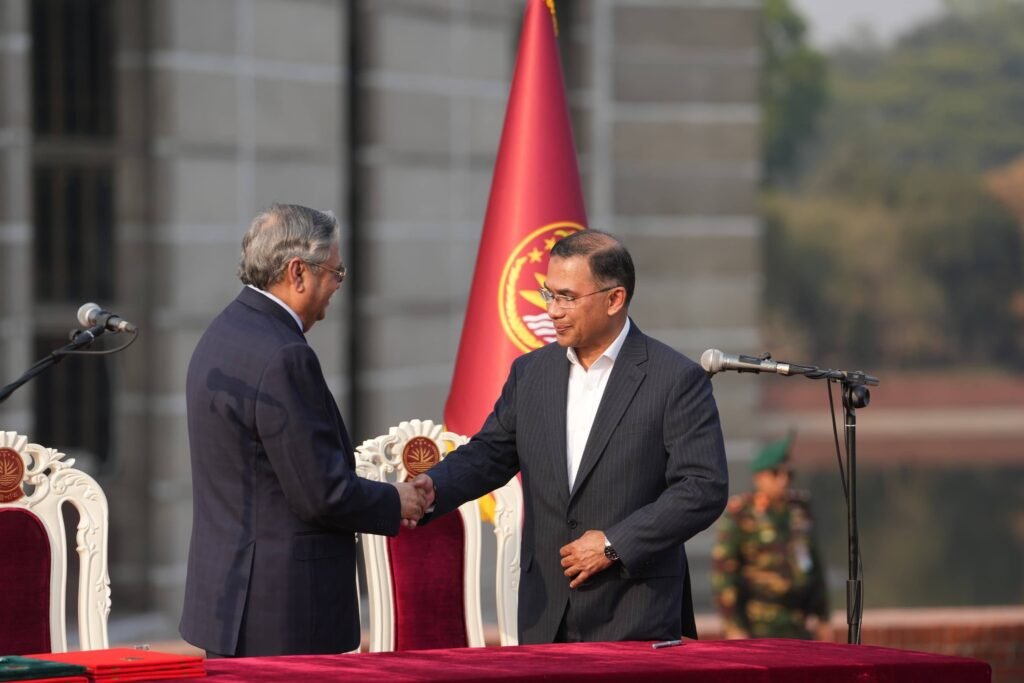
For many citizens, the 2026 election fulfilled a long-awaited aspiration for a genuinely representative government. During the tenure of the former Awami League administration led by Sheikh Hasina, public trust in elections had eroded amid allegations of restricted voting rights and diminished political competition. The latest polls, however, signaled a decisive shift in the nation’s political landscape.
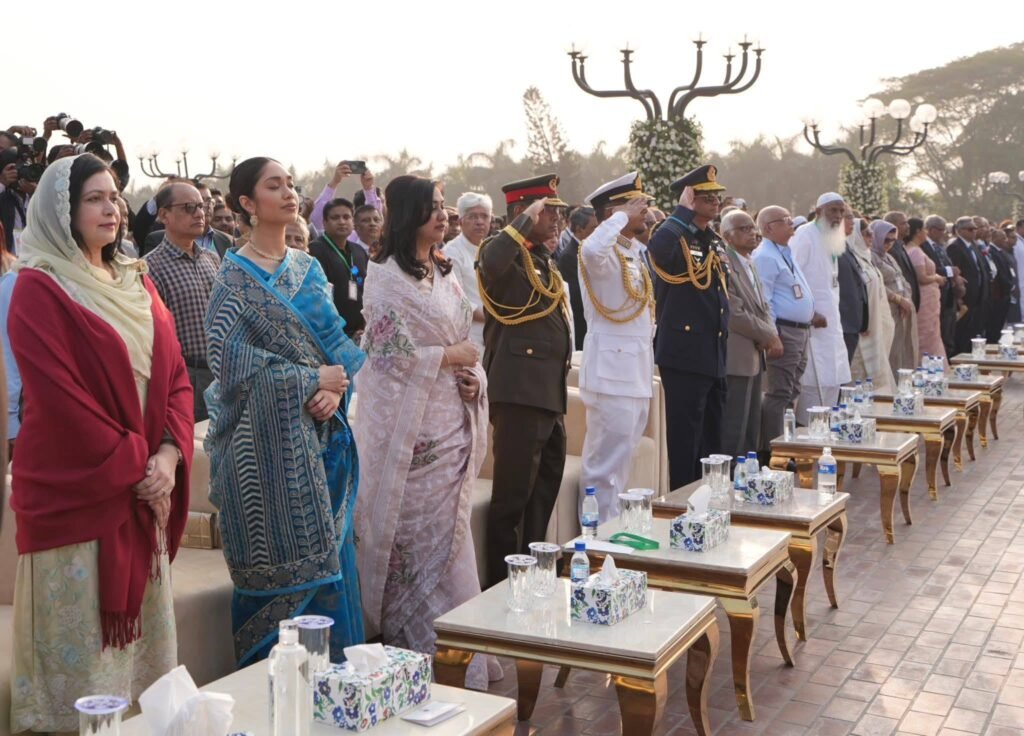
Tarique Rahman, son of Bangladesh’s founding military ruler-turned-President Ziaur Rahman and three-time Prime Minister Khaleda Zia, has now emerged as a central political figure in his own right. His path to premiership was far from smooth. After years of political turmoil, imprisonment, and a prolonged 17-year exile in London, he continued to lead his party from abroad, maintaining regular communication with party leaders and activists while advocating for the restoration of democratic rights in Bangladesh.
Rahman began his political journey in 1988 as a primary member of BNP in Gabtoli, Bogura—the birthplace of his father. Over the years, he steadily rose through party ranks, demonstrating organizational and strategic capabilities. In the 1991 general election, he played a coordinating role in the party’s national campaign strategy, contributing to the sweeping victories of BNP candidates. He again assumed a prominent role in the 2001 election campaign, where BNP secured nearly a two-thirds majority. In recognition of his contributions, he was appointed Senior Joint Secretary General of the party in 2002.
His political ascent, however, was interrupted by the military-backed caretaker government of 2007, commonly referred to as the “1/11” administration. During that period, Rahman faced arrest and legal proceedings, which his party described as politically motivated. Following reported health complications during detention, he left for the United Kingdom for medical treatment and remained in exile for over a decade. Despite his absence from the country, he continued to guide BNP’s political strategy and mobilize support against what he termed authoritarian governance.
In 2018, when Khaleda Zia was imprisoned following corruption charges, Rahman was appointed Acting Chairman of BNP. Supporters argue that his leadership during this period was instrumental in sustaining the party’s organizational strength and morale. The political climate shifted dramatically in 2024 amid widespread public protests that culminated in a mass uprising and a transition of power, paving the way for fresh national elections.
Rahman returned to Bangladesh on 25 December 2025 in a highly symbolic homecoming that drew massive public crowds. Just days after his return, the nation was struck by the death of his mother, Khaleda Zia. On 9 January 2026, he formally assumed the position of BNP Chairman, consolidating his leadership ahead of the national elections.
Campaigning on promises to restore democratic institutions, protect freedom of expression, ensure press freedom, and guarantee voting rights, Rahman pledged to lead Bangladesh out of political stagnation and governance crises. His message resonated strongly with voters, resulting in BNP’s decisive mandate in the February election.
With his swearing-in as Prime Minister, Bangladesh enters a new political chapter. Supporters view this transition as the restoration of electoral democracy and the beginning of a renewed democratic trajectory under Tarique Rahman’s leadership.